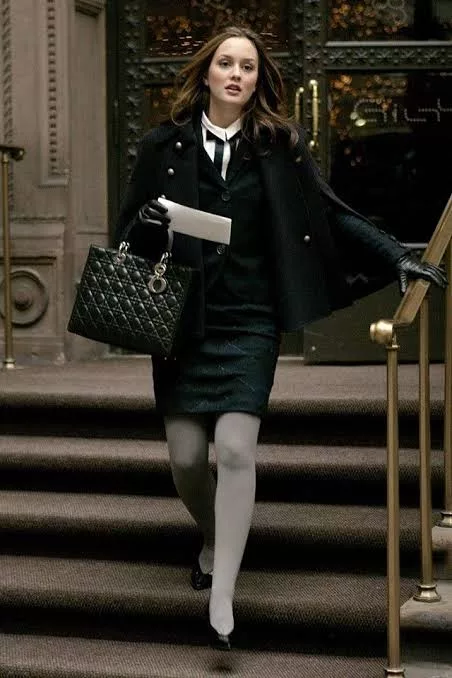
There is a reason why Blair Waldorf remains one of television’s most referenced fashion characters nearly two decades later. Her wardrobe was never simply about luxury or trend awareness. Blair dressed with intention. Every headband, coat, pair of tights and perfectly coordinated accessory reflected the way she wanted to be perceived by the world around her.
What made Blair’s style so compelling was the fact that fashion functioned almost like emotional structure for her character. She did not dress casually because very little in Blair’s life felt emotionally casual. Control, perfection and presentation shaped almost every aspect of her identity, and her wardrobe became an extension of that mindset.
In the earliest seasons of Gossip Girl, Blair’s style leaned heavily into polished Upper East Side prep school femininity.
Structured blazers, pleated skirts, fitted coats, bows, pearls and signature headbands created the image of someone who wanted everything around her to feel ordered and refined. Even her color palette often reflected that carefully curated energy. Rich jewel tones, deep reds, navy, cream and black reinforced sophistication and discipline rather than spontaneity.
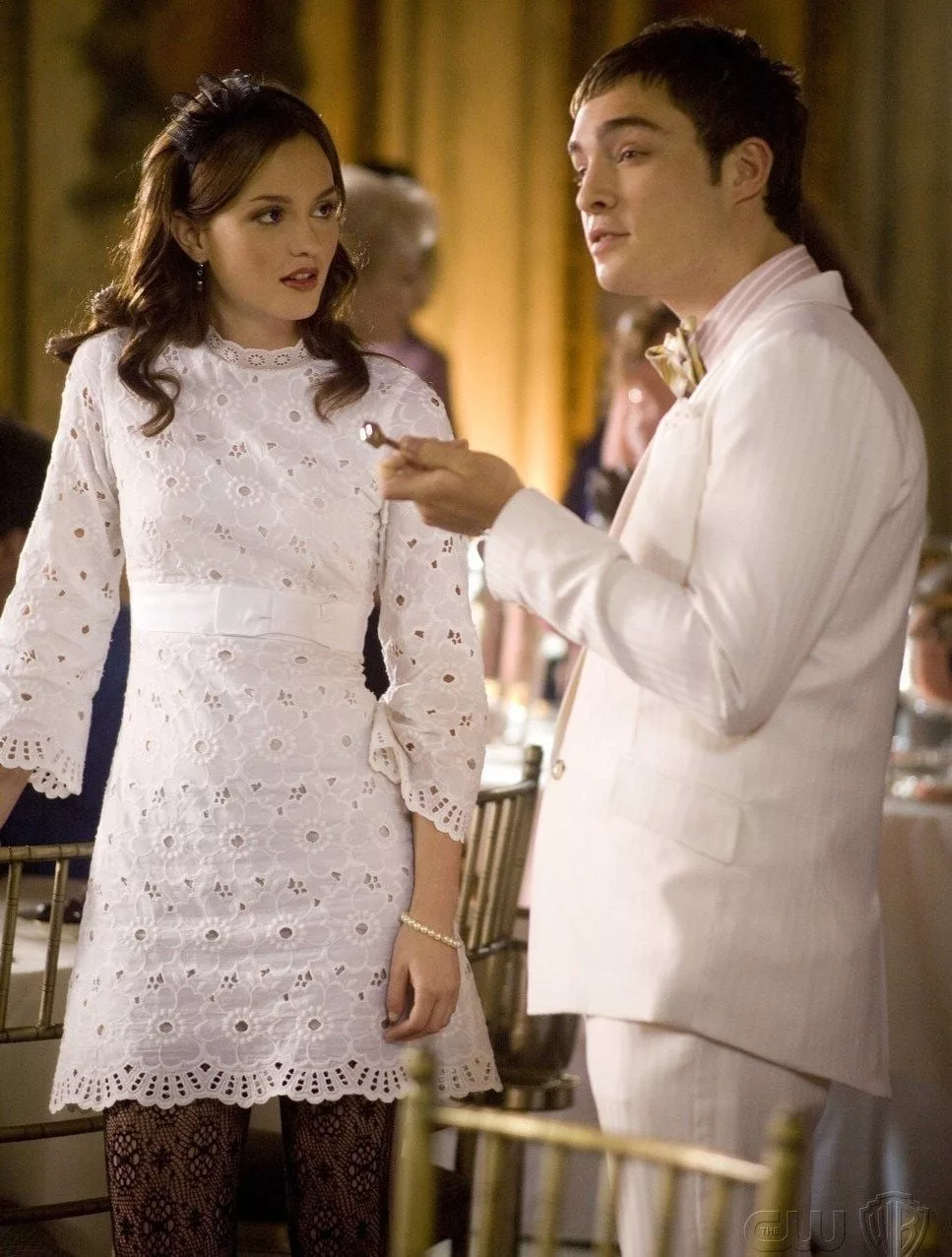
Psychologically, Blair’s wardrobe reflected someone deeply invested in maintaining control over how others perceived her. Fashion became part performance, part protection. Looking polished gave her authority. Looking perfect gave her reassurance. In many ways, Blair dressed not only for admiration, but for emotional security.
That is what made her style feel so different from other fashionable television characters of the era. Blair was not trying to look effortless. She wanted people to see the effort. She wanted fashion to communicate intelligence, ambition, social status and self discipline.
Her style also revealed her obsession with tradition and old world glamour. Throughout the series, Blair constantly referenced classic femininity. Audrey Hepburn inspired silhouettes, ladylike handbags, couture influenced dresses and vintage elegance all reflected the way Blair romanticized life itself. She did not simply want to be fashionable. She wanted her life to feel cinematic, elegant and timeless.
Interestingly, Blair’s wardrobe subtly changes whenever her emotional state changes.
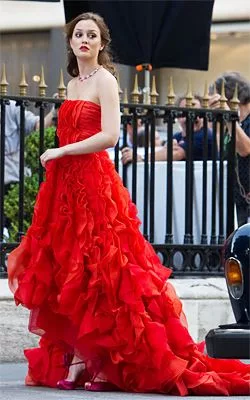
During periods where she feels insecure or threatened, her outfits become more rigid and highly coordinated. The styling feels almost hyper controlled. But in moments where she becomes more emotionally vulnerable or self assured, her fashion softens slightly. The silhouettes become more mature, the styling less theatrical and the overall aesthetic more refined.
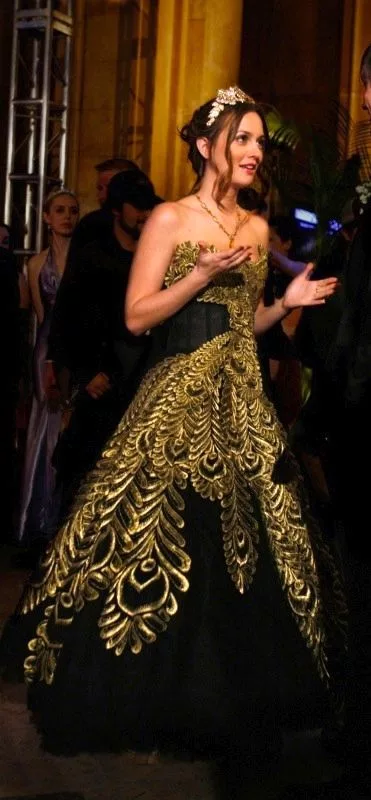
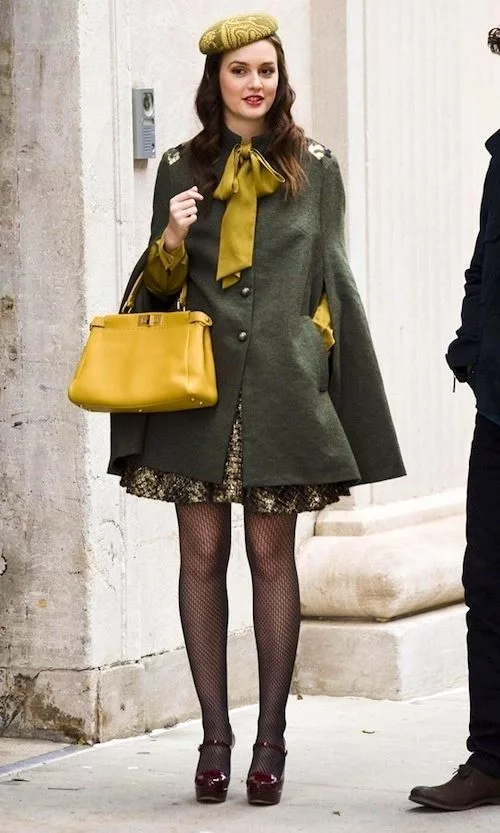
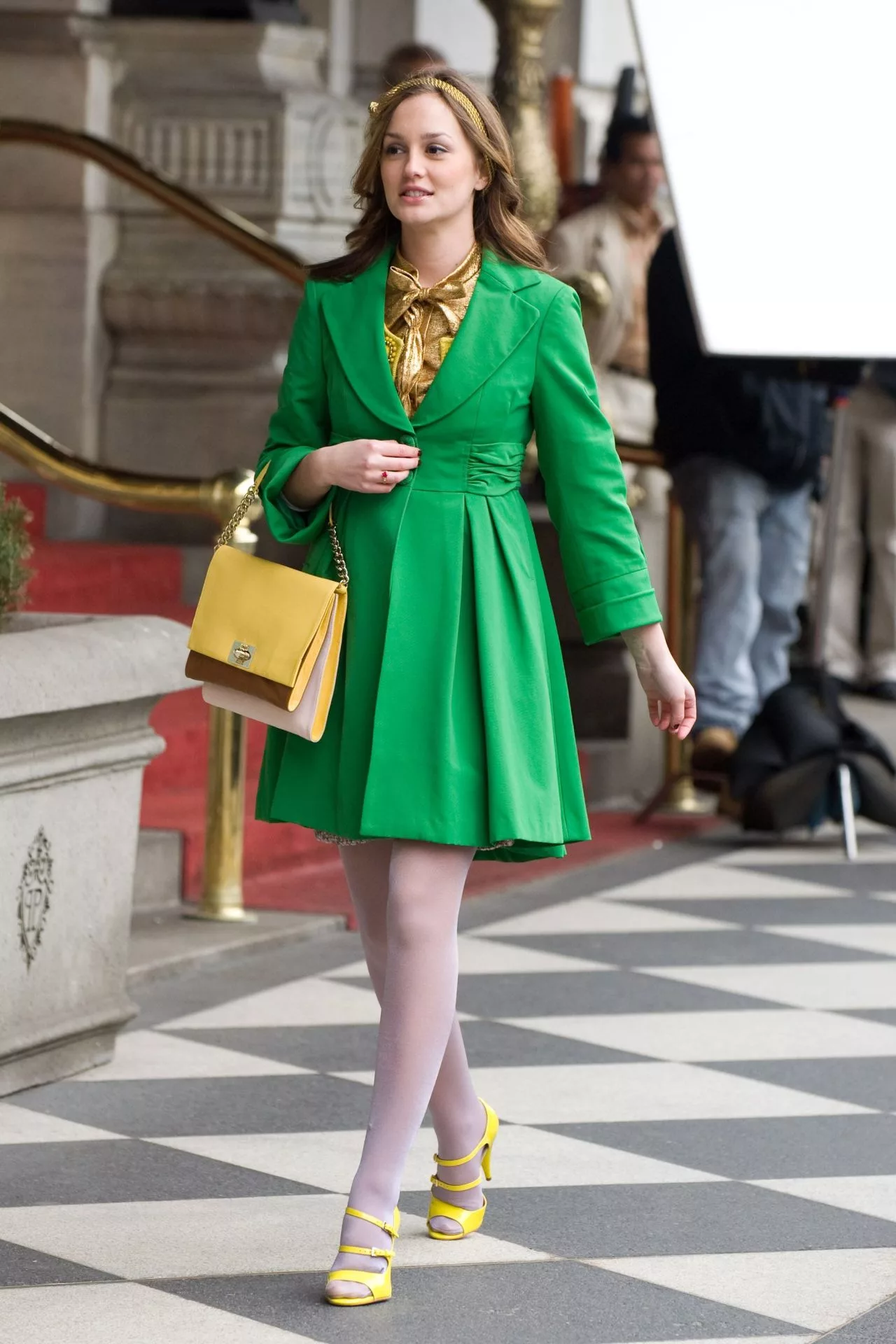
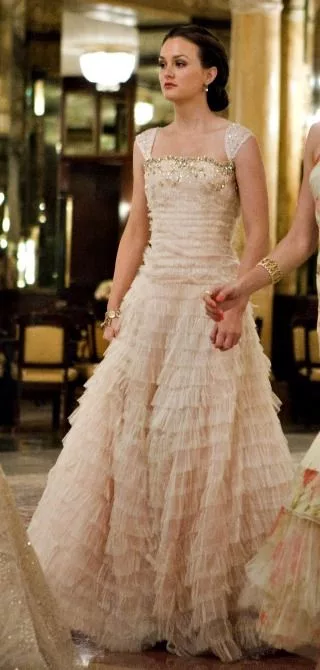
By the later seasons, Blair’s wardrobe evolves from ambitious prep school perfection into something far more sophisticated.
The overly youthful styling begins to disappear, replaced by richer fabrics, cleaner tailoring and silhouettes that feel more aligned with adult elegance rather than teenage performance. She still dresses with precision, but the precision feels quieter.
That evolution mirrors Blair’s psychological growth throughout the show. Early Blair dresses to prove herself. Later Blair dresses because she already knows who she is.
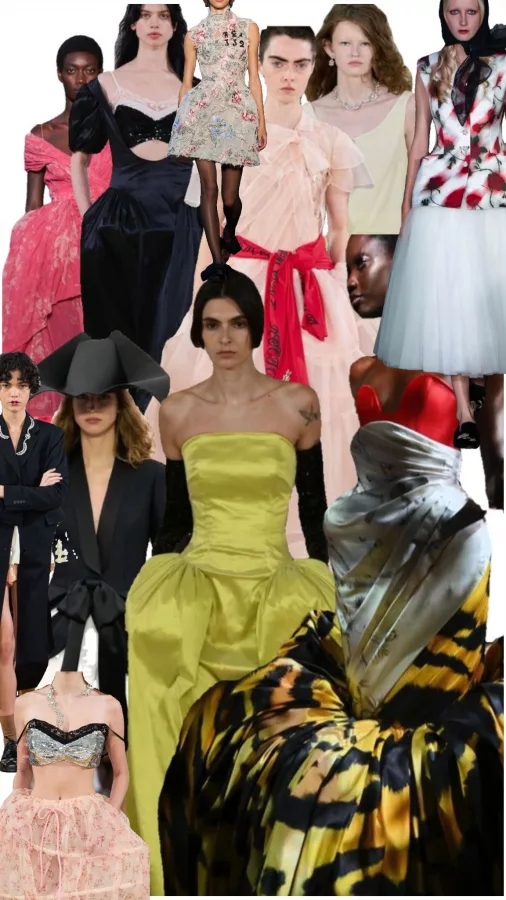
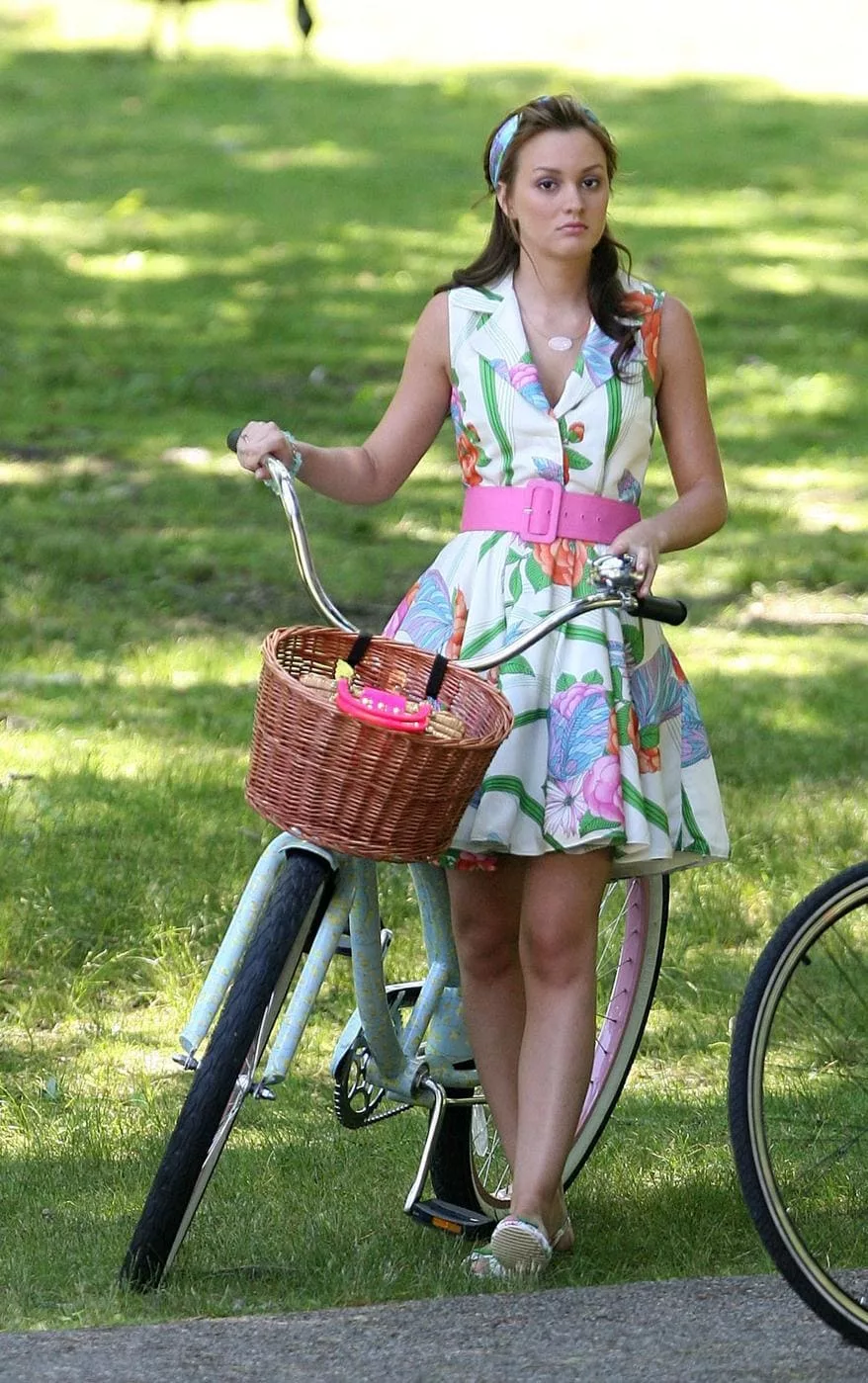
What also makes Blair’s style feel surprisingly relevant in 2026 is the return of fashion aesthetics centered around polish, femininity and intentional dressing. The popularity of quiet luxury, old money fashion and hyper feminine styling all carry traces of Blair Waldorf’s influence. Her wardrobe understood something fashion audiences continue to gravitate toward today: clothing can create emotional structure.
Blair Waldorf’s style was never truly about trends.
It was about identity management, aspiration and the desire to feel powerful through presentation. That is why her fashion still resonates years later. Beneath the designer coats and perfectly placed headbands was a character using style to construct the version of herself she most wanted the world to believe in.
By Jelena Kulic
Jelena is on Instagram.