Edward Enninful is taking visitors back to the 1990s with a major exhibition at Tate Britain exploring the decade that transformed British art, fashion and popular culture. Running until 14 February 2027, The 90s: Art and Fashion brings together more than 100 works by nearly 70 artists, photographers and designers whose creative approaches helped reshape Britain’s cultural identity.
Curated by the former British Vogue editor alongside Tate’s curatorial team, the exhibition examines a period when fashion, music, nightlife and contemporary art became increasingly connected. From grunge and rave culture to the rise of the Young British Artists, it revisits the experimentation that continues to influence fashion and visual culture today.
For Enninful, the exhibition is particularly personal. Having become fashion director of i-D magazine at just 18, he was part of the generation that challenged established ideas about fashion, beauty and representation. His experience informs an exhibition that looks beyond the decade’s most familiar cultural figures to recognise the communities and creative movements behind them.
What To Expect At The Exhibition
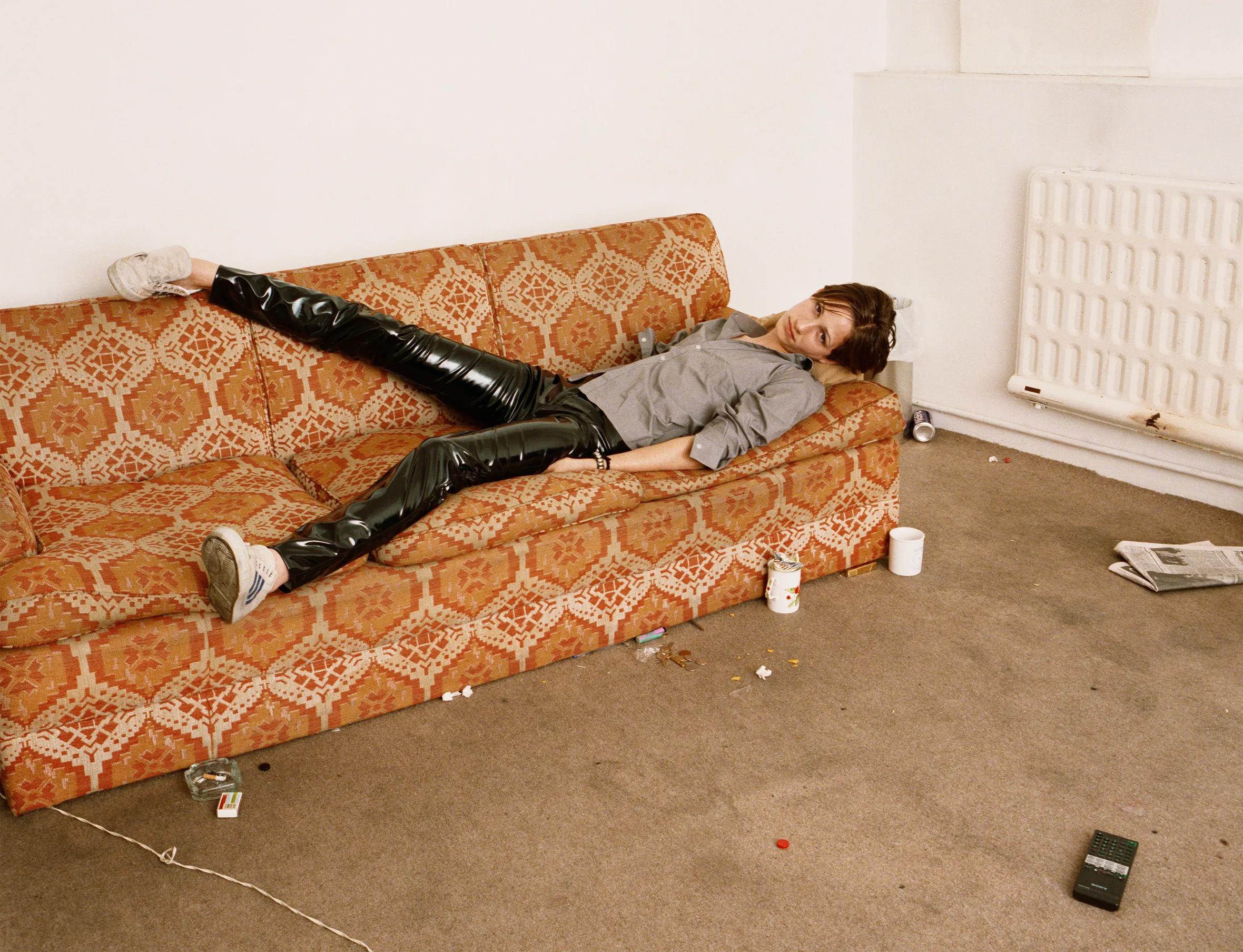
The exhibition explores the unpolished, documentary approach to photography that emerged during the early 1990s. Photographers including Corinne Day, Juergen Teller and Nigel Shafran challenged the glamour associated with the previous decade, favouring intimate portraits, natural lighting and everyday settings.
Day’s England’s Dreaming, photographed for The Face in August 1993, captures the emerging aesthetic. Alongside publications such as i-D and Dazed & Confused, these images helped establish a new visual language that brought youth culture and alternative fashion into the mainstream.
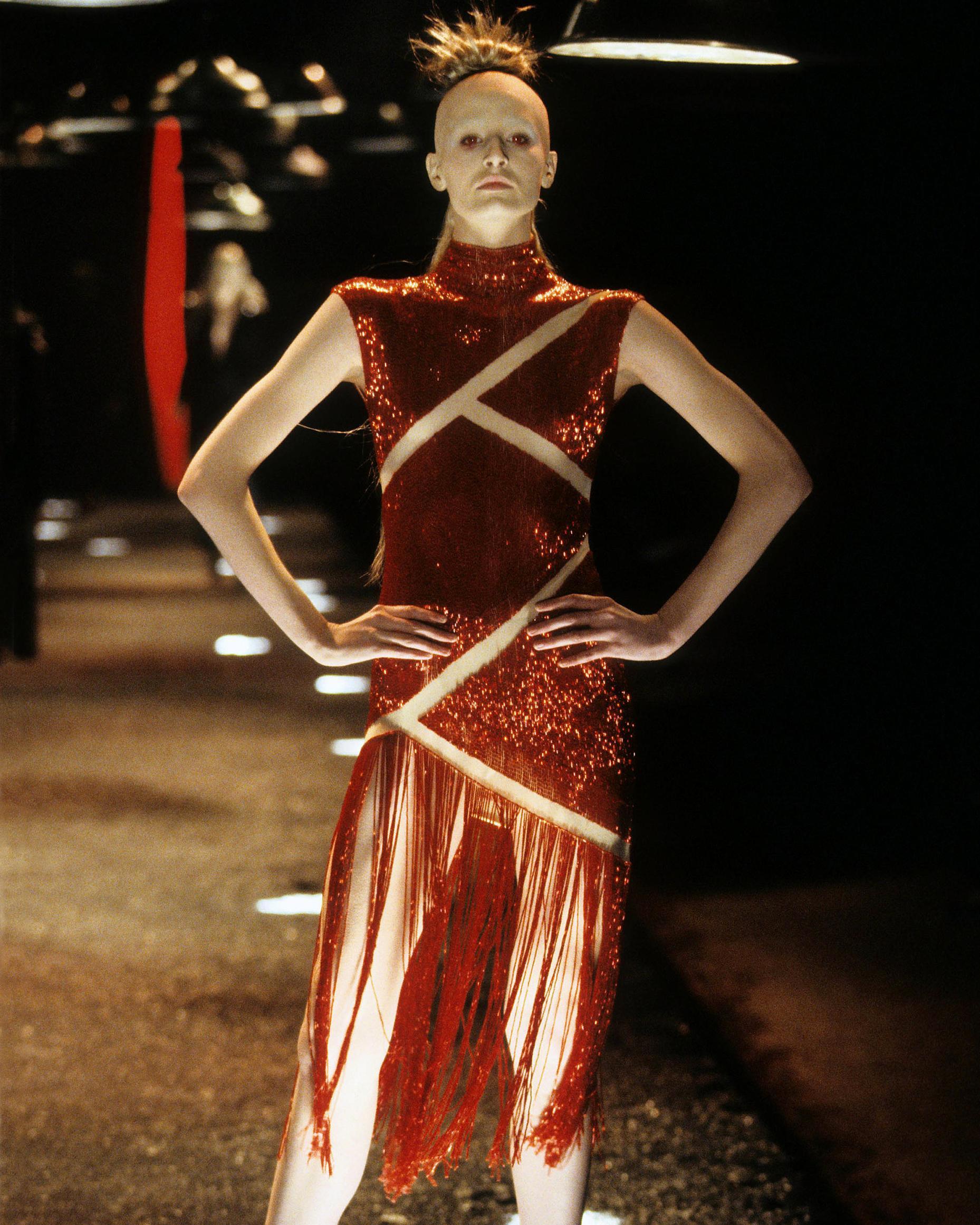
Fashion design was undergoing its own transformation. Alexander McQueen’s provocative collections combined traditional craftsmanship with theatrical presentations, while Vivienne Westwood and John Galliano drew on historical references to challenge established ideas about clothing and identity.
Among the exhibition’s highlights is McQueen’s Autumn/Winter 1998 Joan collection, whose dramatic designs demonstrate how fashion was becoming a form of artistic expression in its own right.
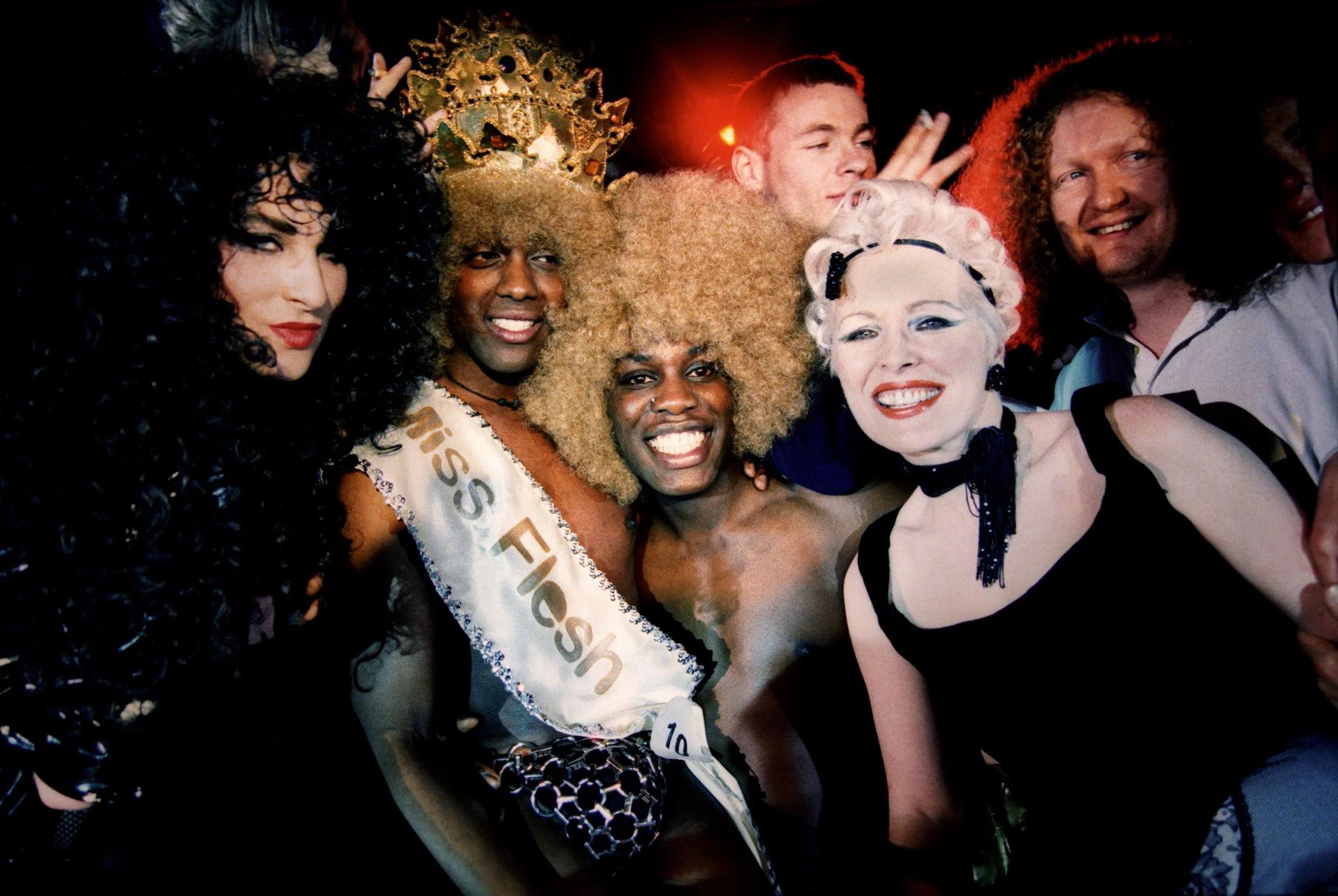
Music and nightlife are equally important to the exhibition. Across Britain, clubs became spaces where fashion, art and music developed through closely connected creative communities. Acid house, jungle and drum and bass influenced how a generation dressed and expressed itself.
Manchester’s legendary Haçienda features through the photography of Jon Shard, who documented Flesh, the club’s influential LGBTQ+ night. His images capture the freedom and self-expression of a scene that helped shape the decade’s nightlife culture.
The exhibition also examines the rise of the Young British Artists, including Damien Hirst, Sarah Lucas and Tracey Emin. Their work challenged conventional ideas about what art could be, often drawing on personal experience, popular culture and social issues.
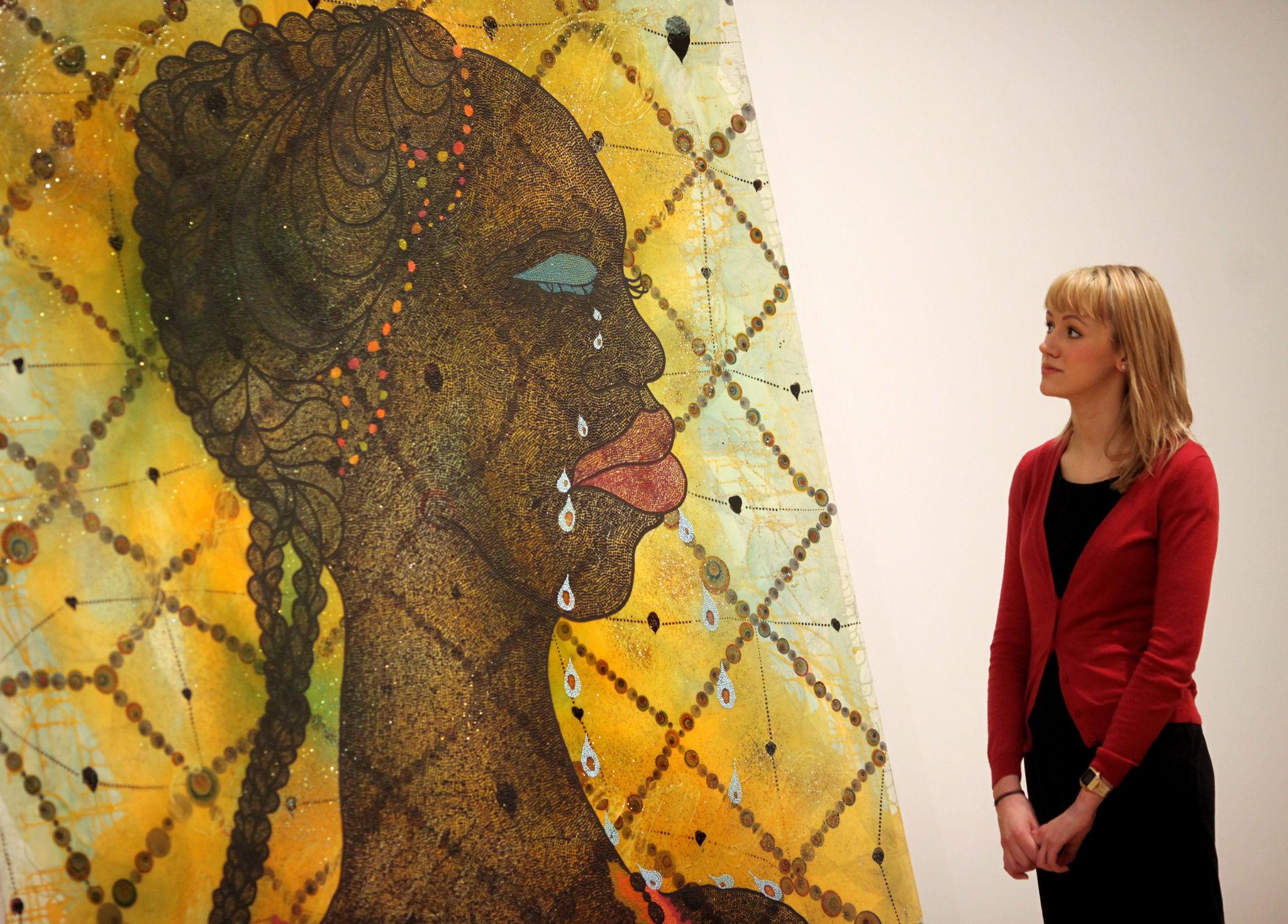
Chris Ofili’s No Woman, No Cry (1998) provides one of the exhibition’s most significant moments. The painting pays tribute to Doreen Lawrence and her son Stephen, who was murdered in a racist attack in 1993. It reflects the political realities that existed alongside the optimism often associated with the decade.
Questions of race, identity and representation run throughout the exhibition. Artists including Yinka Shonibare and Maud Sulter reconsidered Britain’s relationship with history and cultural identity, while designers such as Ozwald Boateng and Joe Casely-Hayford challenged the boundaries of British fashion.
Black British creativity is central to Enninful’s interpretation of the decade. Photography by Roshini Kempadoo, Koto Bolofo and Eileen Perrier offers perspectives that extend beyond the familiar images of supermodels, celebrities and the Cool Britannia movement.
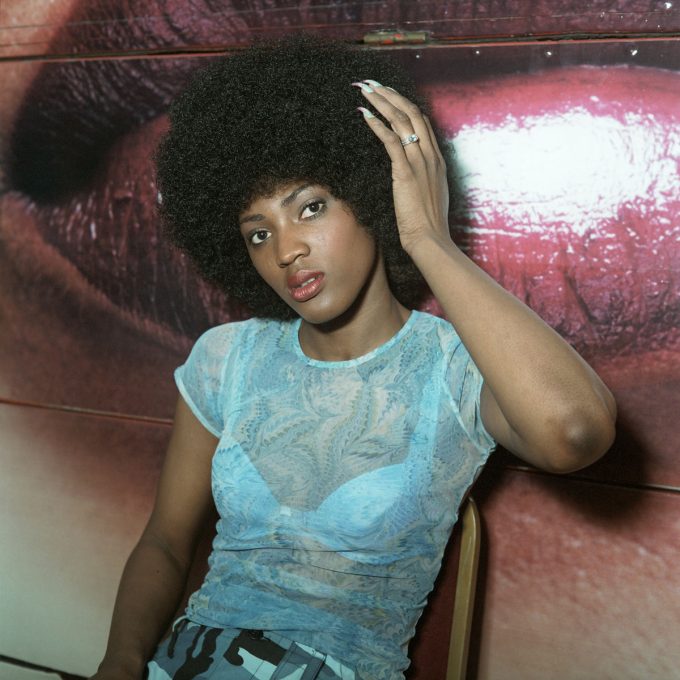
Among the works featured is Perrier’s Untitled, Afro Hair and Beauty Show (1998). Photographed at London’s Afro Hair and Beauty Show, the portrait captures an expression of personal style and Black British beauty culture. The image also appears on a special cover edition of the exhibition catalogue.
By bringing these different creative voices together, the exhibition offers a broader understanding of the 1990s. Rather than presenting the decade solely through its most celebrated figures, it considers how fashion, art and popular culture challenged existing hierarchies and created new opportunities for expression.
When And Where To Visit
The 90s: Art and Fashion is showing at Tate Britain, Millbank, London SW1P 4RG, from 8 October 2026 until 14 February 2027.
The gallery is open daily from 10am to 6pm. Standard exhibition tickets cost £22, with concessions available. Tate Members receive free entry, while eligible Tate Collective members aged 16 to 25 can book tickets for £5.
For tickets and visitor information, visit the official Tate Britain exhibition page.
For anyone interested in the relationship between fashion and art, The 90s: Art and Fashion offers an opportunity to revisit the creative figures and cultural movements that changed how Britain dressed, photographed and represented itself.