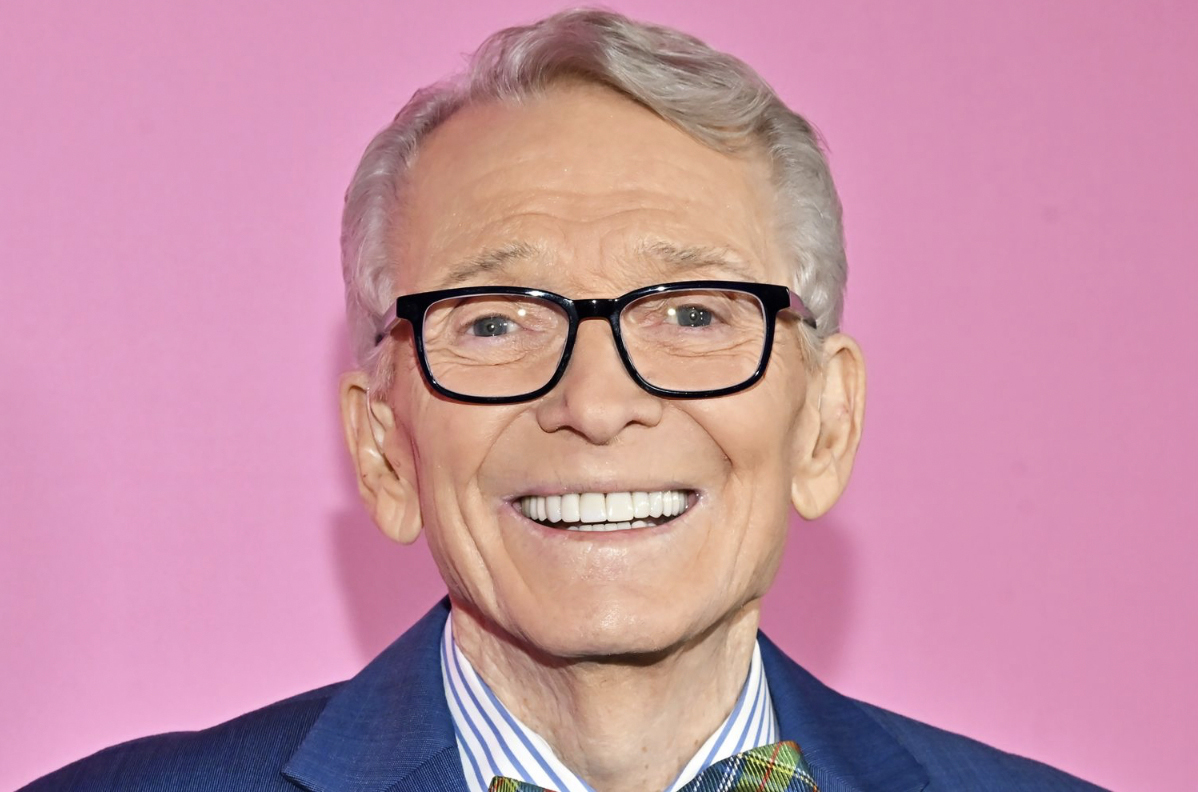
Bob Mackie spent more than six decades creating clothes for some of entertainment’s biggest performers. From Cher and Tina Turner to Carol Burnett and Mitzi Gaynor, his work helped establish the idea of fashion as part of the performance itself.
Mackie, who died on 14 September aged 87, became known for extravagant costumes built around sequins, feathers, beading and dramatic silhouettes. His work moved between fashion, television, film and live performance, creating some of the most recognisable celebrity looks of the past six decades.

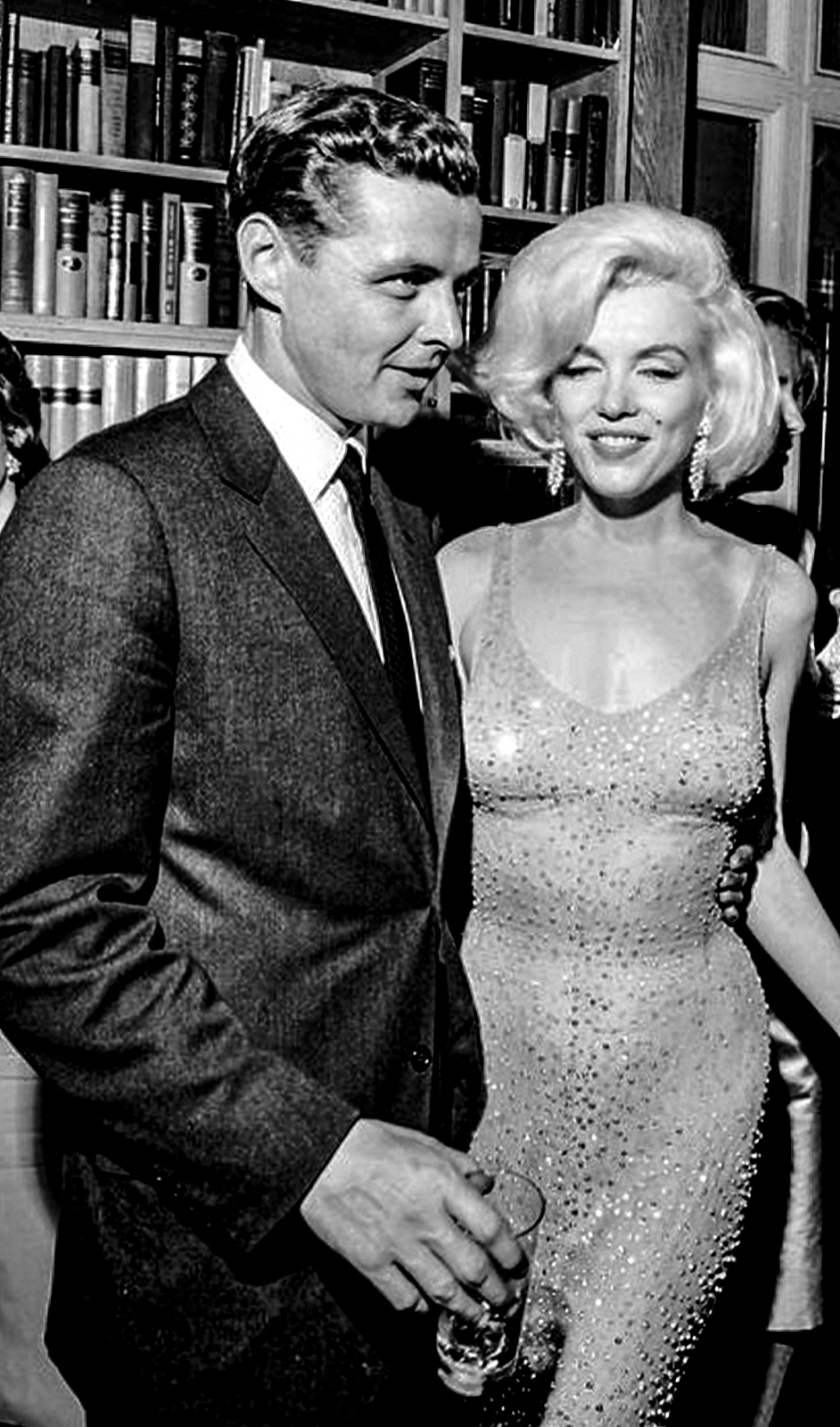
Known as the “Sultan of Sequins”, Mackie began his career as a sketch artist, working with costume designers including Edith Head and Jean Louis. While working for Jean Louis, he drew the original sketch for the gown Marilyn Monroe wore to sing “Happy Birthday” to President John F. Kennedy in 1962.
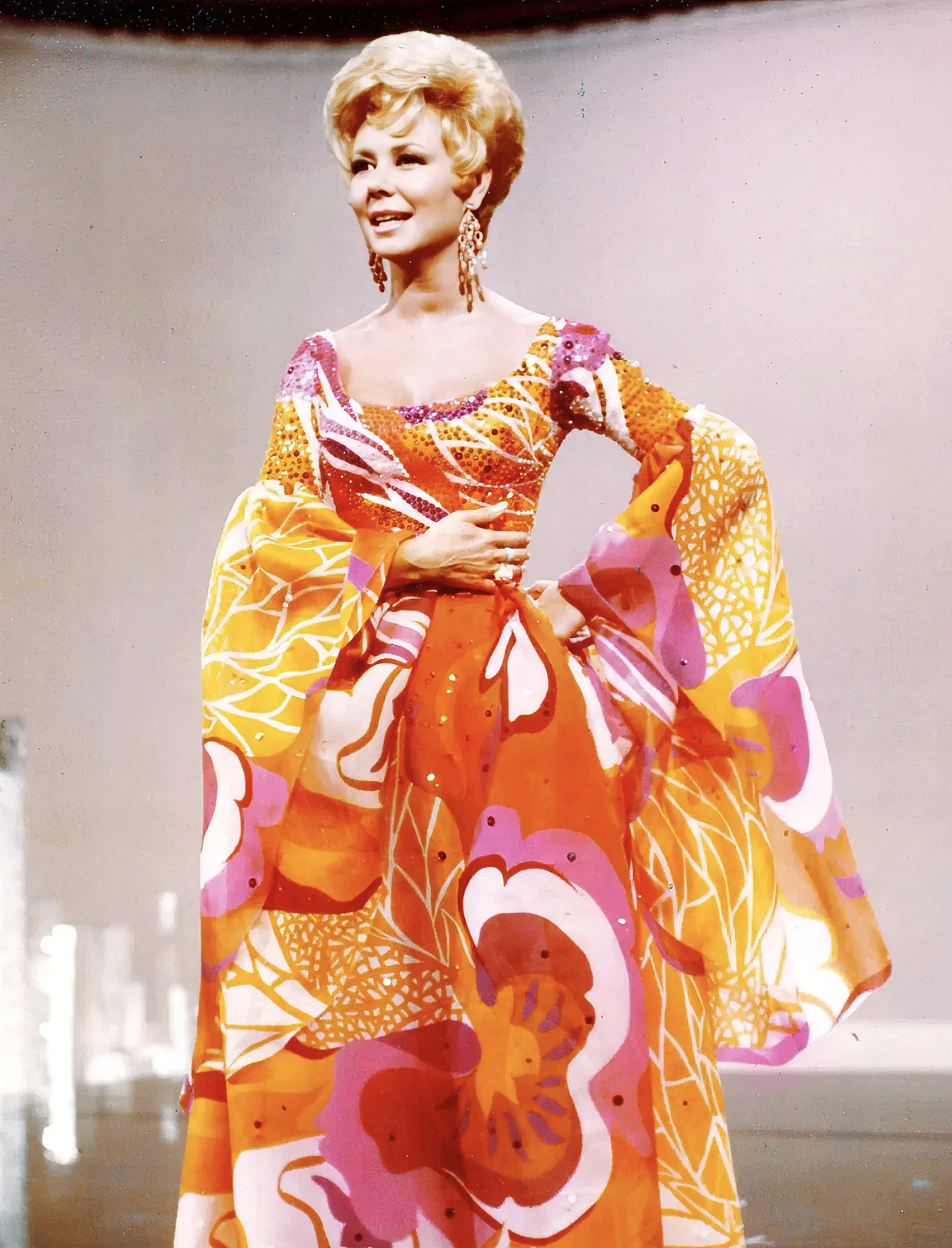
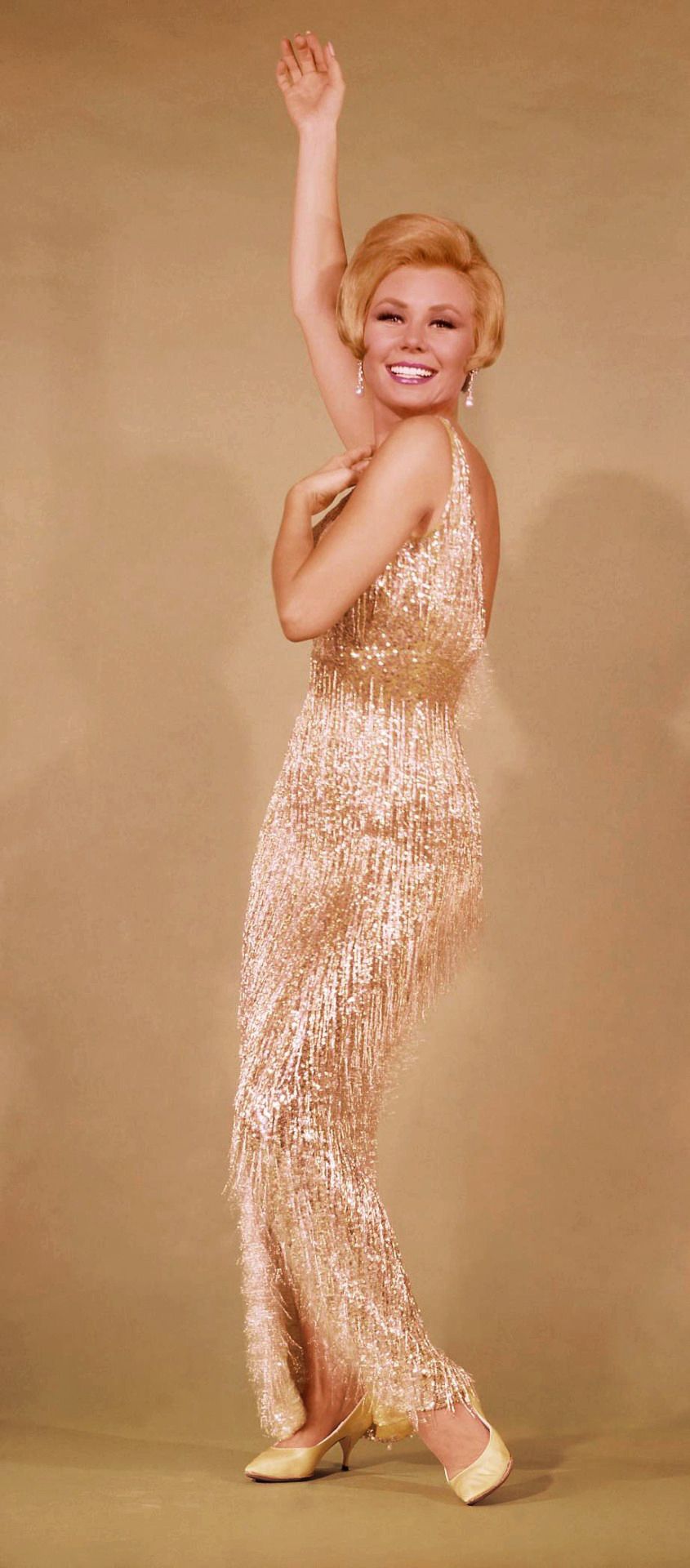
Mitzi Gaynor became one of Mackie’s first major clients when she hired him to design for her Las Vegas show in the 1960s. Their collaboration continued through Gaynor’s television specials and helped establish the combination of glamour, movement and performance that became central to Mackie’s work.
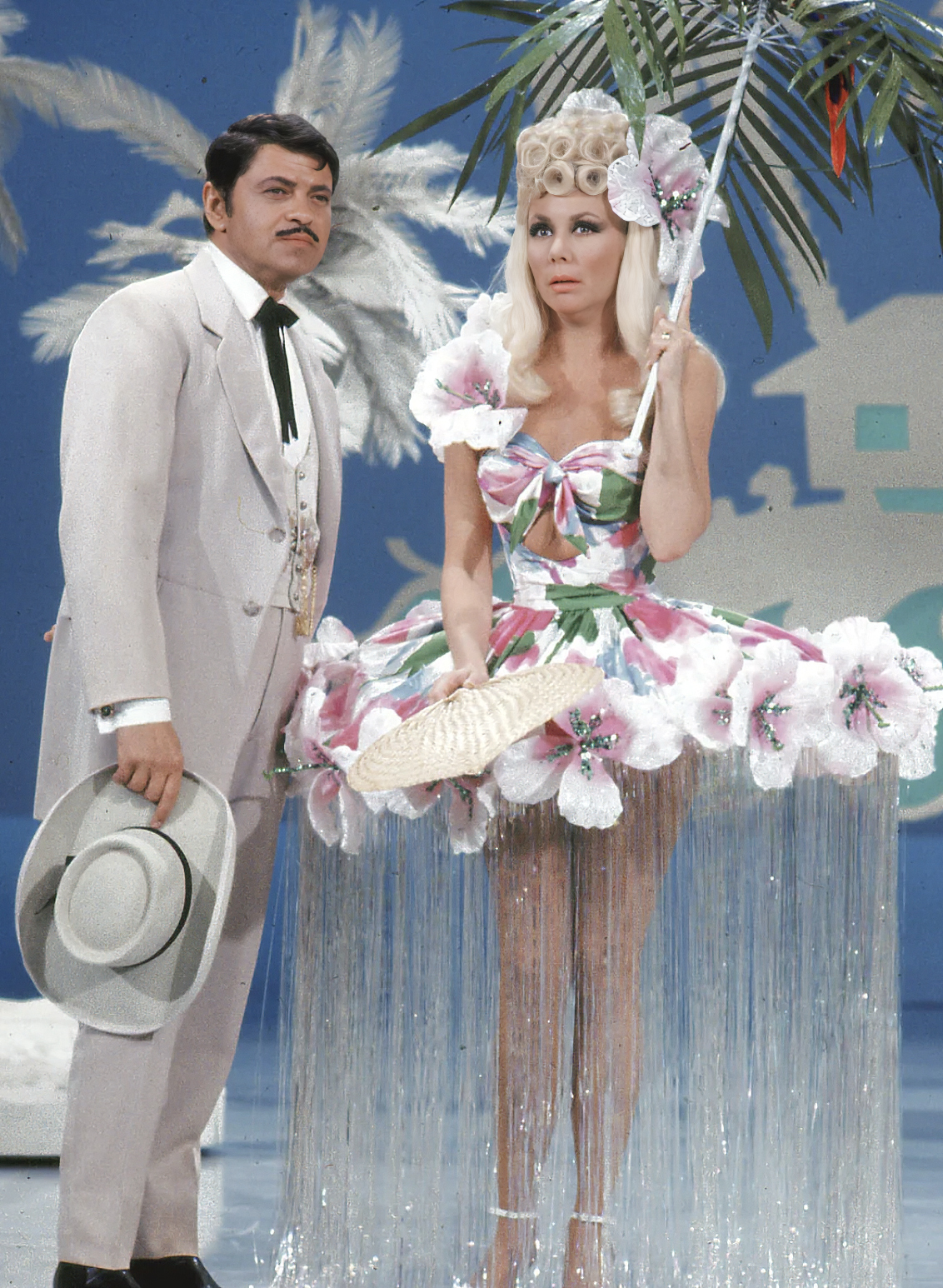
Television became another defining part of his career. Mackie designed the wardrobe for The Carol Burnett Show throughout its 11-year run, using costume for both glamour and comedy. His designs could transform a performer into a character or become part of the joke itself, most famously with Burnett’s curtain dress for the show’s Gone With the Wind parody.
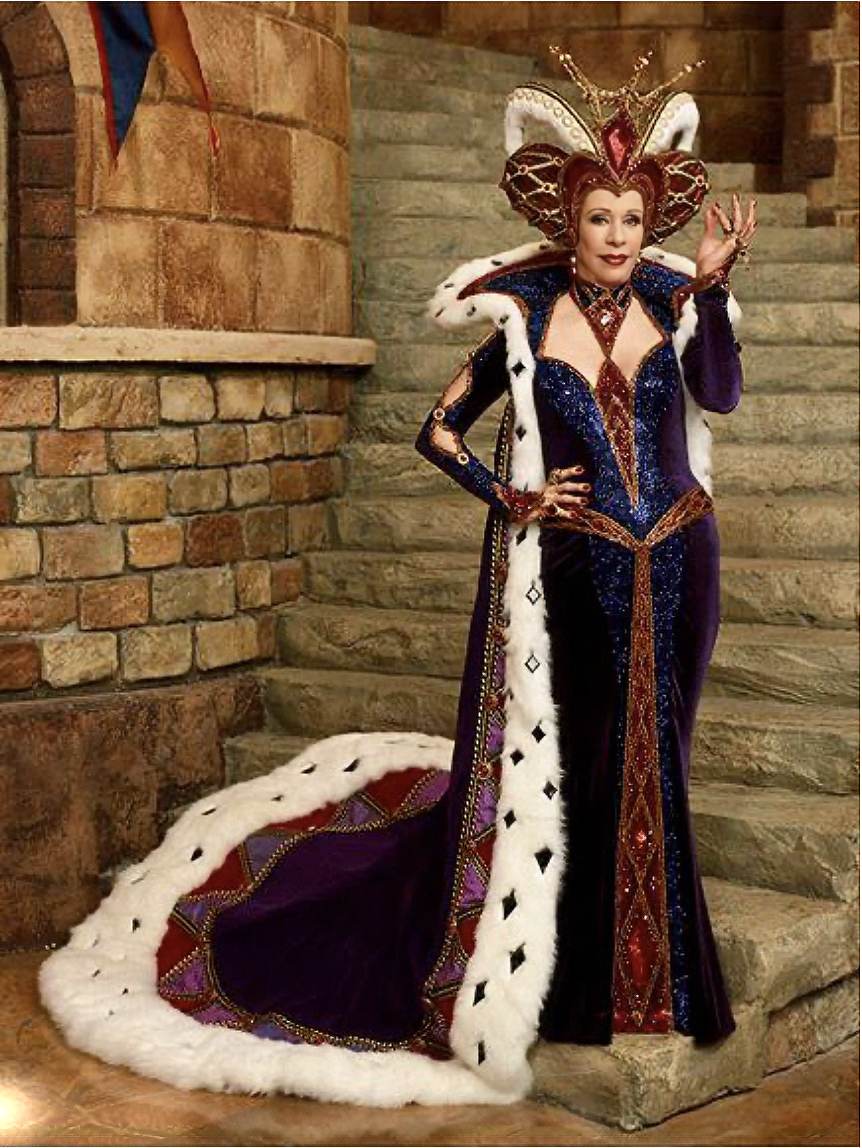
Cher and Bob Mackie
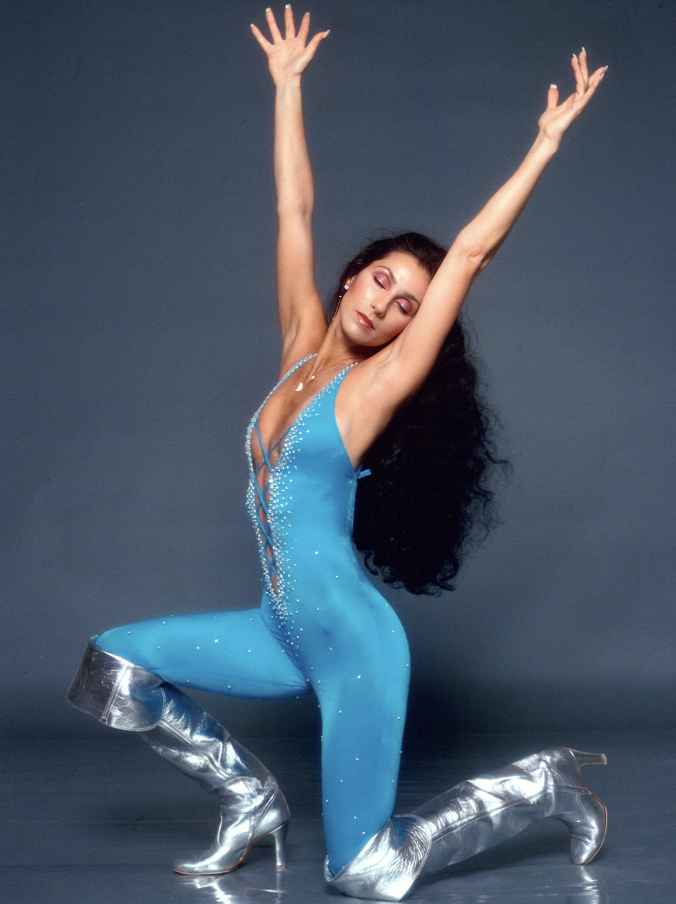
It was Mackie’s partnership with Cher that produced some of his most recognisable work. The pair first crossed paths through The Carol Burnett Show, before Mackie went on to create costumes for Cher across television, concerts and major public appearances.
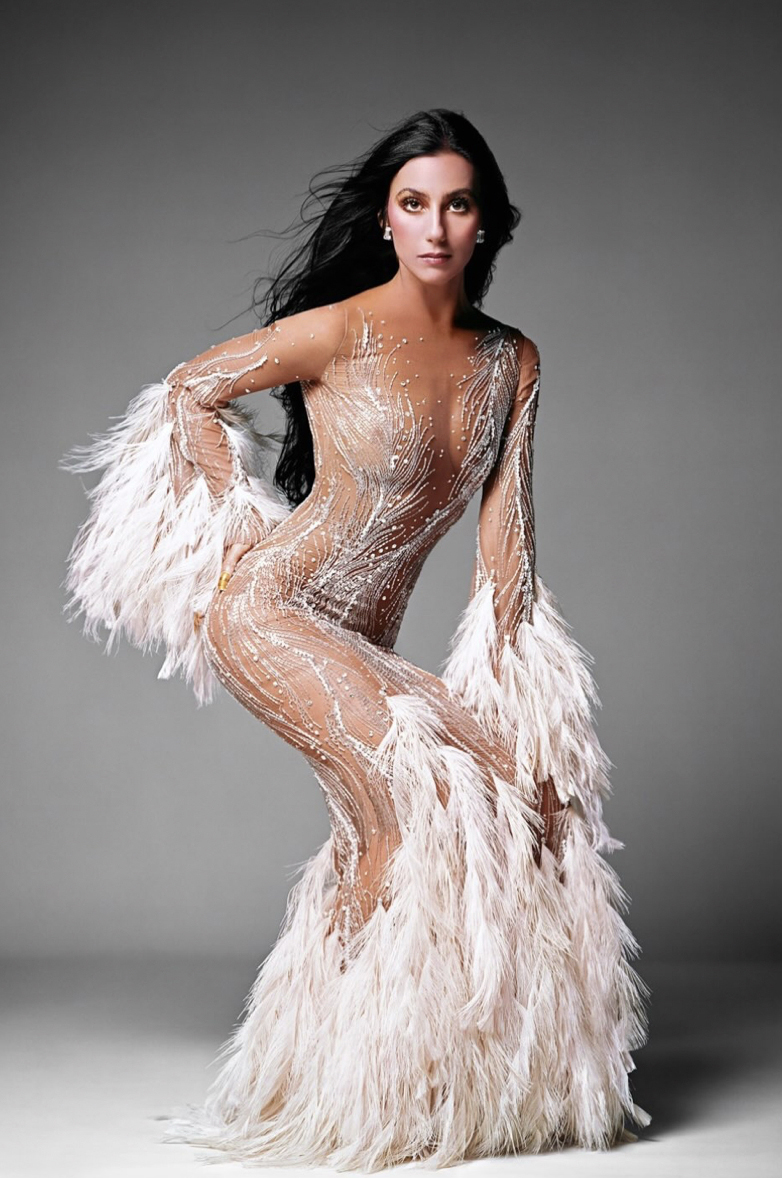
Their work together established a visual language based on elaborate beading, sheer fabrics, feathers and dramatic silhouettes. Rather than separating costume from performance, Mackie used clothing to strengthen the image Cher presented on stage and screen.
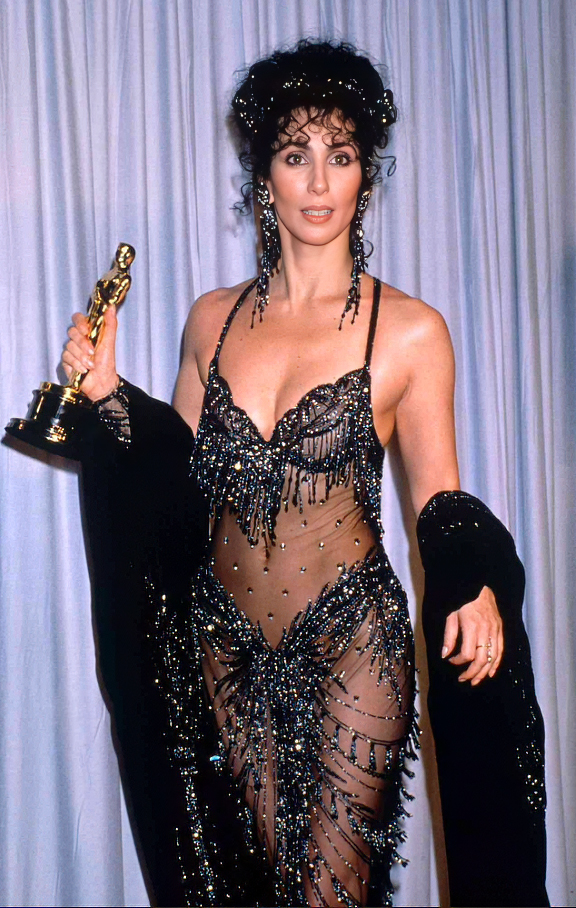
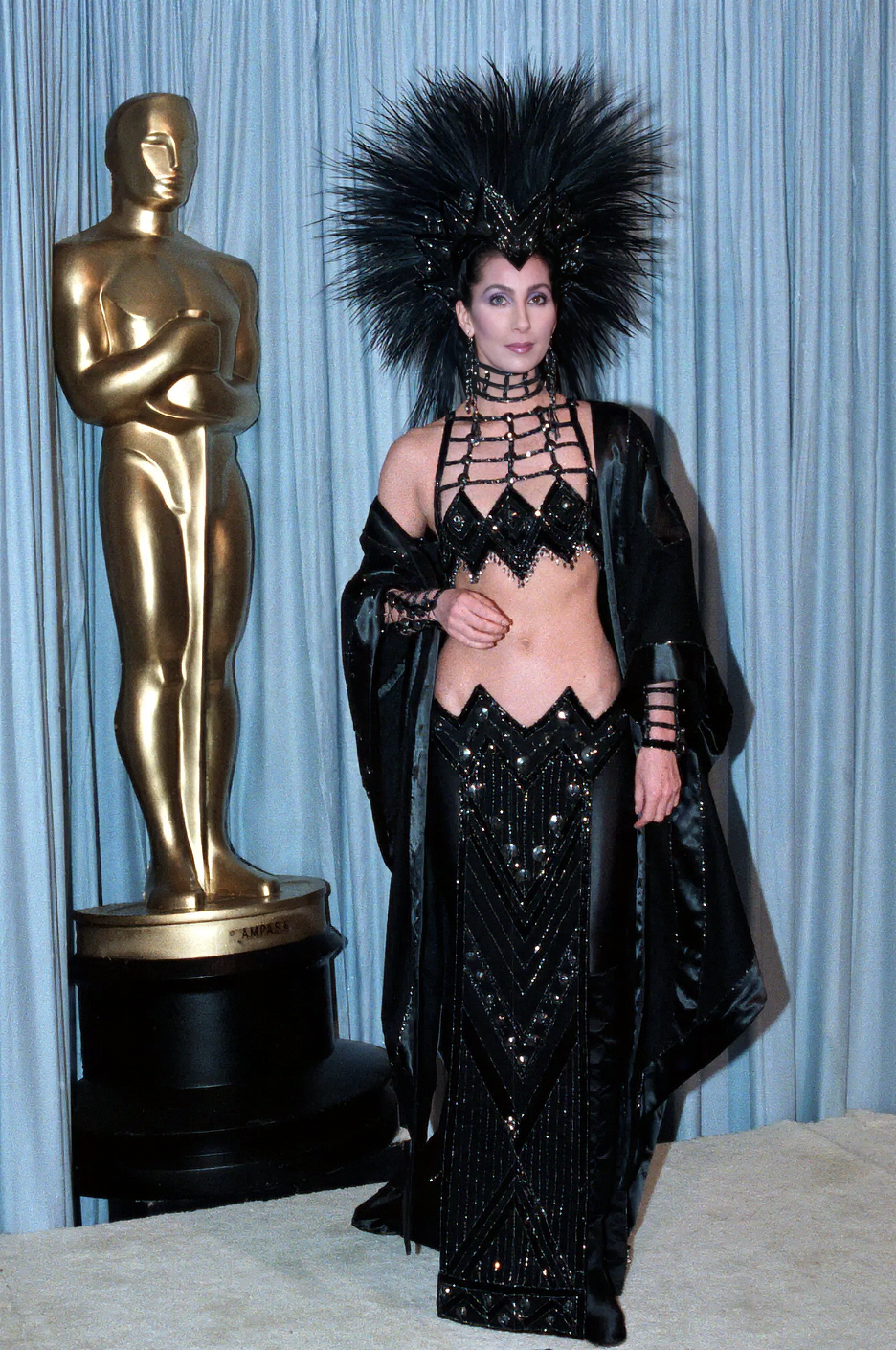
One of their most famous collaborations came at the 1986 Academy Awards. After Cher was not nominated for her performance in Mask, she attended the ceremony in Mackie’s black beaded ensemble with an exposed midriff and an elaborate feathered headdress. The look became one of the defining images of their partnership and one of Mackie’s best-known designs.
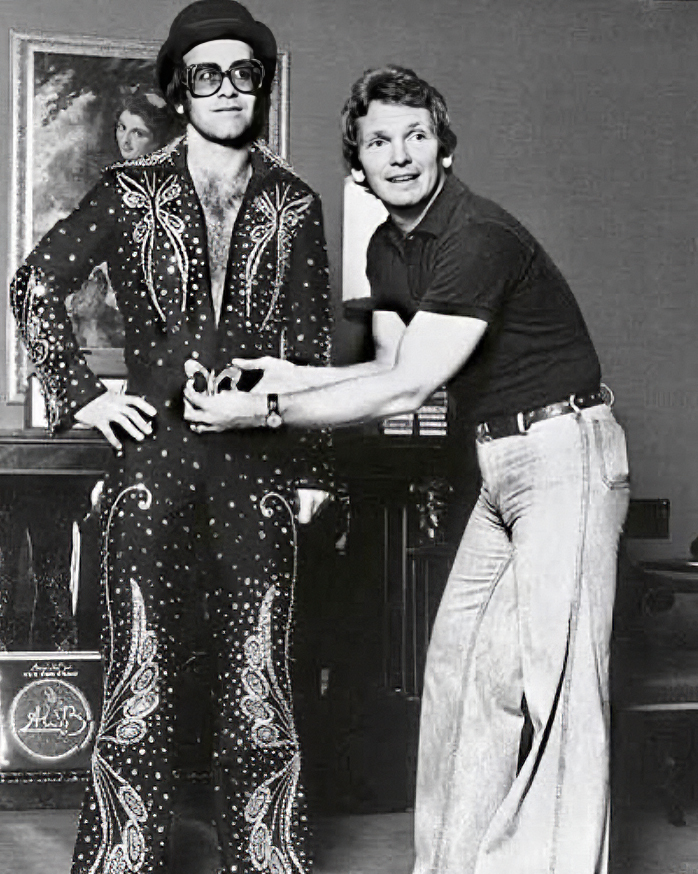
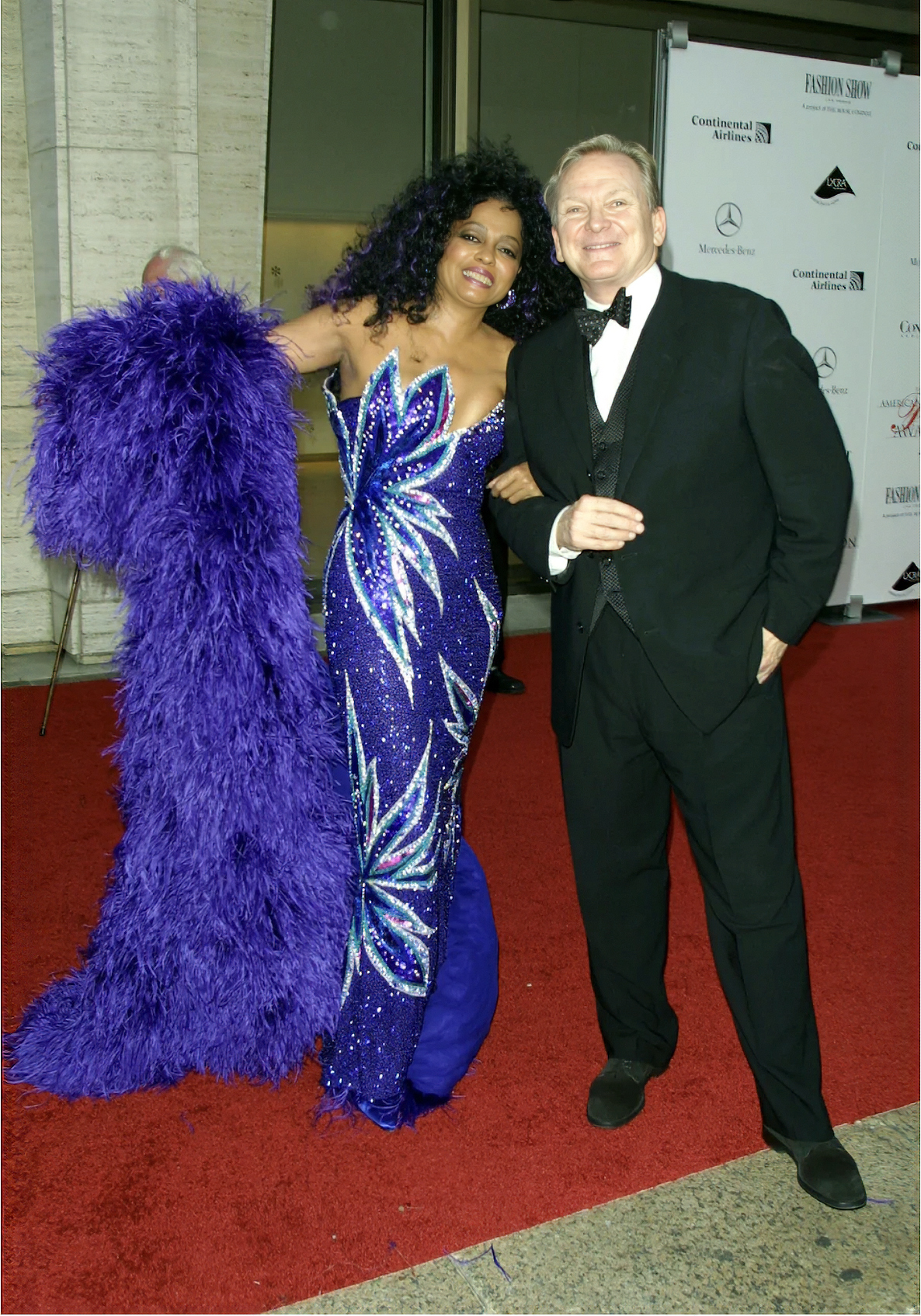
Mackie’s understanding of spectacle extended beyond individual celebrity moments. His costumes combined glamour with humour, theatricality and character, often exaggerating conventional ideas of eveningwear through proportion, embellishment and construction. That approach allowed the same designer to create a glamorous stage gown and a deliberately comic television costume without treating the two as separate disciplines.
A legacy built on performance
Mackie’s influence remains visible in the way performers use fashion today. Red-carpet and press-tour dressing increasingly extends beyond choosing an outfit, with clothes used to build an image or continue the visual narrative of a performance, film or album.
That approach can be seen in contemporary collaborations between performers and stylists, including Zendaya and Law Roach, where individual appearances are treated as part of a wider visual story. Mackie was working with the relationship between clothes and performance decades earlier, creating costumes intended to be remembered as part of the entertainer wearing them.
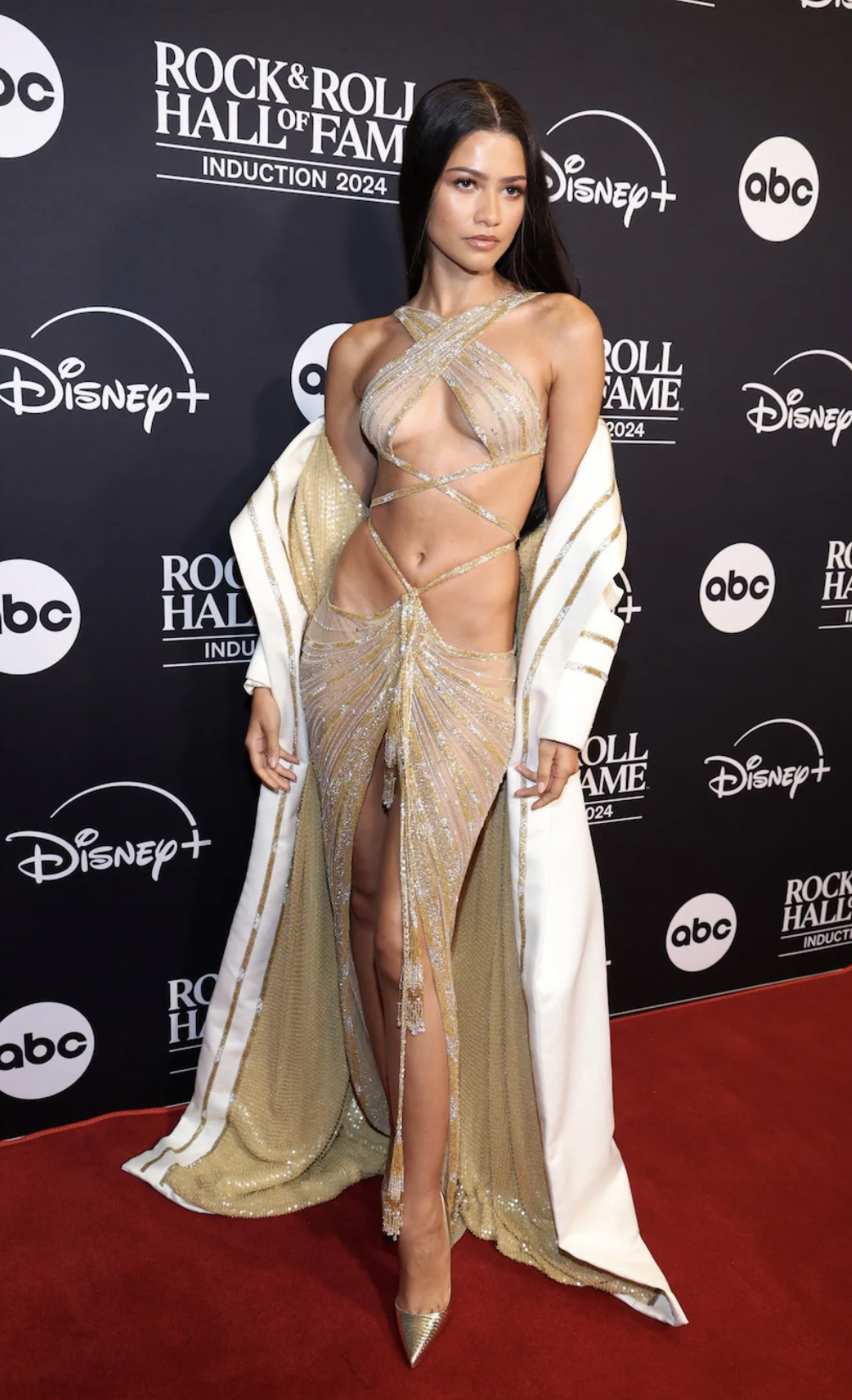
His legacy is therefore larger than the sequins, feathers and dramatic silhouettes most closely associated with his name. Mackie demonstrated that costume could be glamorous, humorous and theatrical at the same time, while giving performers a recognisable visual identity.
Across television, film, concerts and red carpets, he treated clothing as part of the performance rather than something separate from it. That idea continues in celebrity fashion today, where an outfit can become as memorable as the appearance itself.
By Clarissa Straughn