
New York Fashion Week has once again demonstrated why the city remains one of the most influential fashion capitals in the world. Taking place from September 10–15, 2026, the Spring/Summer 2027 season brought together established American fashion houses, returning designers and a new generation of creative talent.
With around 70 shows and presentations on the official CFDA schedule, the week offered a diverse mixture of American heritage, contemporary design, streetwear and experimental fashion.
While there were many notable collections throughout the week, five shows particularly captured attention: Coach, Tommy Hilfiger, Proenza Schouler, Tory Burch and Thom Browne. Together, these collections demonstrate the contrasting identities that make New York fashion distinctive.
1. Coach
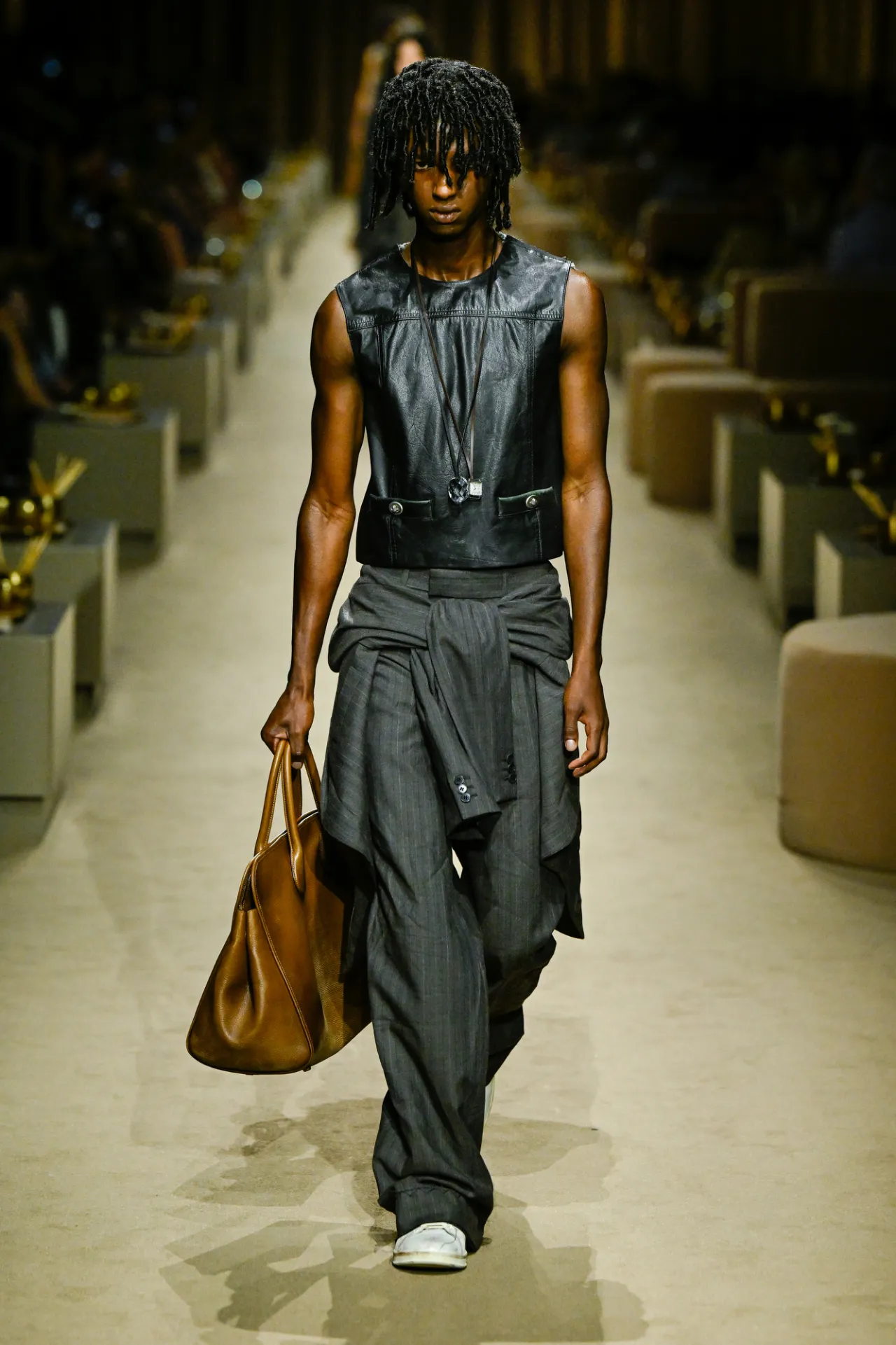 | 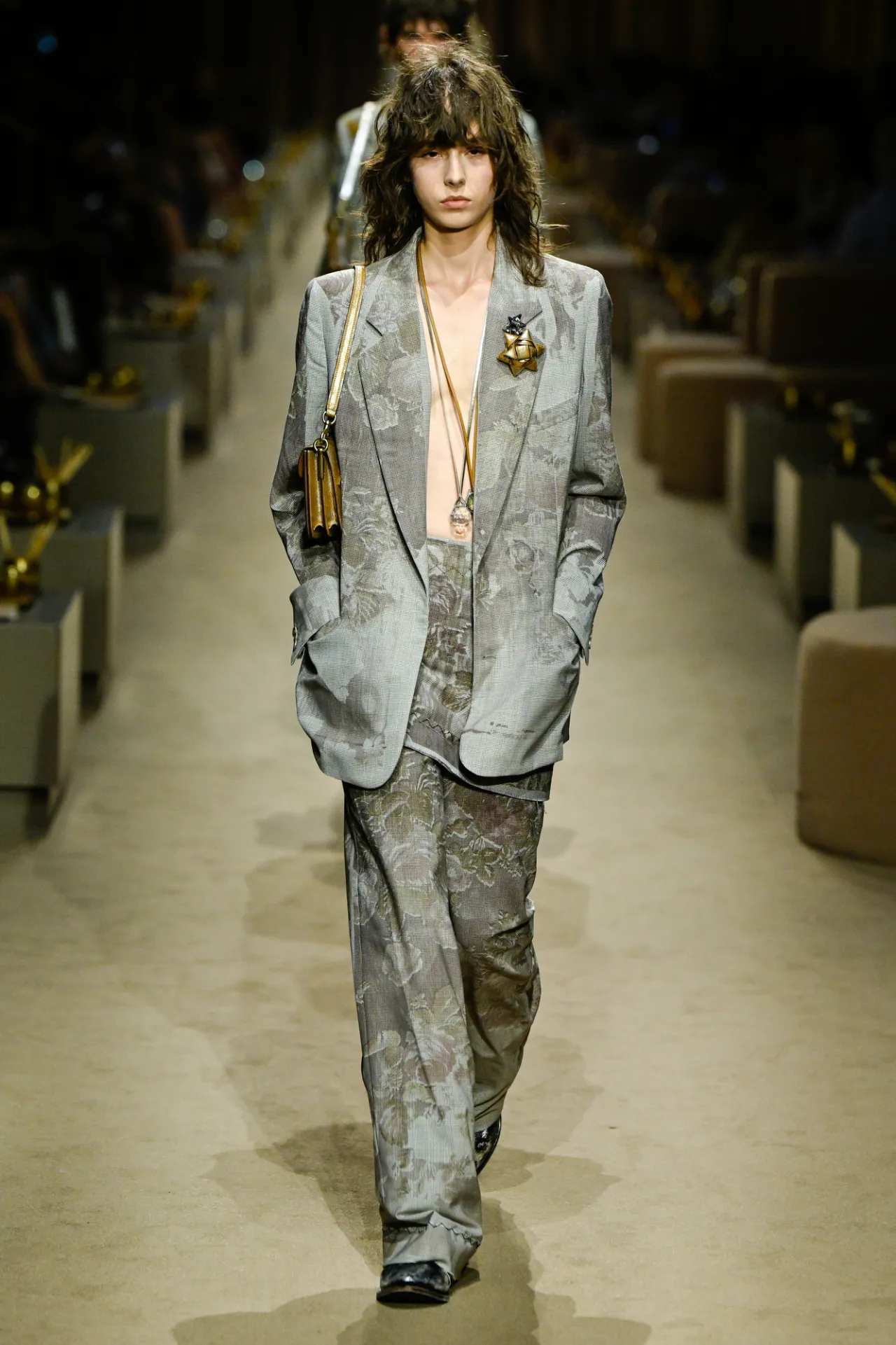 | 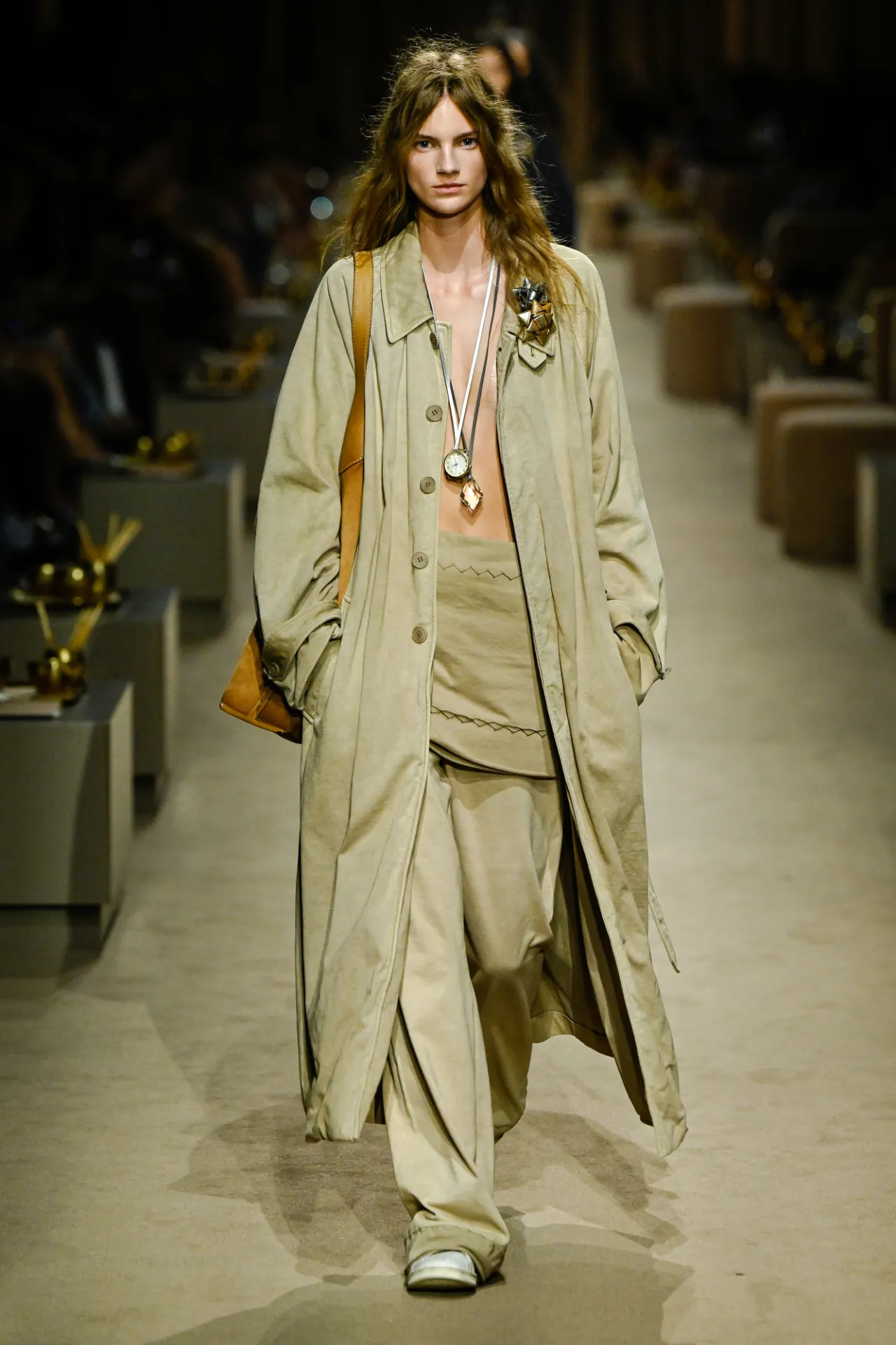 |
Coach was one of the major names to watch during New York Fashion Week, particularly as the brand continues to develop its position between luxury fashion and contemporary American culture. The brand’s Spring/Summer 2027 presentation formed part of a significant season for Coach, which is celebrating its 85th anniversary.
Coach’s appeal comes from its ability to reinterpret familiar American fashion codes for a younger audience. Leather goods, relaxed silhouettes and recognisable accessories remain central to the brand’s identity, while contemporary styling helps prevent the collection from feeling overly traditional.
The importance of Coach at NYFW also reflects the continuing influence of commercial fashion within the runway environment. Rather than separating fashion from everyday life, the brand demonstrates how runway ideas can translate into products that are wearable and commercially relevant.
The show therefore represented more than another seasonal collection. It demonstrated how an established American fashion company can use its heritage while continuing to appeal to changing consumer tastes.
Images: WWD
2. Tommy Hilfiger
 |  |  |
Tommy Hilfiger was another important name during the week, returning to the official NYFW schedule after an absence.
Hilfiger’s influence on American fashion has historically been connected with preppy styling, sportswear and references to youth culture. His return was therefore significant because it brought one of the most recognisable names in American fashion back into the centre of New York’s runway calendar.
The collection can be viewed within the broader revival of American nostalgia currently influencing fashion. Designers are increasingly revisiting familiar references from previous decades and reinterpreting them for contemporary consumers.
This is particularly relevant to New York because the city has long been associated with accessible, youthful and commercially successful fashion. Hilfiger’s work occupies a space between luxury and mass-market culture, making the brand an important example of how American fashion can operate across different levels of the industry.
Images: Hypebeast
3. Proenza Schouler
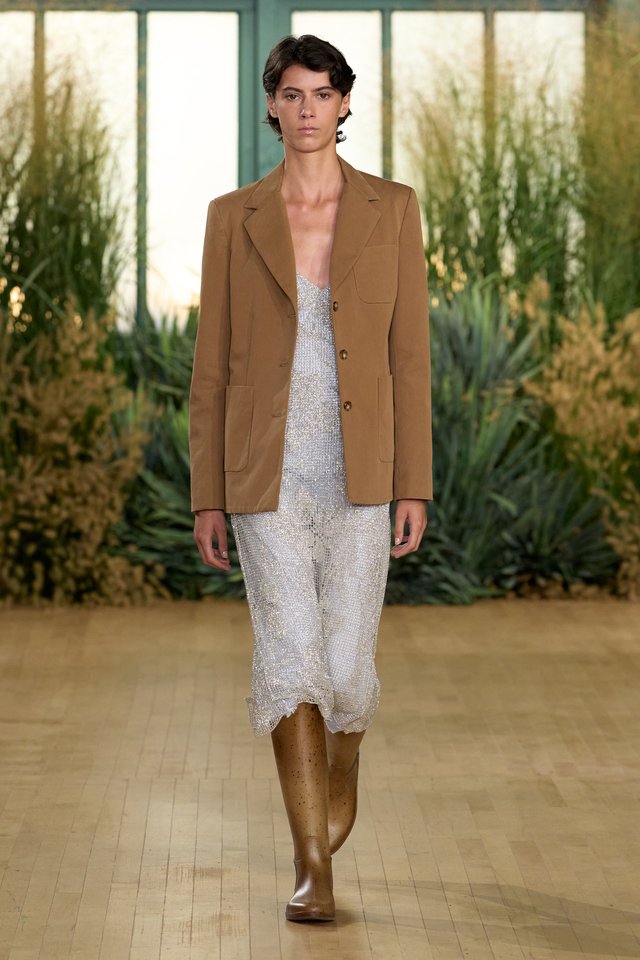 | 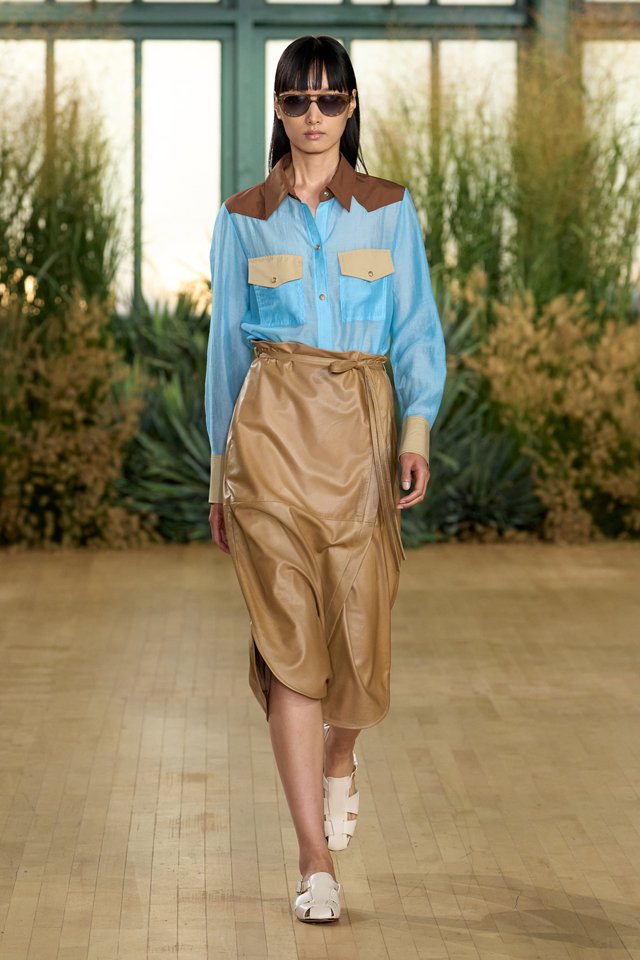 | 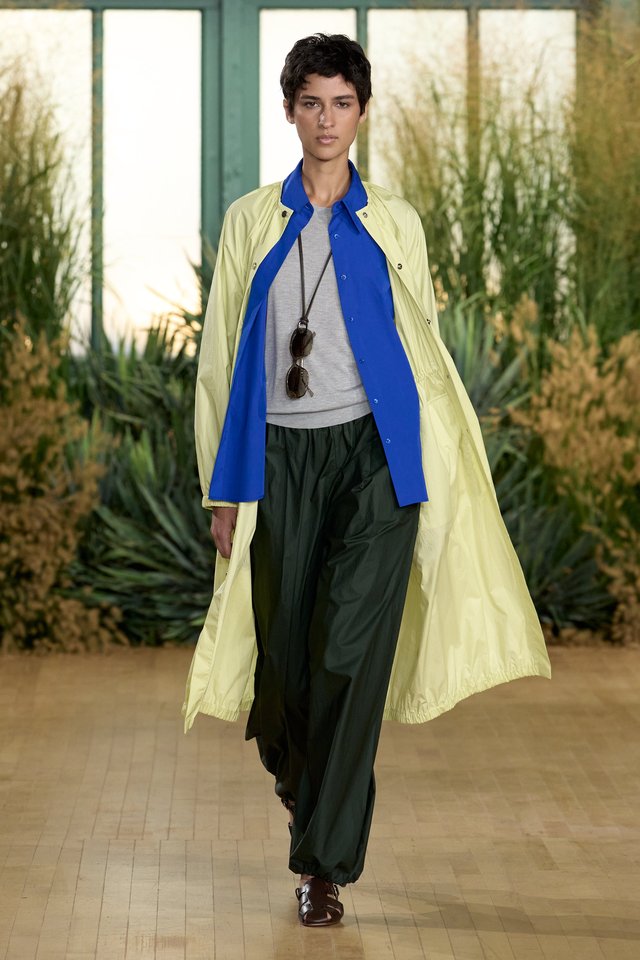 |
Proenza Schouler remains one of New York’s most distinctive modern fashion labels. Founded by designers Jack McCollough and Lazaro Hernandez, the brand has developed a reputation for combining sophisticated tailoring with experimental silhouettes and an unmistakably New York sensibility.
The brand appeared on the opening day of the official September 2026 schedule, alongside designers including Diane von Furstenberg and Tommy Hilfiger.
Proenza Schouler is particularly interesting because its approach sits between minimalism and experimentation. Rather than relying exclusively on obvious trends, the label often focuses on construction, proportion and the relationship between clothing and the body.
Its presence at NYFW highlights the importance of New York as a centre for designers who want to challenge conventional ideas of luxury. The collection also demonstrates how American fashion can compete internationally without simply copying European luxury traditions.
For Spring/Summer 2027, Proenza Schouler represented the more conceptual side of New York Fashion Week, providing a contrast to the more commercially focused collections elsewhere on the schedule.
Images: SHOWstudio
4. Tory Burch
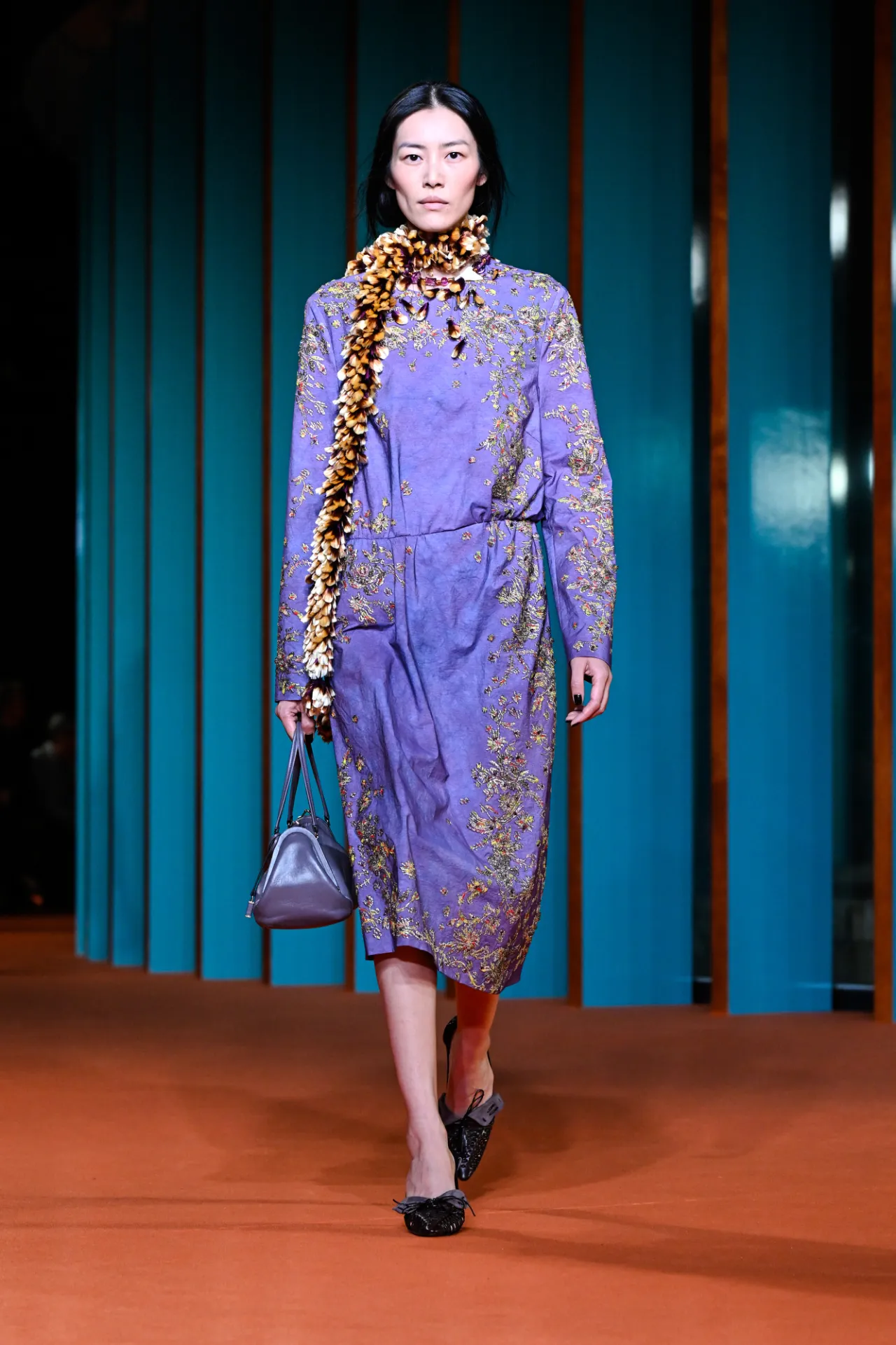 | 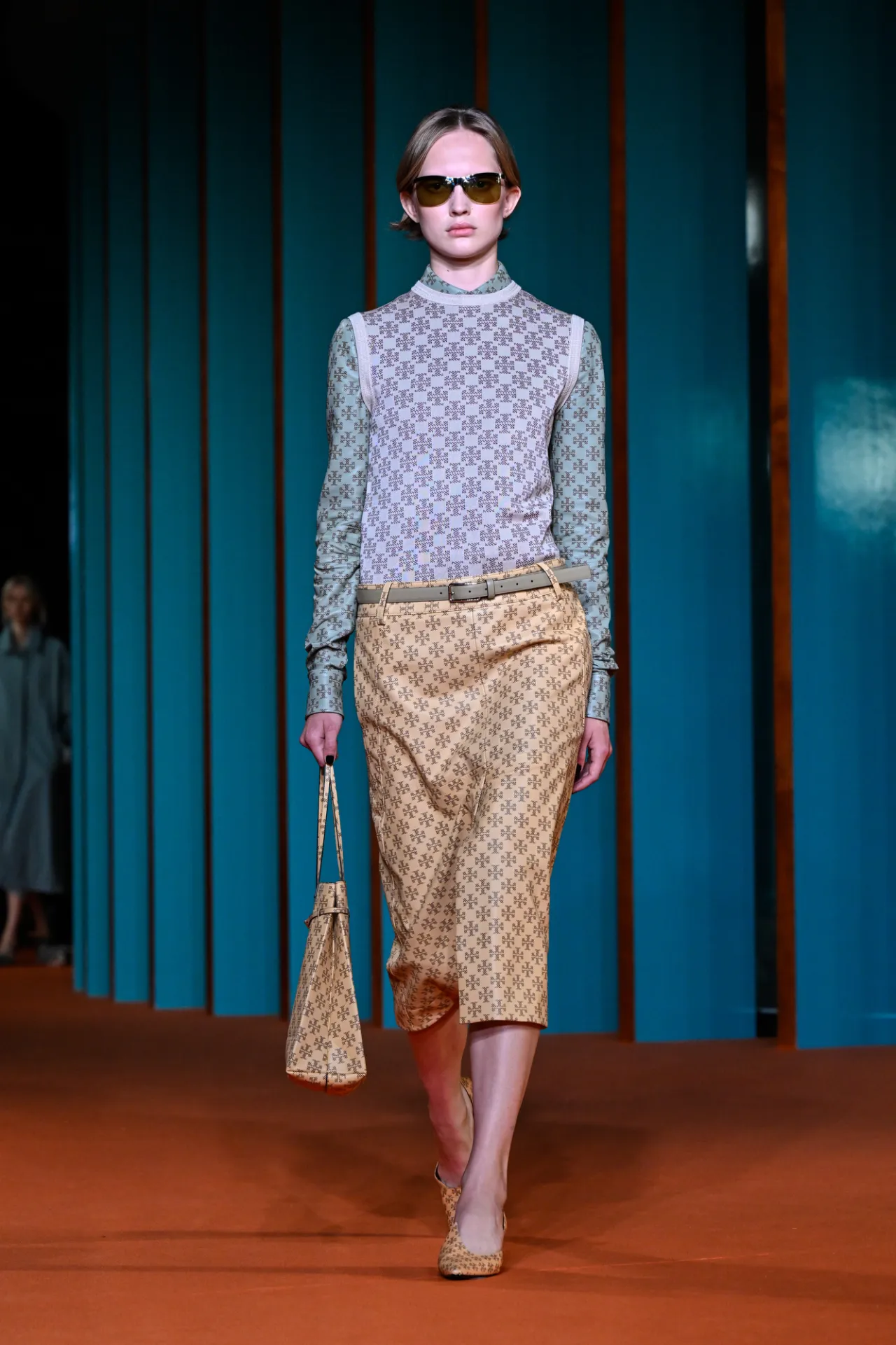 | 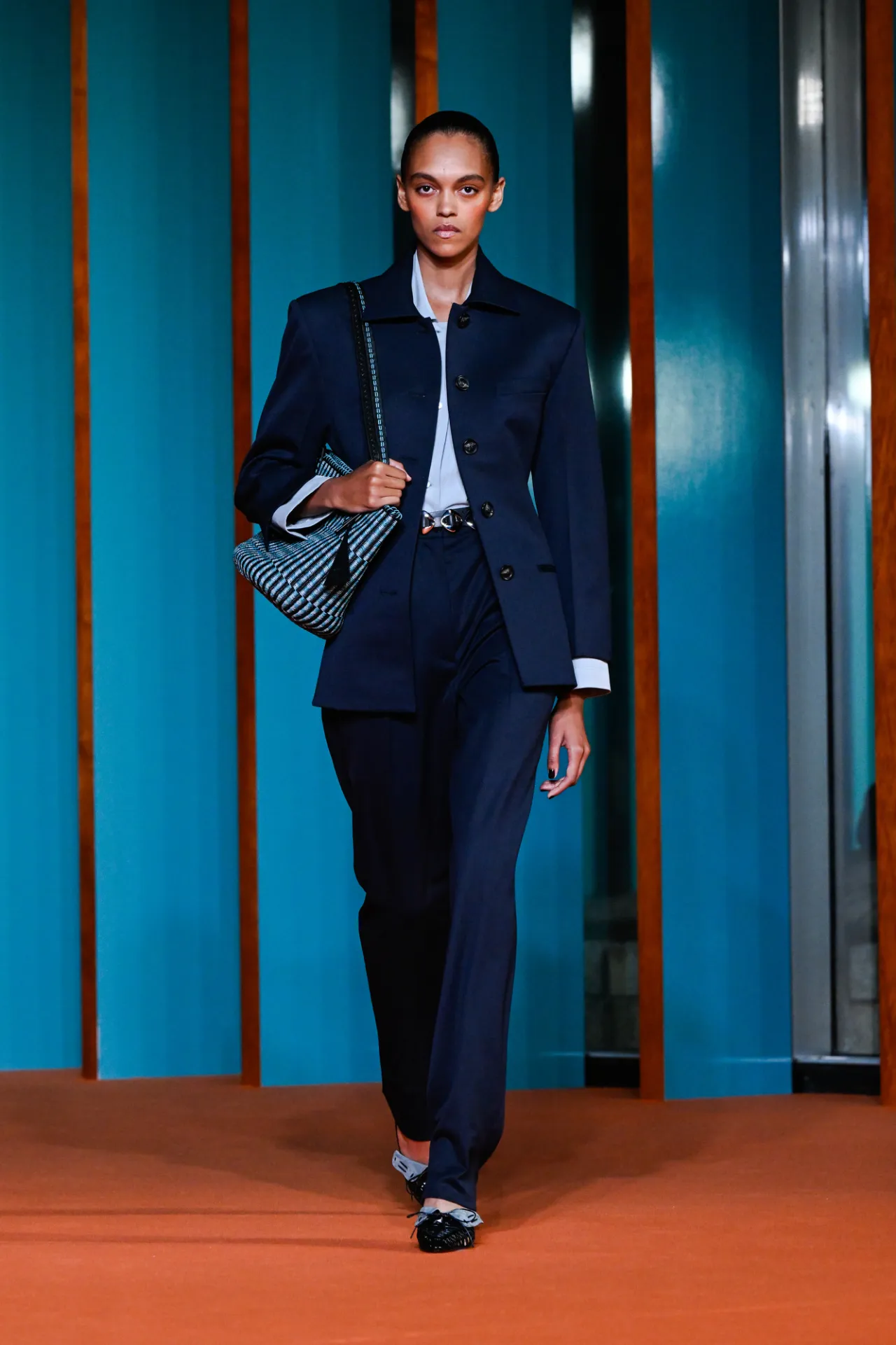 |
Tory Burch has become an important part of the modern New York fashion landscape, combining polished American sportswear with elements of luxury and femininity. Her Spring/Summer 2027 show was scheduled on September 10, alongside some of the week’s most established names.
One of the strengths of the Tory Burch aesthetic is its ability to combine practicality with visual sophistication. Rather than designing clothing purely for the runway, the brand places considerable emphasis on how garments function within everyday wardrobes.
This reflects a wider shift within contemporary fashion. Consumers increasingly expect designer clothing to offer versatility as well as visual impact. The modern luxury customer may want a piece that works at multiple occasions rather than an outfit designed exclusively for a fashion event.
Tory Burch therefore represents an important part of New York’s fashion identity: sophisticated but wearable, luxurious but not disconnected from everyday life.
5. Thom Browne
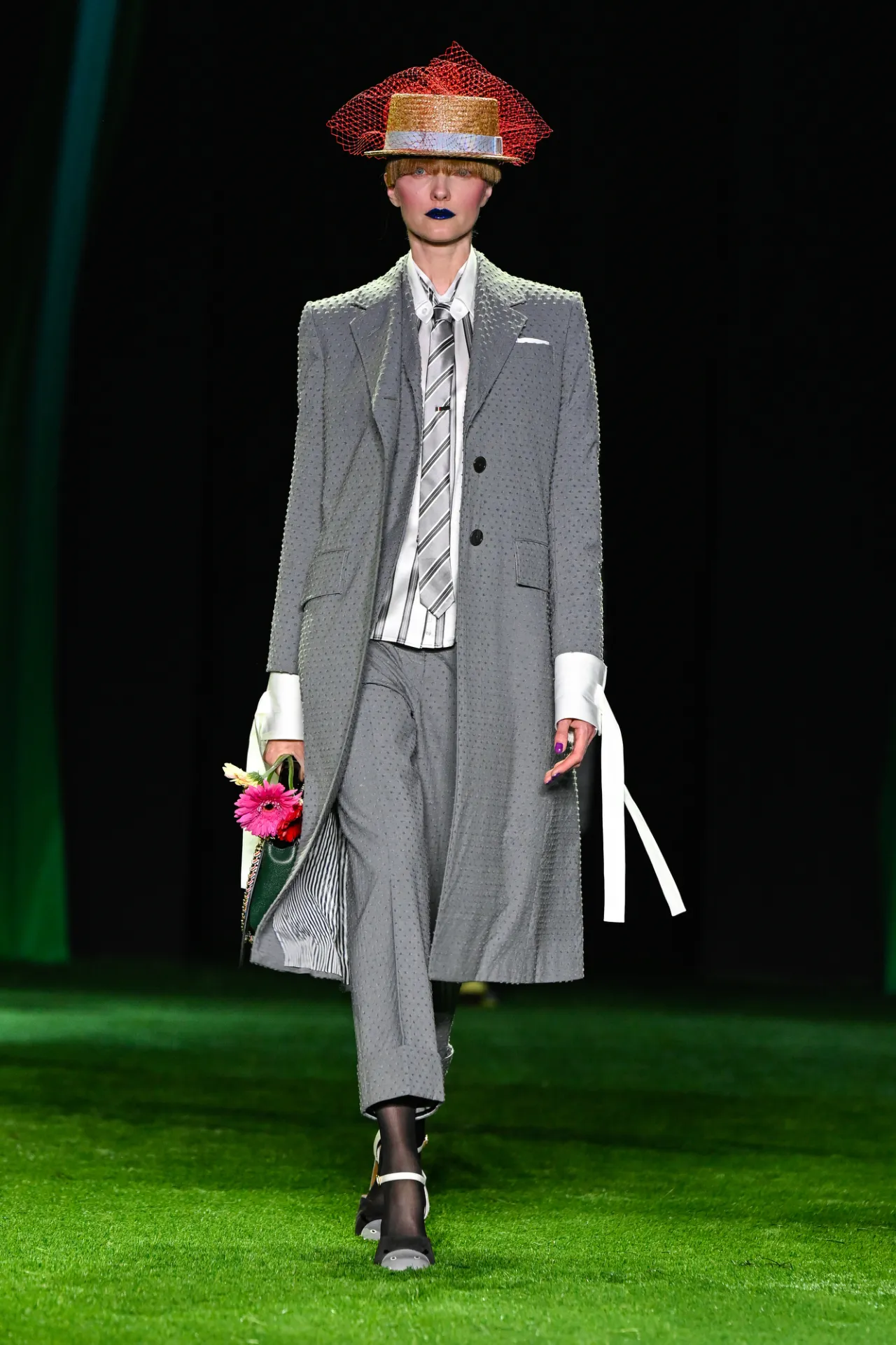 | 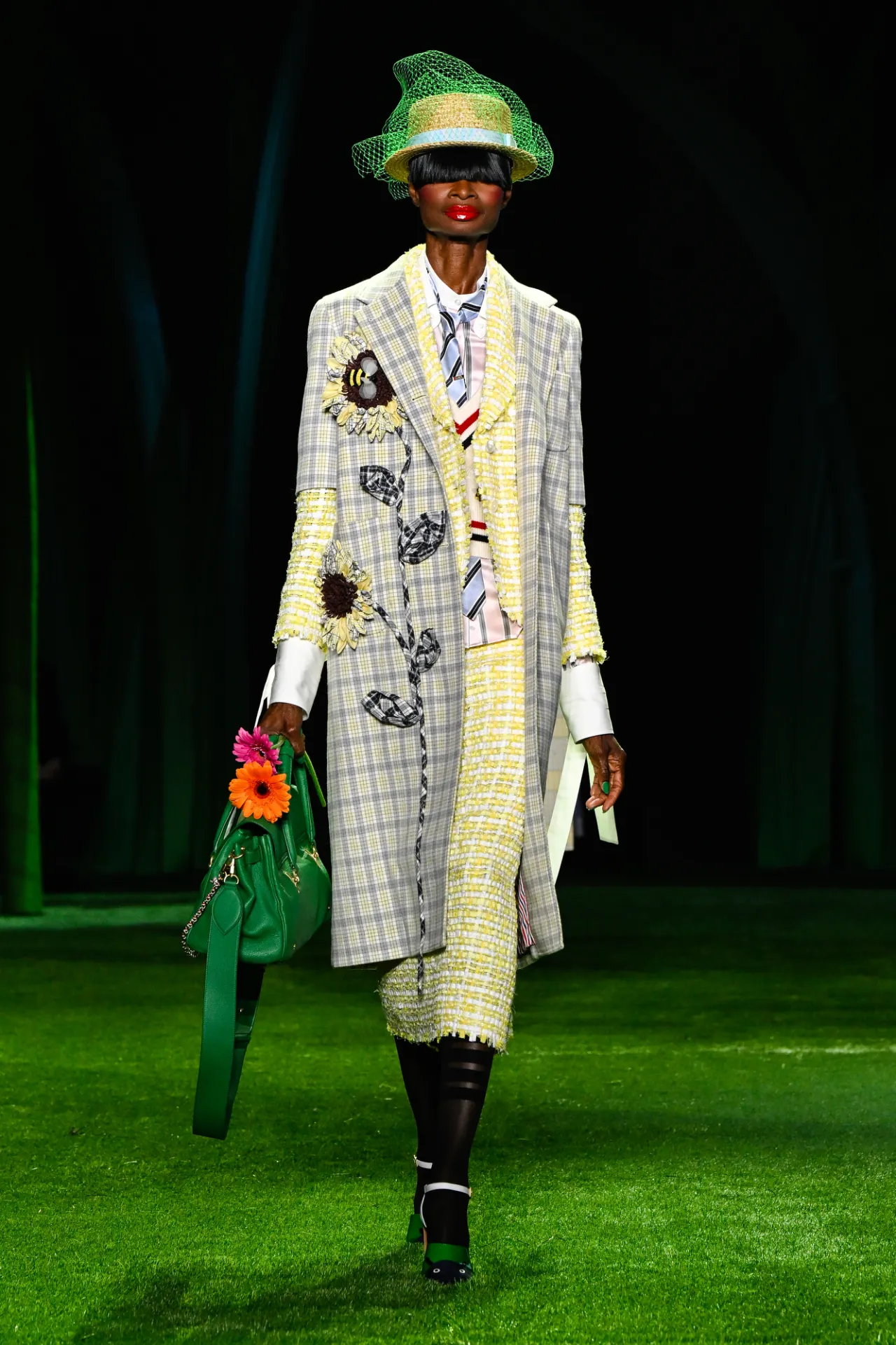 | 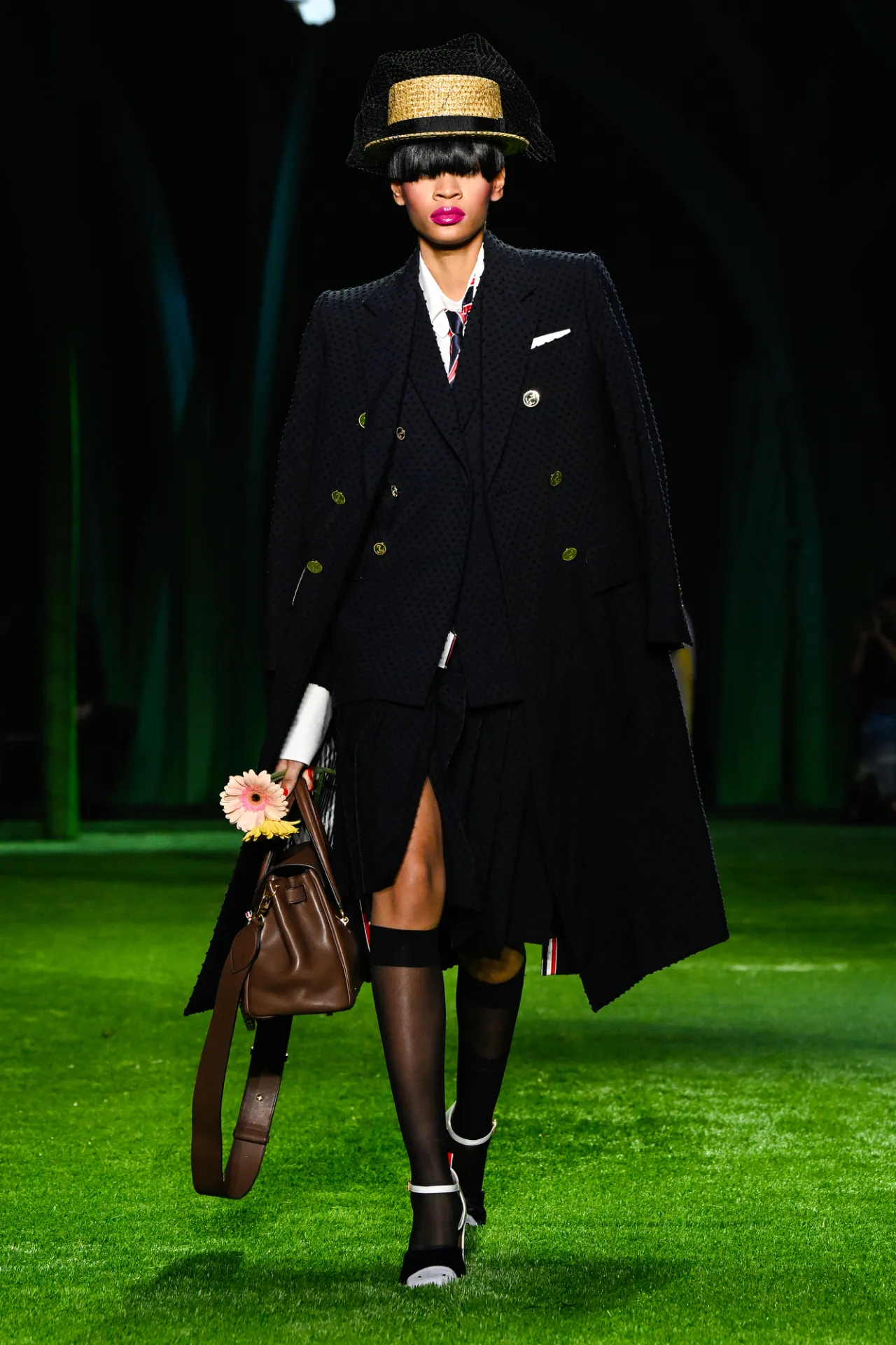 |
Thom Browne provided a particularly appropriate conclusion to the official NYFW schedule, with the designer scheduled to close the week on September 15.
Browne has developed one of the most recognisable visual identities in contemporary American fashion. His work frequently plays with traditional tailoring, proportion and uniform-like styling, transforming familiar garments into highly theatrical runway pieces.
The decision to close NYFW with Thom Browne was significant because his work represents the more conceptual and theatrical side of American fashion. His collections demonstrate that tailoring does not have to remain conservative; instead, classic construction can become a starting point for experimentation.
Browne’s position also reflects New York Fashion Week’s ability to combine commercial fashion with artistic expression. While brands such as Coach and Tommy Hilfiger demonstrate the strength of American fashion as a commercial industry, Browne demonstrates how American designers can also use the runway as a form of creative storytelling.
Images: WWD
The five selected shows demonstrate five different aspects of the New York fashion industry.
Coach represents the relationship between heritage, luxury and contemporary consumer culture. Tommy Hilfiger highlights the continuing influence of American sportswear and nostalgia. Proenza Schouler demonstrates New York’s experimental approach to modern luxury. Tory Burch represents wearable sophistication and the commercial importance of contemporary lifestyle fashion. Finally, Thom Browne demonstrates the theatrical and conceptual possibilities of American design.
Together, these collections illustrate why New York remains an important fashion capital. Unlike a city with a single dominant design identity, New York Fashion Week brings together multiple versions of American fashion—from commercial sportswear and accessible luxury to avant-garde tailoring and emerging experimental design.
By George Crates-Bird