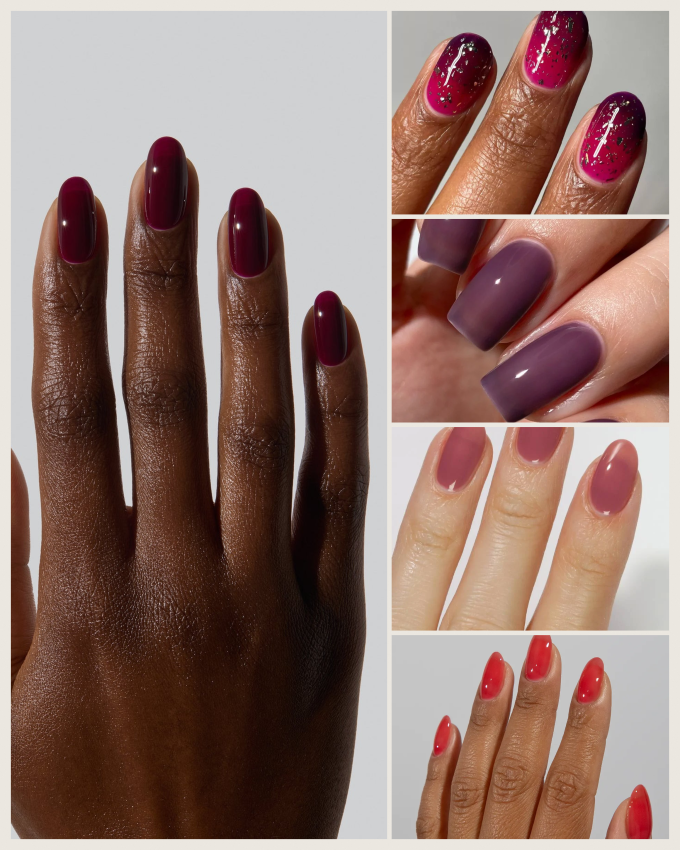
Cold weather can change the way skin looks and feels. Lower temperatures, reduced humidity and central heating can contribute to dryness, tightness and irritation, while products that worked comfortably throughout summer may suddenly feel less suitable. Even those with oily or combination skin can experience dehydration during the colder months.
Adapting a skincare routine for winter doesn’t mean replacing every product on the bathroom shelf. The most effective changes are often straightforward: choosing a gentler cleanser, reconsidering the texture of a moisturiser and paying closer attention to ingredients that may cause irritation. The aim is to maintain the skin’s protective barrier and reduce moisture loss without overcomplicating daily care.

Cleansing is a sensible place to begin. Although removing makeup, sunscreen and daily impurities remains essential, some foaming cleansers and formulas designed for excess oil can leave skin feeling uncomfortable when it is already dry. A gentle cream or hydrating cleanser may be more suitable, particularly for those experiencing tightness after washing. Fragrance-free options are also worth considering when skin becomes sensitive.
This doesn’t mean everyone needs to abandon their usual cleanser. Oily and combination skin can still benefit from a lightweight formula that removes excess sebum effectively. What matters is how the skin responds afterwards. Persistent tightness, stinging or flaking can indicate that a product is too harsh for its current condition.
Choosing the Right Moisturiser
During winter, a moisturiser that reduces water loss can make a noticeable difference to dry or uncomfortable skin. A lightweight lotion may continue to work well for some people, while others may find that a richer cream provides greater comfort.
Ingredients are worth considering alongside texture. Glycerin and hyaluronic acid attract water, while ceramides and emollients help support the skin barrier. Occlusive ingredients such as petrolatum reduce water loss and can be particularly useful for very dry areas. A good moisturiser doesn’t need to contain every ingredient, but it should leave the skin feeling comfortable without causing congestion or irritation.
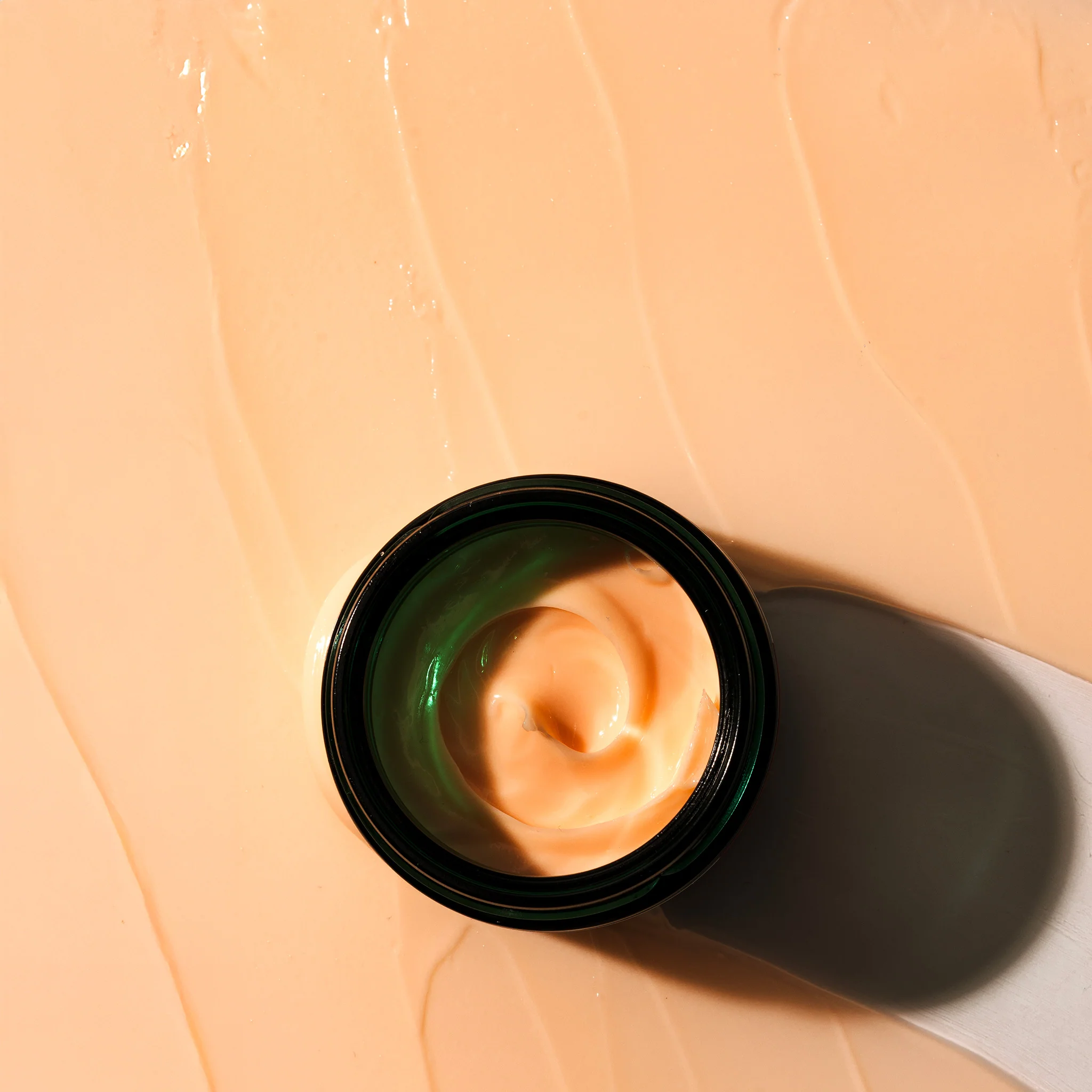
For dry skin, a cream containing a combination of hydrating and barrier-supporting ingredients may be more effective than a lightweight gel. Those with oily or acne-prone skin can look for non-comedogenic lotions or gel-creams that provide hydration without feeling excessively heavy. Combination skin may benefit from applying a richer product only to areas that need it, such as the cheeks or around the mouth.
Applying moisturiser shortly after cleansing, while the skin is still slightly damp, can help retain water. Additional hydrating serums are an option rather than a necessity; a well-formulated moisturiser may be sufficient on its own. The American Academy of Dermatology’s guidance on choosing a moisturiser also explains how different textures can suit different skin types.
Winter can also be a time to reconsider how frequently exfoliating acids and retinoids are used. Ingredients such as glycolic acid, salicylic acid and retinol can be beneficial, but they may also contribute to dryness or irritation, especially when several active products are combined. Skin that begins to sting, peel or feel unusually sensitive may benefit from less frequent exfoliation and a simpler routine.
Flaking should not automatically be treated with a facial scrub. When the skin barrier is compromised, further exfoliation can make discomfort worse. Those using prescribed retinoids or acne treatments should seek professional advice before changing their treatment schedule.
Protection Beyond Your Face
Sunscreen should remain part of a winter skincare routine. Although daylight hours are shorter and temperatures lower, ultraviolet radiation is still present. A broad-spectrum SPF 30 or higher is recommended for exposed skin, with reapplication when necessary, particularly during prolonged outdoor activities. The American Academy of Dermatology explains why sun protection remains important during colder weather.
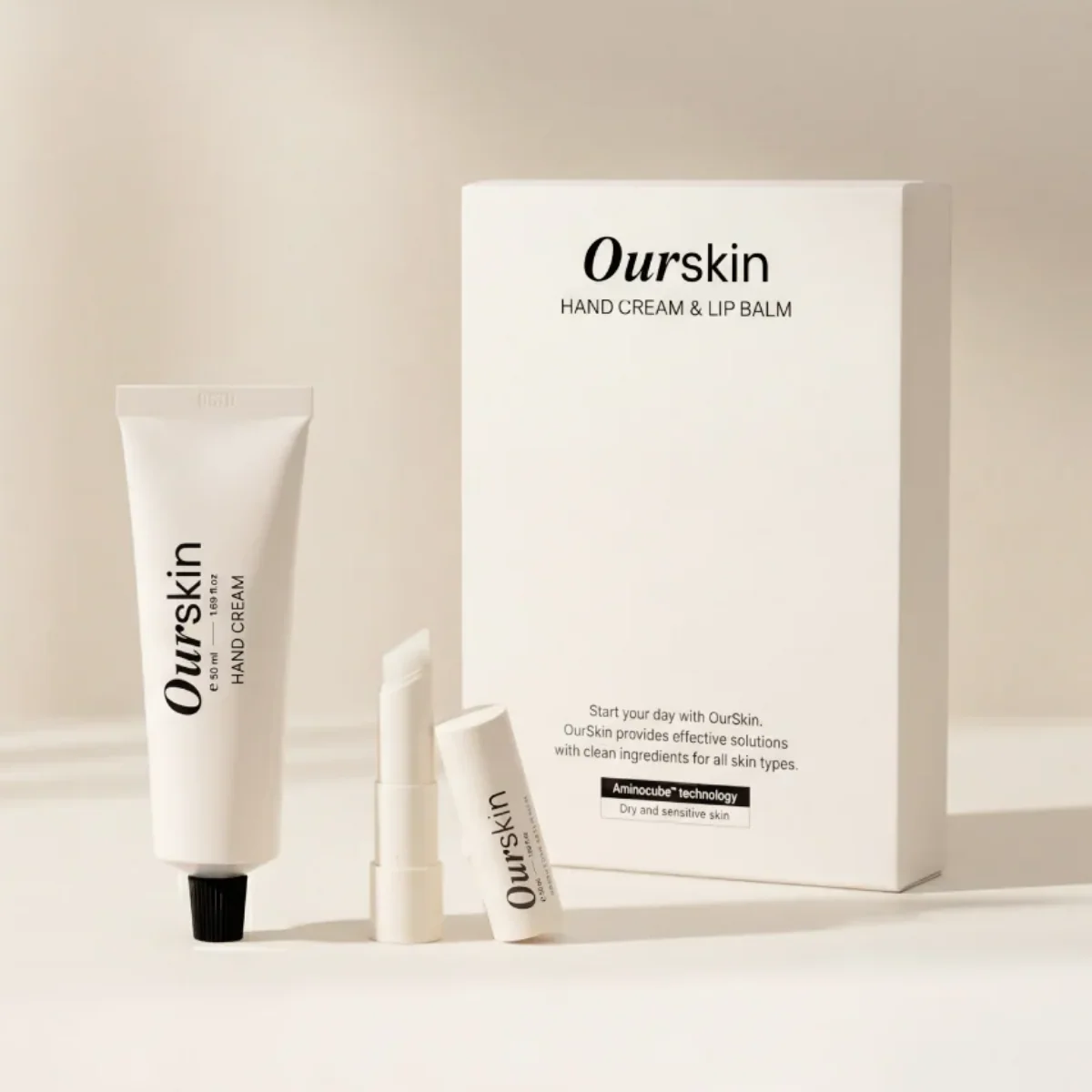
Lips and hands also deserve attention. Cold air, frequent handwashing and exposure to wind can leave these areas dry or cracked. A fragrance-free lip balm or petroleum jelly can provide protection, while a hand cream applied after washing helps replace lost moisture. For particularly dry hands, a thicker cream or ointment may be more effective than a lightweight lotion.
Body care is equally important. Long, hot showers can remove oils from the skin and worsen dryness, so keeping showers relatively short and using warm rather than very hot water can make a difference. A gentle body wash followed by moisturiser, applied soon after bathing, helps limit moisture loss.
Indoor conditions can contribute to seasonal dryness as well. Central heating often reduces humidity, and a properly cleaned humidifier may help make particularly dry rooms more comfortable. However, it is not a substitute for suitable skincare products.
Sensitive skin may need additional consideration during winter. Fragranced formulas, harsh exfoliants and frequent changes to a routine can aggravate existing irritation. Introducing products gradually makes it easier to identify anything that causes a reaction. Persistent redness, itching, painful cracking or inflammation should be assessed by a healthcare professional rather than repeatedly treated with new skincare products.