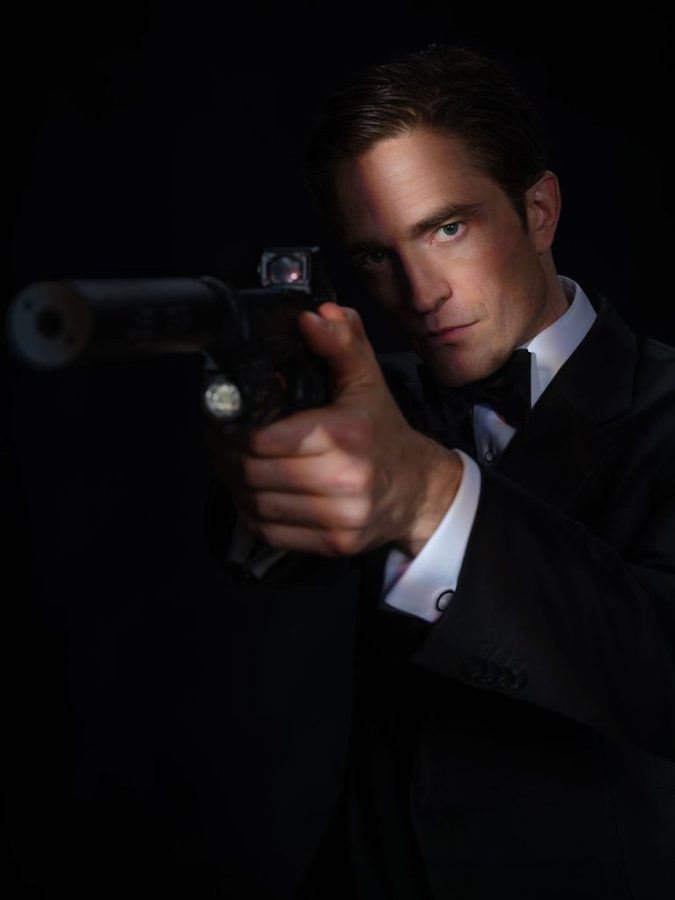
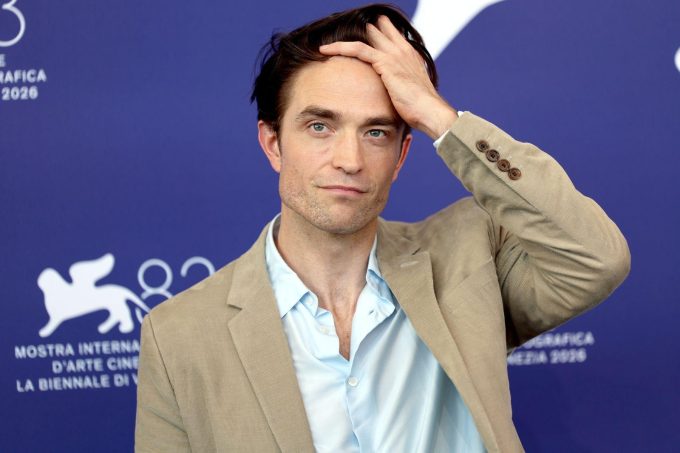
Robert Pattinson might not have been the most obvious choice to play James Bond. That could be his greatest advantage.
After years of speculation, Amazon MGM Studios confirmed on 16 November 2026 that the British actor will succeed Daniel Craig as 007. At 40, Pattinson arrives with an unusual combination of blockbuster experience, independent film credibility and a reputation for choosing roles that rarely follow expectations.
James Bond has always required a particular kind of leading man: confident, charming, physically convincing and capable of commanding the screen. Pattinson possesses those qualities, but his greatest strength may be his willingness to move beyond them.
For a franchise facing its biggest creative transition in decades, that makes him an intriguing choice.
Consider the career Pattinson has built since Twilight. Becoming an international star at a young age could easily have confined him to conventional romantic leads. Instead, he pursued filmmakers and characters that challenged his established image.
In the Safdie brothers’ Good Time, he played a reckless criminal whose increasingly desperate decisions drive the film. Robert Eggers’ The Lighthouse placed him in a claustrophobic psychological drama opposite Willem Dafoe. Bong Joon Ho’s Mickey 17 gave him an opportunity to explore comedy, vulnerability and science-fiction spectacle.
These performances have little in common on the surface. What connects them is Pattinson’s commitment to characters who are difficult to predict. He rarely seems concerned with appearing conventionally heroic, and that could give his Bond a distinct personality.
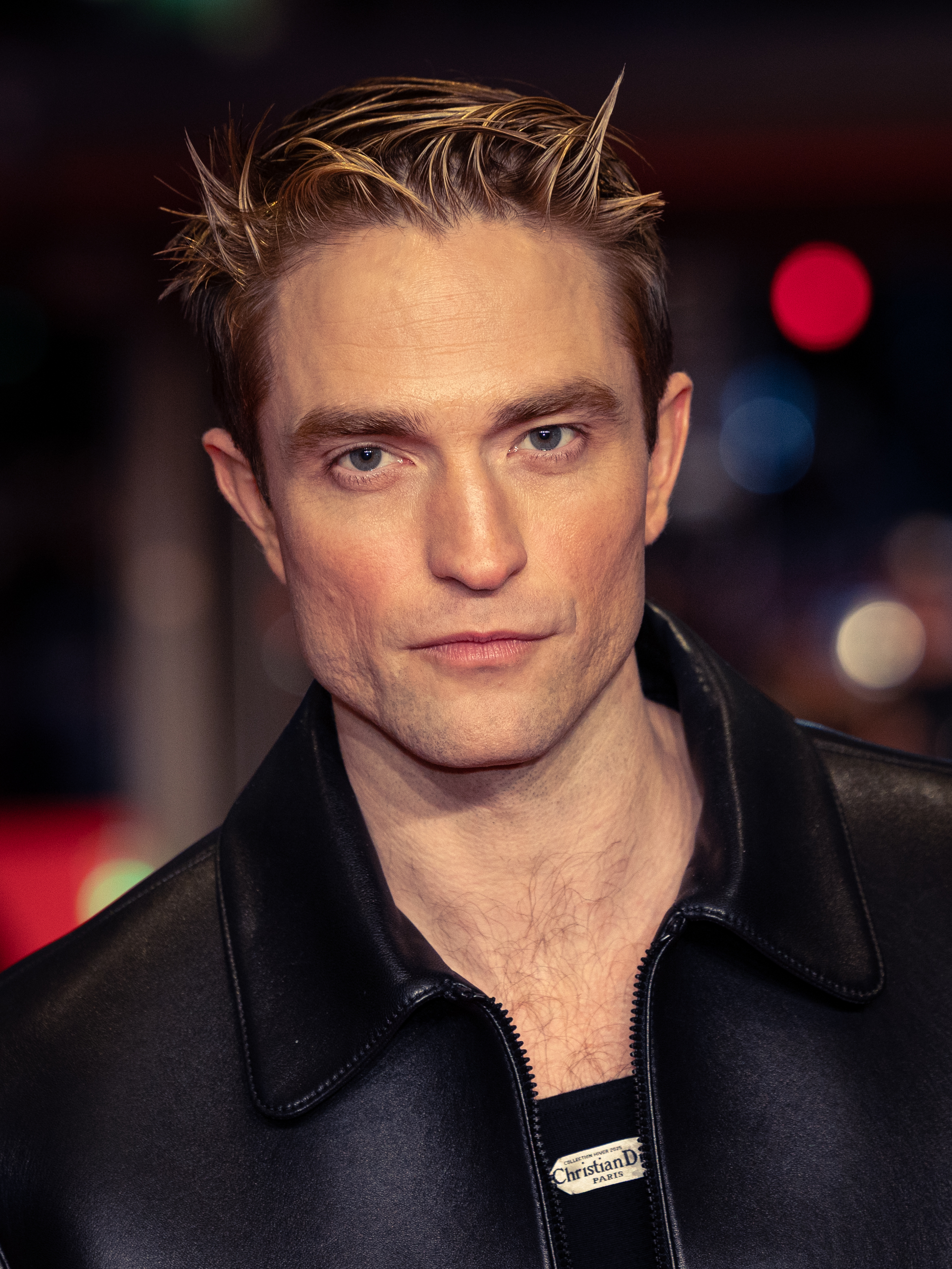
His performance in The Batman offers perhaps the clearest indication of how he approaches an established character. Rather than simply reproducing the familiar image of Bruce Wayne as a polished billionaire, Pattinson focused on a withdrawn, troubled young man struggling with the responsibilities of his double life.
It was a restrained interpretation, relying as much on physical presence and expression as dialogue. The film also established his ability to carry a major action franchise without sacrificing the psychological complexity that defines much of his independent work.
There is another reason this matters. Bond is a character built around contradictions. He is elegant but dangerous, disciplined yet impulsive, emotionally guarded while frequently driven by personal loyalties. The most compelling portrayals have understood those tensions rather than treating 007 as an invincible action hero.
Daniel Craig’s five-film run demonstrated how effective that approach could be. Beginning with Casino Royale in 2006, Craig introduced a more physically imposing and emotionally exposed Bond. His interpretation gradually developed across the series, culminating in the character’s death in No Time to Die.
Pattinson should not attempt to recreate Craig’s performance. The opportunity lies in finding a different balance between Bond’s authority, vulnerability and humour.
His performance as Antinous in Christopher Nolan’s The Odyssey demonstrates another side of his range. Playing an arrogant and threatening suitor, Pattinson showed an ability to make an unsympathetic character compelling to watch.
That willingness to embrace darker characters could be useful for Bond, whose moral certainty has never been quite as straightforward as his reputation suggests.
There is also the matter of style. Pattinson has spent more than a decade associated with Dior Homme, appearing in fragrance and menswear campaigns that place him firmly within the world of luxury fashion. He can inhabit the formal elegance traditionally associated with Bond without appearing uncomfortable or overly rehearsed.
Yet his public personality is markedly different from the controlled image often expected of a leading man. In interviews, he can be self-deprecating, unpredictable and openly humorous. That contrast between sophistication and informality could give his portrayal a welcome sense of personality.

Of course, being an excellent actor and looking convincing in eveningwear do not automatically make someone a successful James Bond. The character’s future will depend just as heavily on the screenplay, direction and the willingness of the studio to reconsider familiar formulas.
That is where Denis Villeneuve becomes particularly important.
The director, whose work includes Arrival, Blade Runner 2049 and the Dune films, has built a reputation for visually ambitious filmmaking and characters operating under considerable psychological pressure. His involvement suggests the possibility of a Bond film with a strong, distinctive cinematic identity.
Pattinson and Villeneuve have already collaborated on the upcoming Dune: Part Three. Their existing working relationship offers an encouraging foundation, although it remains to be seen how their individual styles will translate into the Bond universe.
Peaky Blinders creator Steven Knight is writing the screenplay, with Amy Pascal and David Heyman producing. The film will be developed under Amazon MGM Studios’ creative control, following the decision by longtime franchise custodians Barbara Broccoli and Michael G. Wilson to step back from their previous creative roles.
These changes bring uncertainty, but also an opportunity. Bond has survived for more than six decades by adapting to different audiences, actors and cultural expectations. A successful reinvention does not necessarily require abandoning the character’s defining characteristics. It requires deciding which of them remain relevant.
For Pattinson, the challenge will be establishing his own identity without allowing the weight of the franchise to overwhelm the qualities that made him an interesting choice in the first place.
There are no guarantees. A strong cast and an acclaimed director cannot compensate for a weak film. But Pattinson has repeatedly demonstrated that he is willing to take creative risks, even when safer choices are available.
And perhaps that is the most persuasive argument for his casting. After Daniel Craig, Bond does not need another actor attempting to deliver the same performance. He needs someone capable of showing audiences a side of 007 they have not seen before.
Robert Pattinson has spent much of his career doing exactly that.
For the full casting announcement and details of the upcoming film, read STORY’s report on Robert Pattinson becoming the new James Bond.