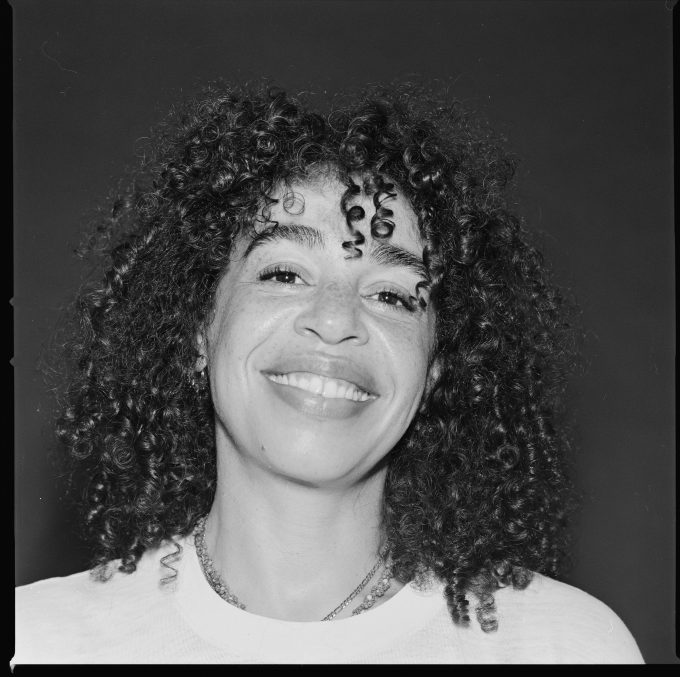
Black women creative directors are taking on influential roles at some of luxury fashion’s most established houses. Within little more than a year, Martine Rose, Grace Wales Bonner and Rachel Scott have been appointed to creative leadership positions at Balenciaga, Hermès and Proenza Schouler respectively.
The latest appointment came on 6 November 2026, when Kering announced that British-Jamaican designer Martine Rose would become creative director of Balenciaga, effective 16 November. She will be the first woman to lead the house’s creative direction, taking responsibility for a label whose influence extends across ready-to-wear, couture and accessories.
Rose’s appointment follows Grace Wales Bonner’s selection as creative director of men’s ready-to-wear at Hermès in October 2025 and Rachel Scott’s appointment at Proenza Schouler the previous September. The three designers have built distinct reputations through independent labels, cultural research and approaches to craftsmanship that challenge conventional definitions of luxury.
These appointments are significant in an industry where the creative leadership of major fashion houses has historically been dominated by men. They also raise a broader question about representation: whether a growing number of high-profile appointments signals lasting change in who has the authority to shape luxury fashion.
Three Designers Shaping a New Chapter
Martine Rose has spent nearly two decades building a distinctive position in British fashion. Since establishing her namesake label in 2007, she has become known for exaggerated proportions, unconventional tailoring and collections informed by music, subcultures and everyday dress.
Her work frequently challenges established ideas of menswear, drawing on familiar garments and transforming them through silhouette and construction. Rose also has a previous relationship with Balenciaga, having worked as a menswear consultant during Demna’s tenure.
Her appointment follows the departure of Pierpaolo Piccioli and forms part of a wider period of leadership changes at Kering. In its official announcement, the luxury group highlighted Rose’s understanding of contemporary culture and her ability to reinterpret established fashion conventions.
The role represents a substantial expansion of her responsibilities. Moving from an independent fashion business to the creative leadership of Balenciaga means working across a larger commercial operation with a substantial international audience. How Rose translates her distinctive design language into that environment will become clearer once her collections are presented.
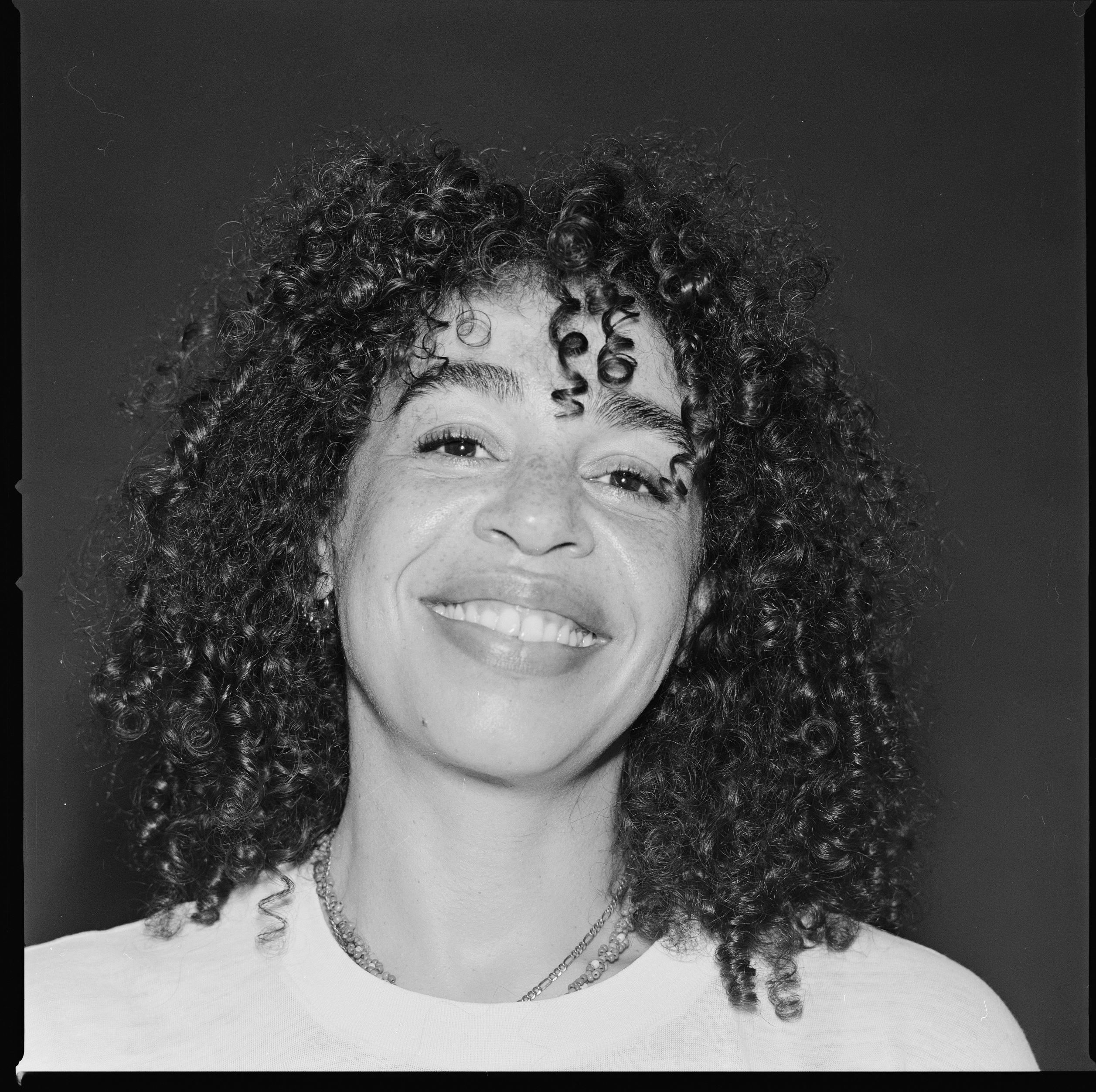
Martine Rose. Photograph: Liz Johnson Artur / Kering.
Grace Wales Bonner approaches fashion through a different relationship with culture and craftsmanship. Since founding Wales Bonner in 2014, the London-born designer has developed a body of work examining Black cultural histories, music, tailoring and the connections between European and African diasporic traditions.
Her collections combine detailed research with precise construction, often incorporating collaborations with artists, musicians and craftspeople. The result is a design identity in which clothing becomes a means of exploring cultural exchange without losing its practical relationship to contemporary menswear.
On 21 October 2025, Hermès announced Wales Bonner as creative director of men’s ready-to-wear, succeeding Véronique Nichanian, who had held the position for 37 years.
Her appointment places her within one of luxury fashion’s most established houses, known for its emphasis on materials, craftsmanship and continuity. Her first collection for Hermès is scheduled for January 2027, making it too early to judge how her vision will develop within the house.
The position is also specifically focused on men’s ready-to-wear, rather than the creative direction of Hermès as a whole. That distinction matters when assessing the responsibilities and influence attached to these appointments.
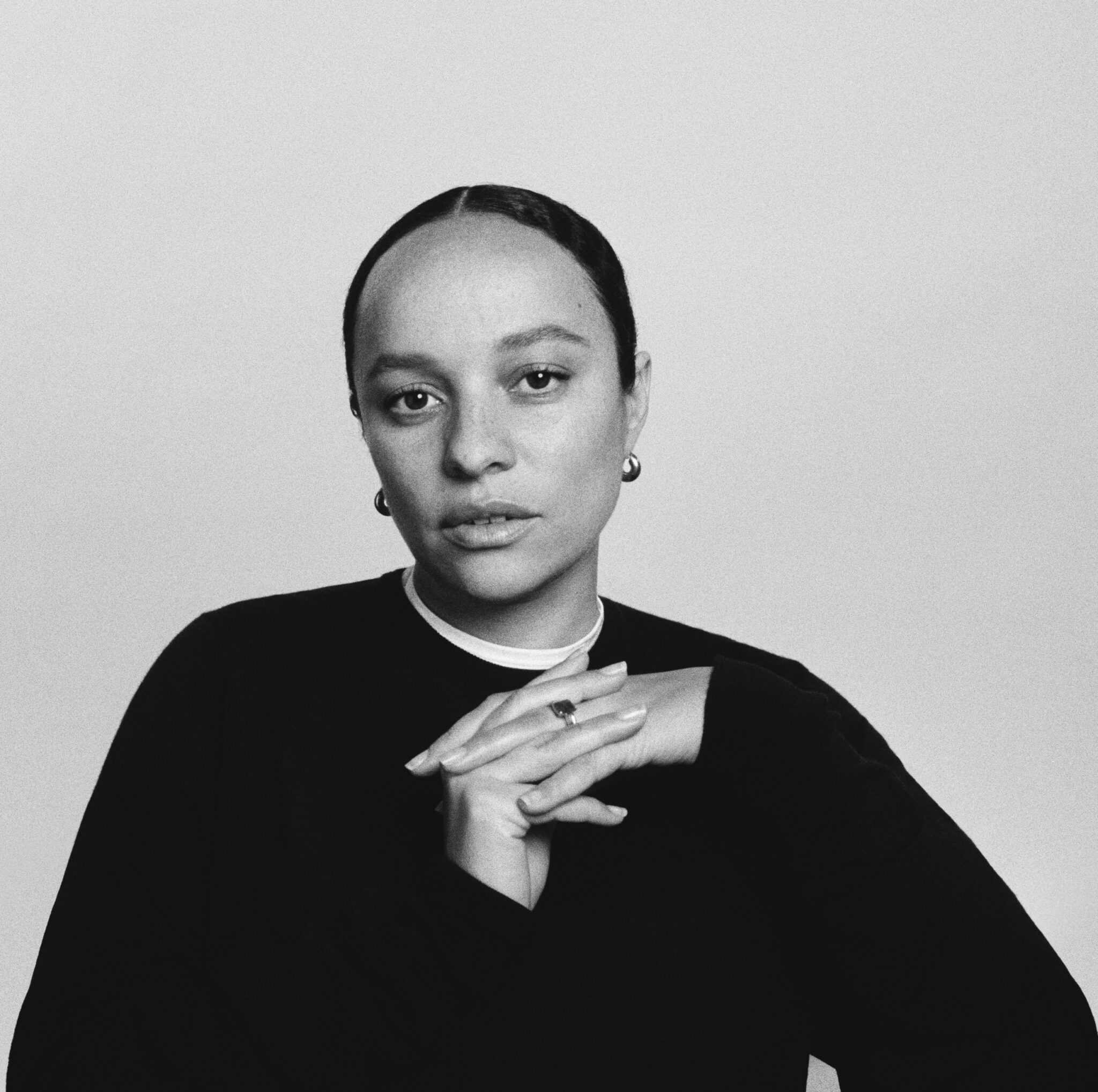
Grace Wales Bonner. Photograph: Malick Bodian / Hermès.
At Proenza Schouler, Rachel Scott has already begun establishing her direction. Appointed in September 2025, the Jamaican-born designer succeeded founders Jack McCollough and Lazaro Hernandez, who moved to Loewe.
Scott founded her own label, Diotima, in 2021, bringing Jamaican artisanal crochet and traditional craftsmanship into contemporary luxury clothing. The brand works with artisans in Jamaica, positioning their skills as an essential part of the design process rather than simply a visual reference.
Her work has received significant recognition, including the 2024 CFDA American Womenswear Designer of the Year award. The Council of Fashion Designers of America confirmed her appointment to Proenza Schouler in September 2025.
At the New York fashion house, she has been developing a relationship between its established design language and her own emphasis on craft, construction and the experience of women wearing the clothes.
Her Autumn/Winter 2026 collection marked her first complete runway collection for the house. Tailoring, draping and sculptural shapes introduced her perspective while retaining elements of Proenza Schouler’s New York identity.
The subsequent Spring/Summer 2027 collection offered a clearer sense of that developing direction, with fluid construction and a more relaxed approach to dressing.
The collection also featured in STORY’s five standout shows from New York Fashion Week 2026, which examined Proenza Schouler alongside Coach, Tommy Hilfiger, Tory Burch and Thom Browne.
Unlike Rose and Wales Bonner, whose first collections for their new houses have yet to be presented, Scott’s work provides an opportunity to assess how an established label can evolve under different creative leadership.
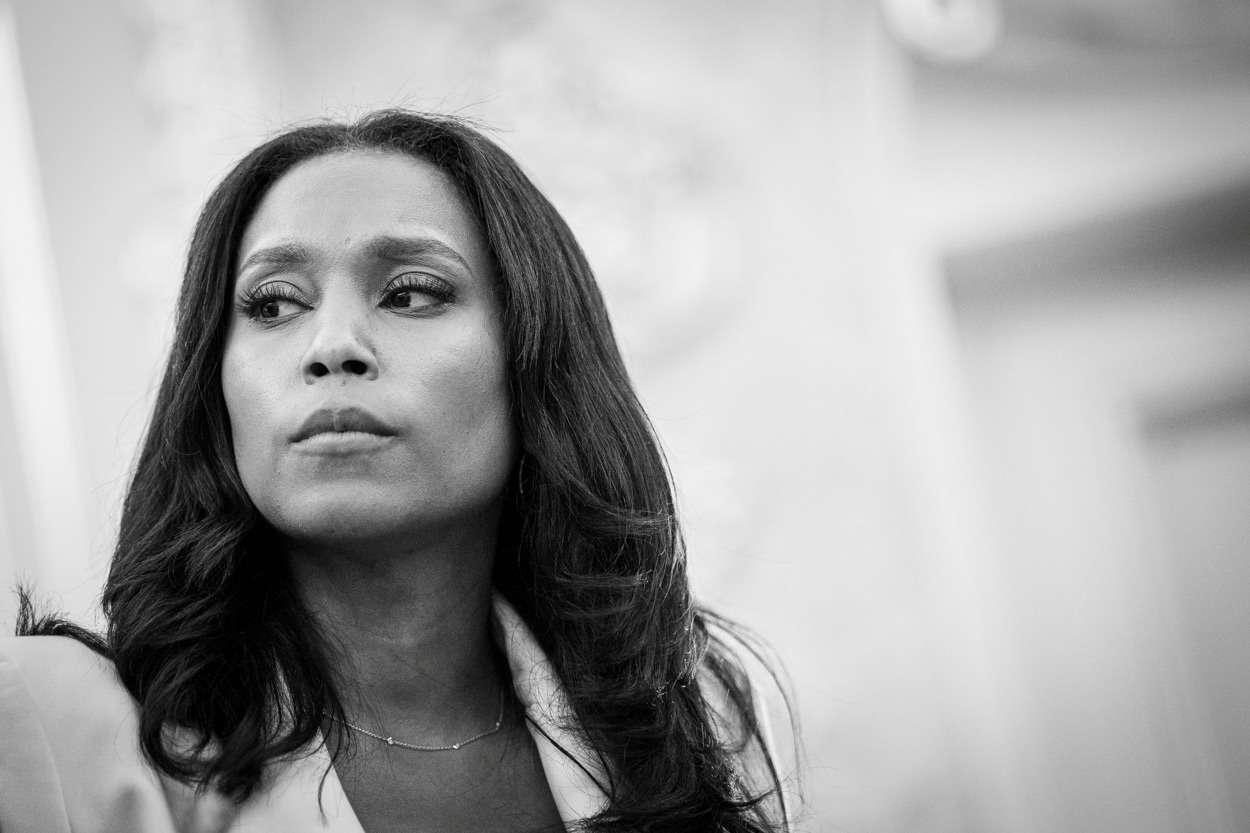
Rachel Scott. Photographer credit to be confirmed.
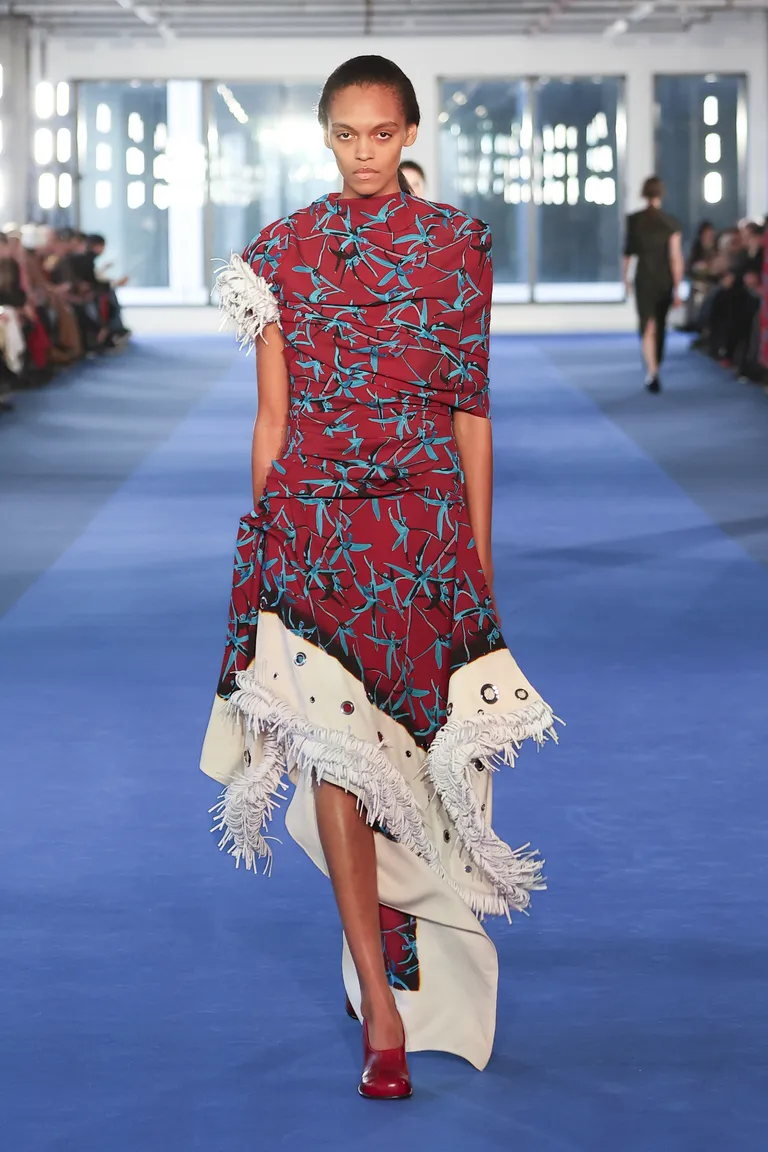
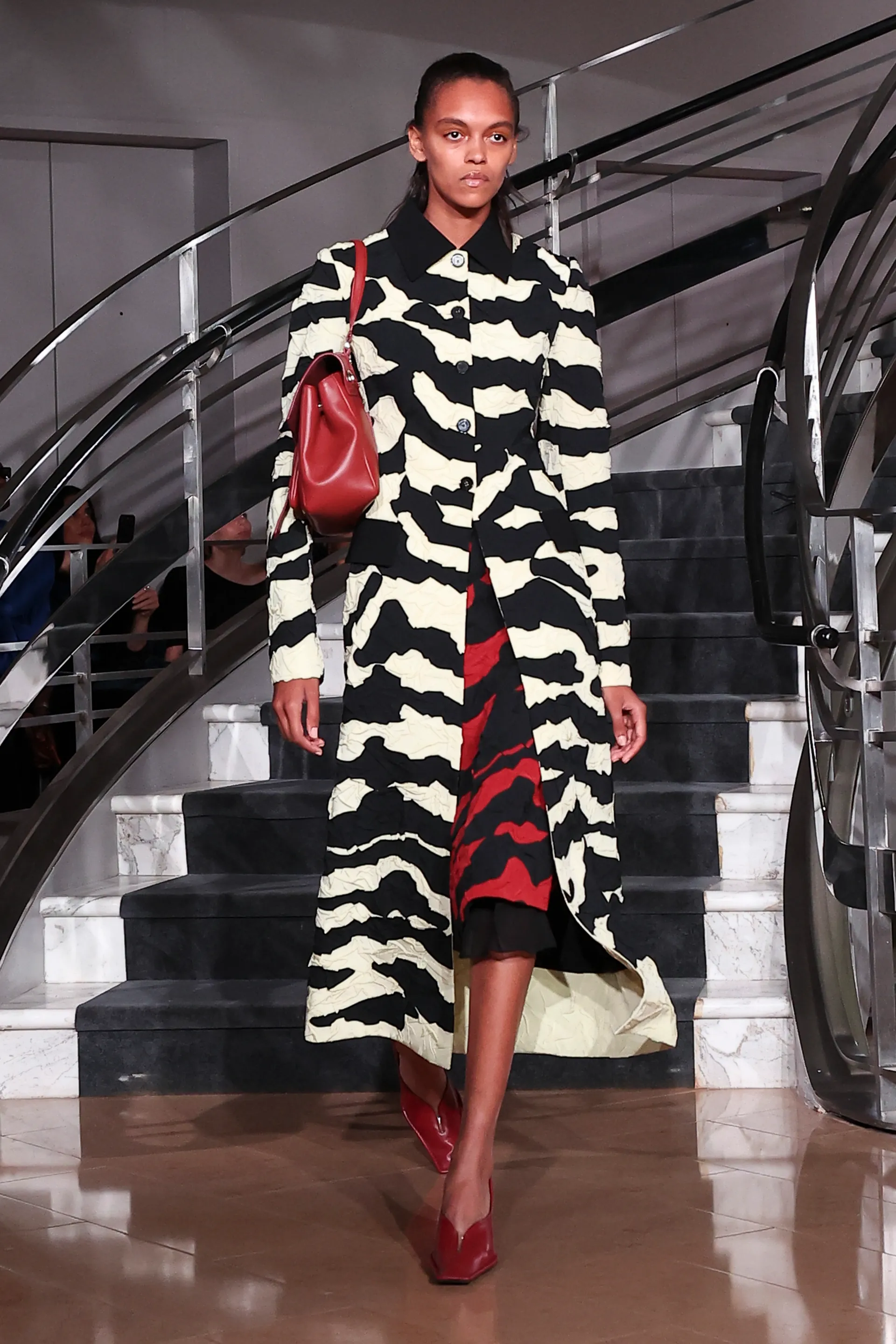
Proenza Schouler Autumn/Winter 2026 and Spring/Summer 2027. Images: Proenza Schouler; individual photographer credits to be confirmed.
Representation, Creative Authority and the Question of Change
The significance of these appointments extends beyond the individual designers. Luxury fashion has long drawn inspiration from cultures and communities around the world, while the leadership of many of its largest houses has remained comparatively narrow.
The visibility of Black models in campaigns and on runways is one measure of representation. Creative leadership is another. A creative director influences the direction of collections, the visual identity of a house and the wider cultural references through which a brand communicates with its audience.
Rose, Wales Bonner and Scott bring different perspectives to these responsibilities. Their work reflects distinct relationships with British street culture, Black cultural history and Caribbean craftsmanship. None can be reduced to a single shared design aesthetic, and their appointments should not be treated as interchangeable.
There are also differences in the roles themselves. Rose is taking responsibility for Balenciaga’s overall creative direction, Wales Bonner leads a specific division of Hermès, and Scott oversees the creative direction of Proenza Schouler. Their access to resources, responsibilities and commercial expectations will reflect those different structures.
Being appointed creative director does not necessarily mean owning the business or controlling every decision that affects it. Luxury fashion houses operate within larger commercial organisations where senior executives, investors and management teams influence budgets, production, retail strategy and long-term priorities.
That distinction is particularly relevant when discussing whether representation at the top of the design hierarchy creates wider opportunities. A high-profile appointment can increase visibility, but lasting change also depends on access to investment, the development of emerging talent and opportunities for designers to build sustainable businesses of their own.
Scott’s work through Diotima demonstrates another dimension of that conversation. By incorporating Jamaican artisans directly into the production of her collections, she has established a business model in which cultural knowledge and craft are connected to the people who practise them.
Wales Bonner has similarly built an independent label with a recognisable creative identity, while Rose’s longstanding business has developed an influential position across fashion and contemporary culture. Their achievements preceded their appointments to major luxury houses.
This is an important distinction. The fashion industry is not simply discovering new talent. It is recognising designers whose work has already shaped conversations about luxury, craftsmanship and cultural identity.
There are reasons to view the appointments as meaningful developments. Three designers who built their reputations outside traditional luxury-house structures now hold positions capable of influencing the next phase of established brands.
The influence of a creative director can also be seen through the way collections establish new silhouettes, proportions and styling ideas. STORY’s report on the Spring 2027 exposed bra trend examines how designers at Prada, Khaite, Sandy Liang and other houses approached one recurring styling idea in different ways.
But the appointments alone cannot establish that the industry’s broader inequalities have been resolved. Their long-term significance will depend on what the designers are able to create, the support they receive and whether similar opportunities become available to a wider range of talent.
For now, Rose, Wales Bonner and Scott represent three different approaches to creative leadership at a time when luxury fashion is reconsidering its direction. Their appointments are important milestones, but the more substantial test will be whether the industry can turn these individual successes into lasting structural change.