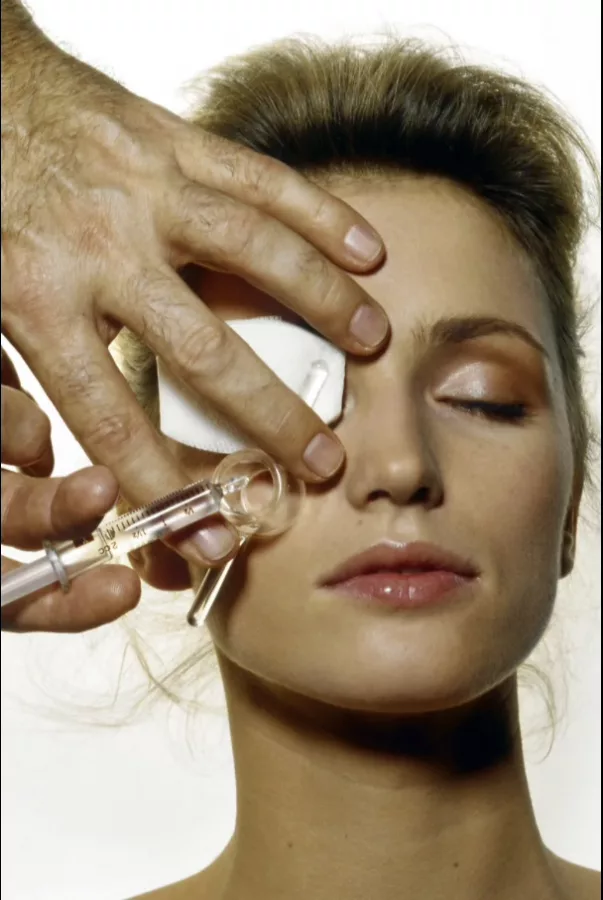
The advancement in facial aesthetics has grown exponentially in recent years. It seems as though every day a new clinic is offering enhancement services; Botox, fillers, lasering services etc. Most of us are aware of Botox and Dermal fillers and their purposes, right? Botox is a purified protein that is injected into specific muscles, usually around the facial area, that “paralyses” the muscle, it is used to smooth fine lines and wrinkles. Dermal filler isn’t quite the same but is used for the same reasons, it is a gel-like substance that adds volume to the face and lips whilst also smoothing out lines and wrinkles. Both practices provide temporary results and can last anywhere from 3-18 months, with top up services advised during this window. Botox and filler have become increasingly popular with the rise of social media; some practitioners are posting videos of their practices highlighting the effects of these services. Some of our favourite celebrities and influencers have also been documenting the work they’re done over the years, it’s no wonder there’s been a rise in people heading to the salon for their own enhancements, but what about those that don’t want a needle in the face? Well, you’re in luck, anti wrinkle patches are here to stay.
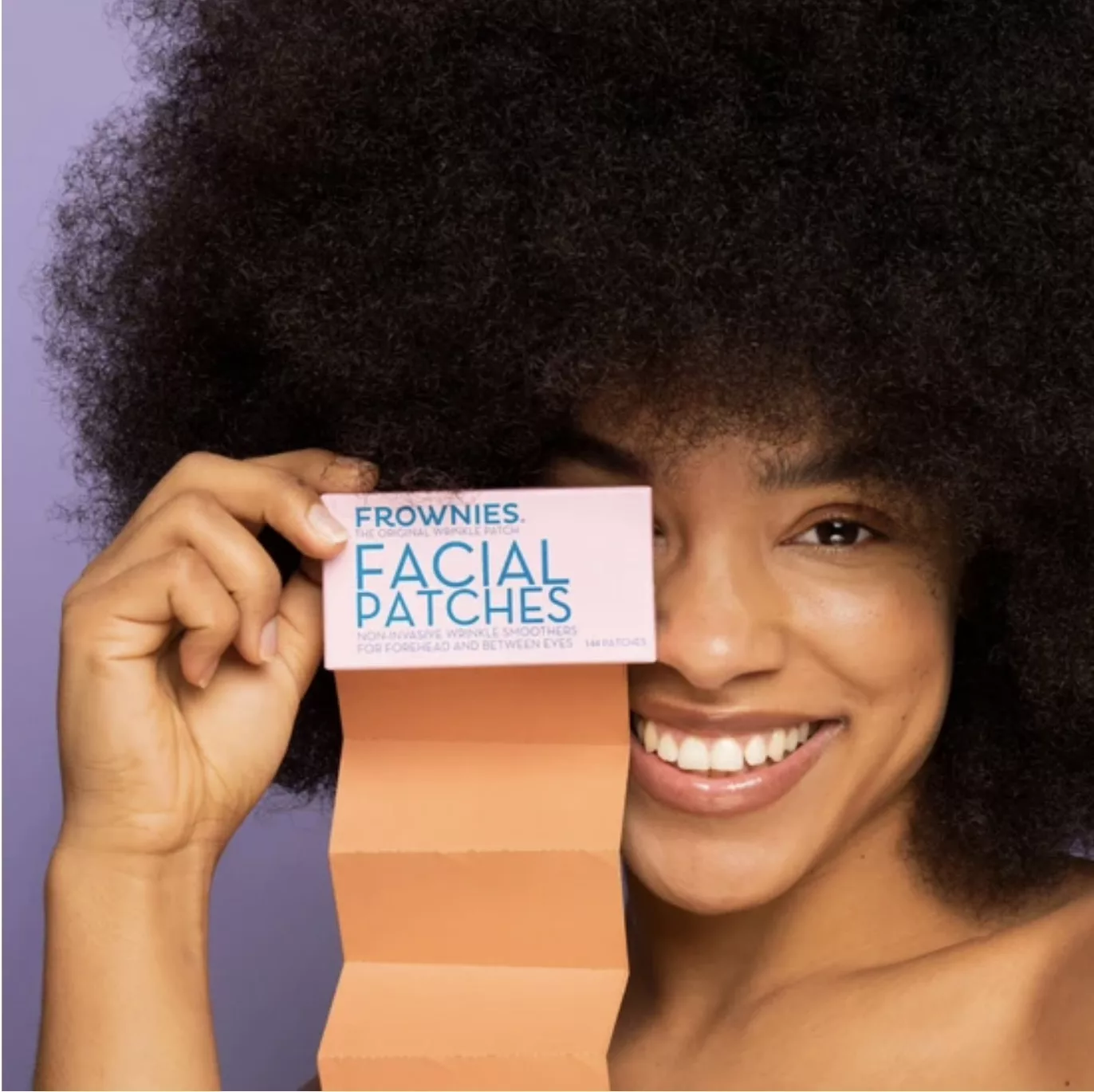
What are anti-wrinkle patches you ask, well they are adhesive strips that are applied to the skin with the purpose of smoothing fine lines and wrinkles. These patches work by restricting muscle movement but without the needle, they are made with active ingredients such as hyaluronic acid and retinol which are used to plump, hydrate and smooth the skin. Unlike Botox these patches do not affect the muscle themselves and while yes, these patches only provide temporary results, shorter than both Botox and filler, they are less invasive than the medical practices and accessible to almost everyone. It is important to note that anti-wrinkle patches are not a replacement for a good skincare routine or professional treatments, but they can be a great addition.
There are several types of patches that target different areas and provide different results.
Silicone patches
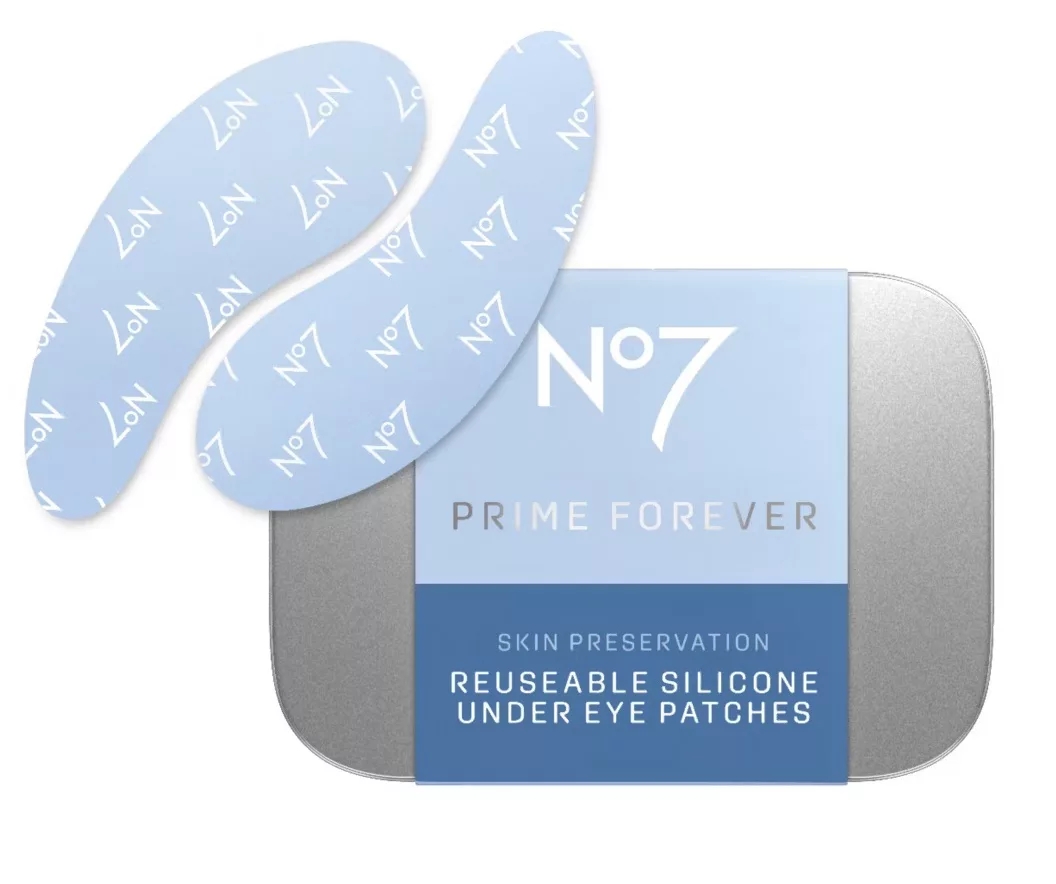
Silicone patches use medical-grade silicone to create a barrier for the skin; the silicone is used to keep the skin flattened and “stretched” whilst providing moisture. These are usually worn overnight and can be used under the eyes, on the forehead, and neck. Silicone patches can be reused up to 30 times making them a cost-effective choice, the downside however, is that many don’t contain active ingredients like retinol or hyaluronic acid.
Hydrogel patches
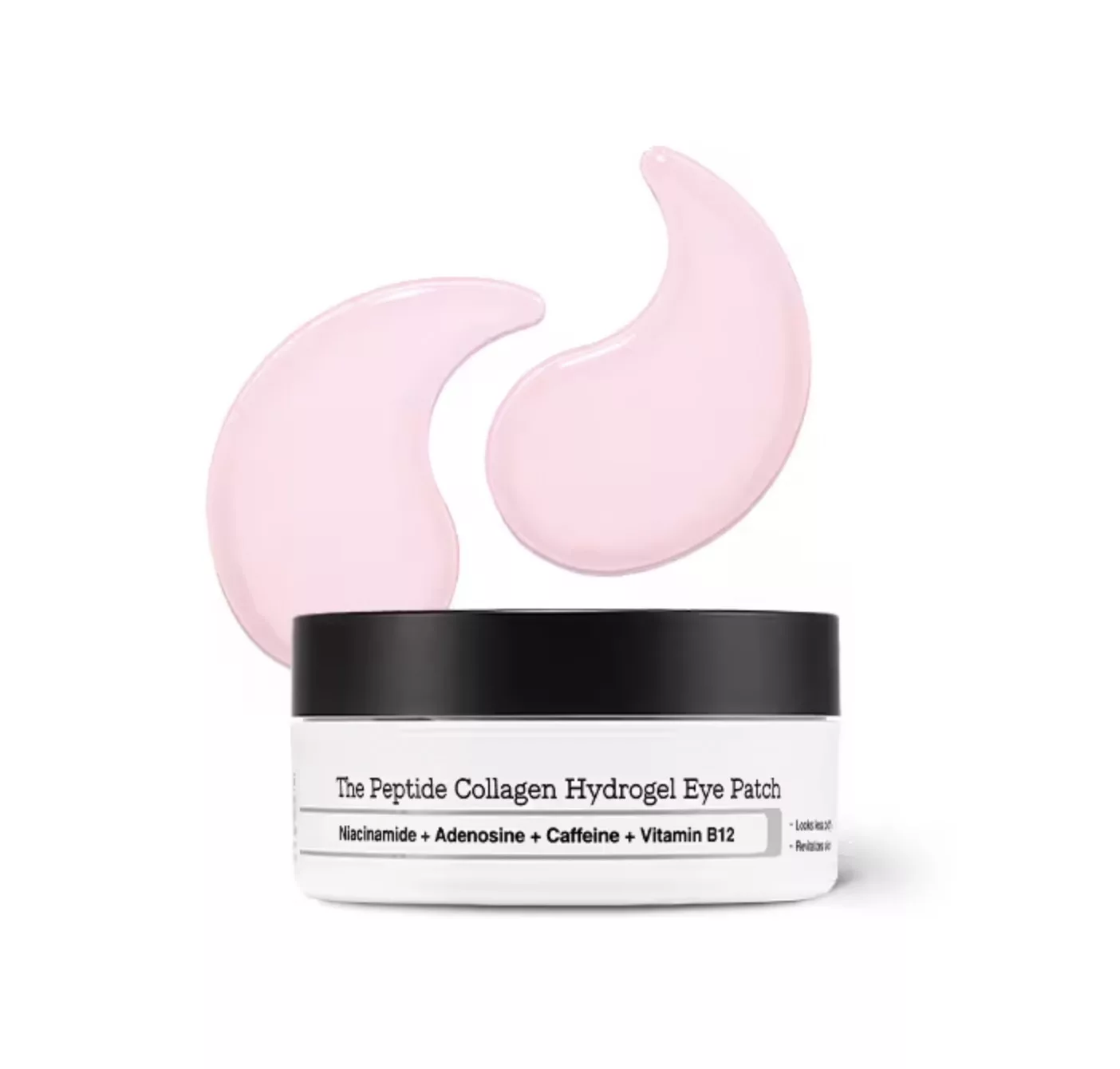
Hydrogel patches are often a very common and popular choice. Used primarily for the under eyes, these patches contain hydrating ingredients and are great for reducing puffiness and the initial visibility of lines. You should consider that these are often single-use, and primarily focus on improving hydration instead of lines, the effects also only last for a few hours.
Microneedle patches
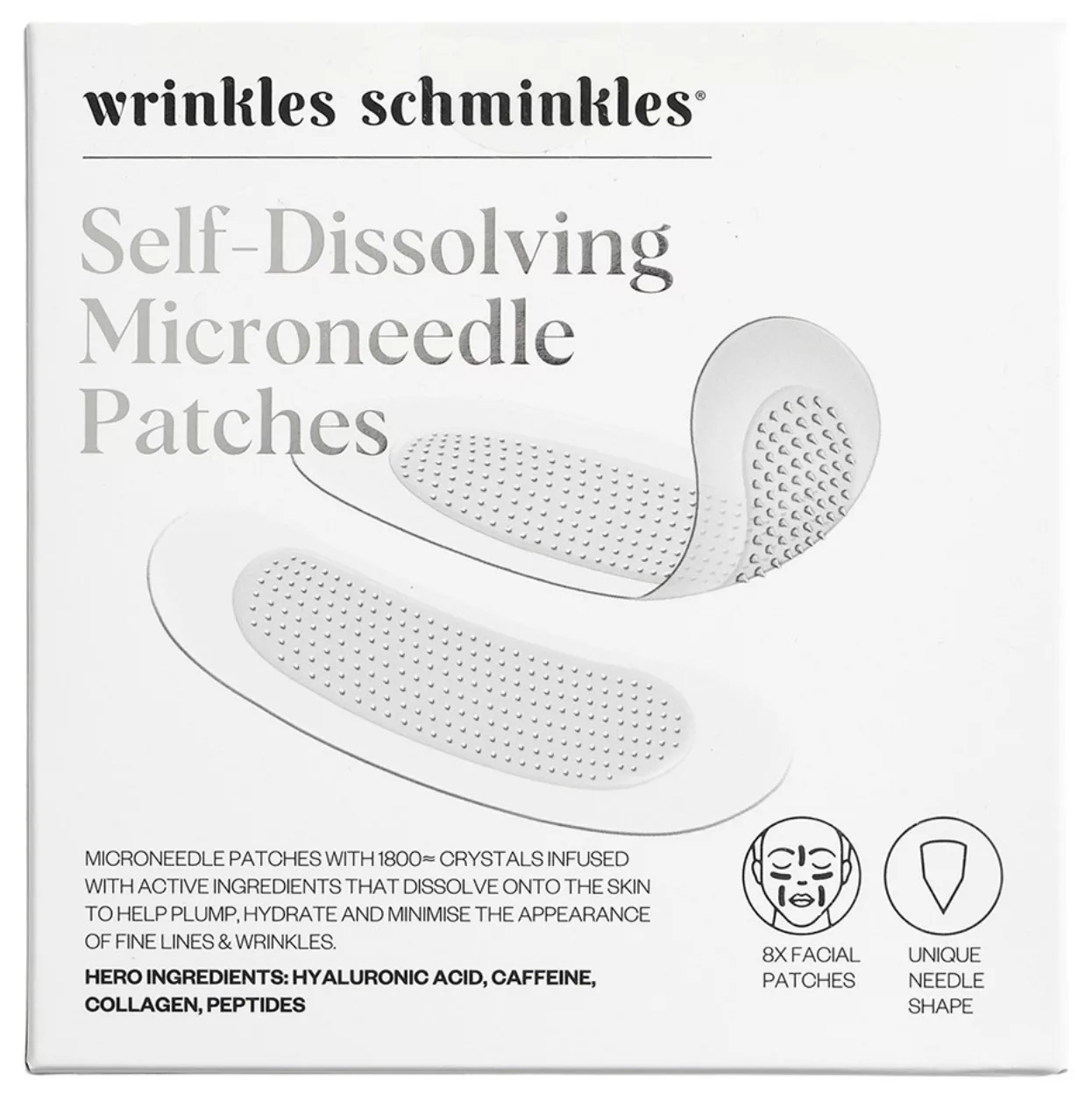
Microneedle patches are made using microscopic cones, resembling the needles used in medical services, that deliver hydrating products like peptides to the skin. They work by dissolving into the upper layers of skin for better product penetration. The good thing about these patches is that results often appear immediately and the strength of the ingredients is greater than other patches. However, some can experience irritation when using these patches as there is often a tingling sensation when applied, they are single-use and the most expensive type of patch. Microneedle patches are best used under the eyes and around the mouth but be sure to not get any products in your eyes!
Muscle-training patches
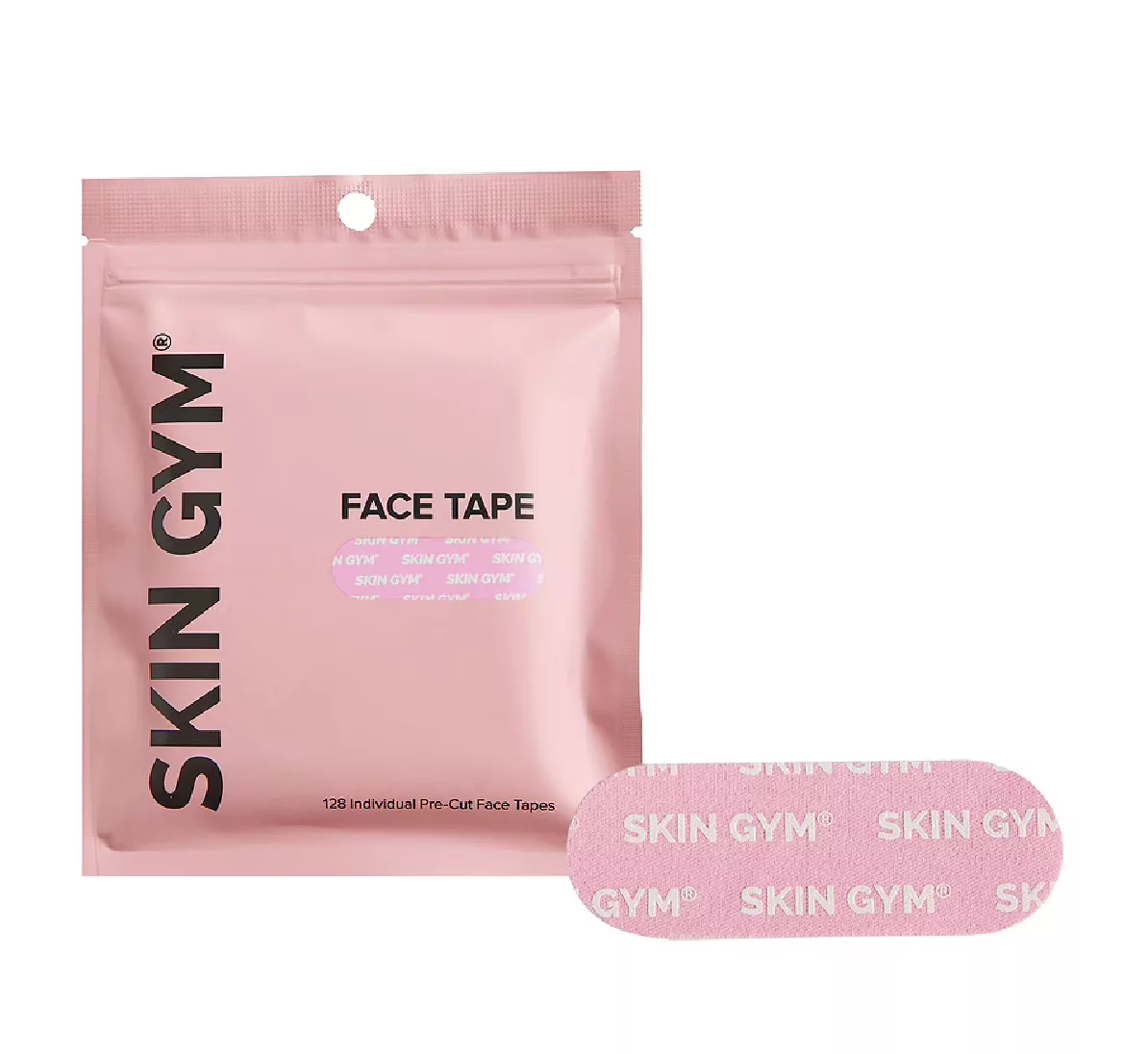
Muscle-training patches are adhesive strips that are typically worn overnight to prevent sleepers from frowning or raising their eyebrows. They help reduce expression lines and for the most part are inexpensive and held by a wide range of stores and online retailers. The downside is that they can feel very restrictive and uncomfortable when sleeping. This type of patch and practice is relatively new and the evidence of long-term benefits is limited, however if you frown or raise your eyebrows a lot this may be your best option.
What are the pros and cons of anti-wrinkle patches?
Pros:
● Cost-effective – Depending on the quality of the patch they can start at as little as £4 from budget retailers and Amazon. Premium patches start inthe £20-£30 range with some exceeding £100 which compared to Botox and filler services which can range from £180-£350 and even higher depending on location and the practitioner.
● Accessible – Alongside brands own online stores, you can find anti-wrinkle patches in almost any health and beauty retailer or supermarket, with online retailers like Amazon also holding these products.
● Pain free – For the most part these patches are pain free with no physical skin penetration, however like any product it is best to check the ingredients to prevent allergic reactions or irritation.
● Long term use – Unlike Botox and filler where you must wait a minimum of 2 weeks for top-up appointments, anti-wrinkle patches can be used as frequently as you feel necessary, in line with the manufacturer’s guidelines.
● Environmental sustainability – Certain patches are reusable up to 30 times which isn’t just cost effective but helps reduce waste and pollution compared to single-use products. Win win.
Cons:
● Temporary results – Unlike Botox and filler which can have results that last up to 18 months, anti-wrinkle patches only last for a few hours or as long as it takes for the hydration to subside. The patches are best used before going out for a quick fix, or consistently alongside a good skincare routine and products such as retinoids, SPF, Vitamin C, and other hydrating formulas for long lasting skin improvements.
● Not a solution – If you’re looking for a product that treats an underlying or “permanent” condition such as crows feet or deep wrinkles these are not the solution.
● Skin irritation – In some instances these patches can cause slight skin irritation from prolonged use. The adhesive within the patch can irritate the skin especially for those who have skin conditions like Eczema or Rosacea.
So, are anti-wrinkle patches for you? Well, that depends on your goals. If you’re looking for a product that will provide you with long term results and can pay for these results, then Botox and filler may be a suitable option. However, if you’re not too keen on the idea of needles or don’t want to risk the potential side effects then anti-wrinkle patches are a great alternative. As with anything it is best to do your research, for Botox and filler it is imperative that you look for qualified practitioners and top-rated clinics for these medical services. For anti-wrinkle patches I’d suggest looking into the ingredients to reduce the likelihood of allergic reactions and irritation, it’s also a good idea to read reviews and choose a product that is one In your budget, and two provides the best results.
Below is a list of the best rated anti-wrinkle patches that are cost effective and provide the best results.
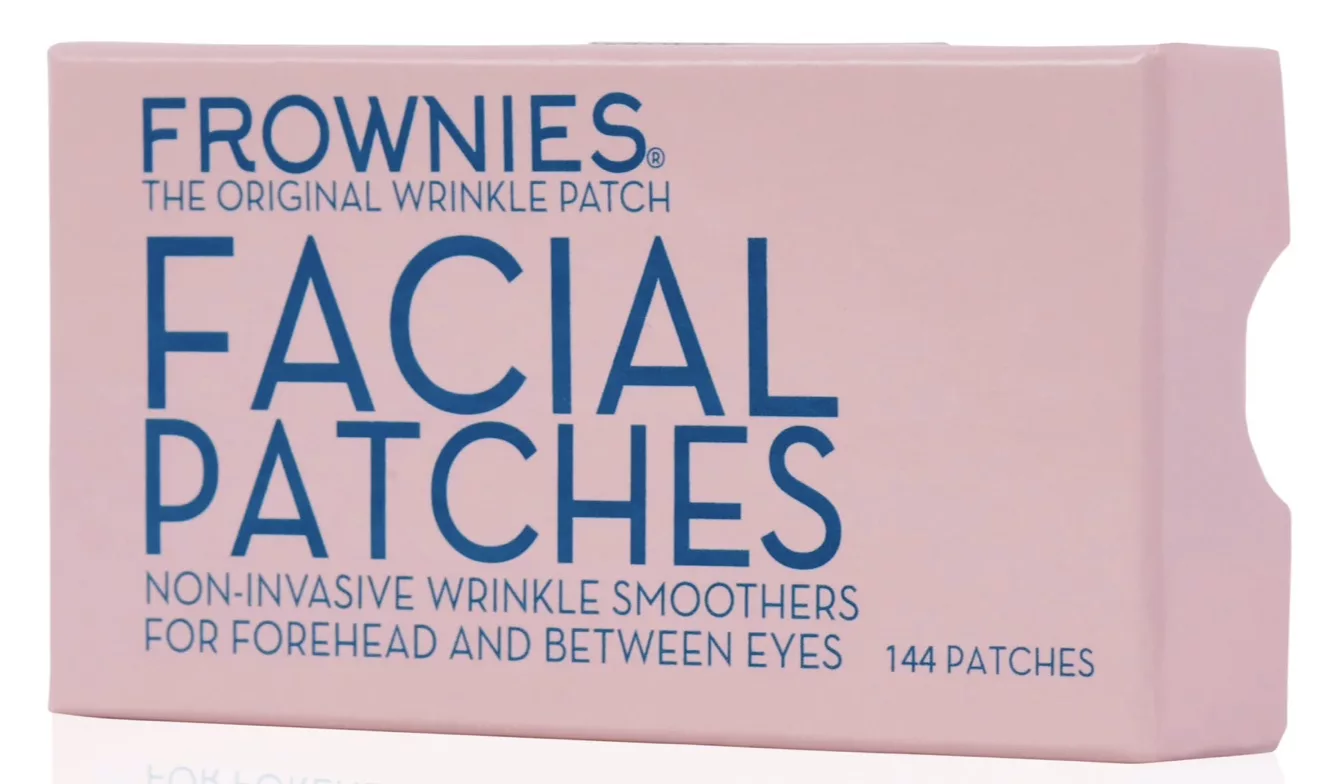
Frownies Facial Patches – £28.95
SHOP HERE
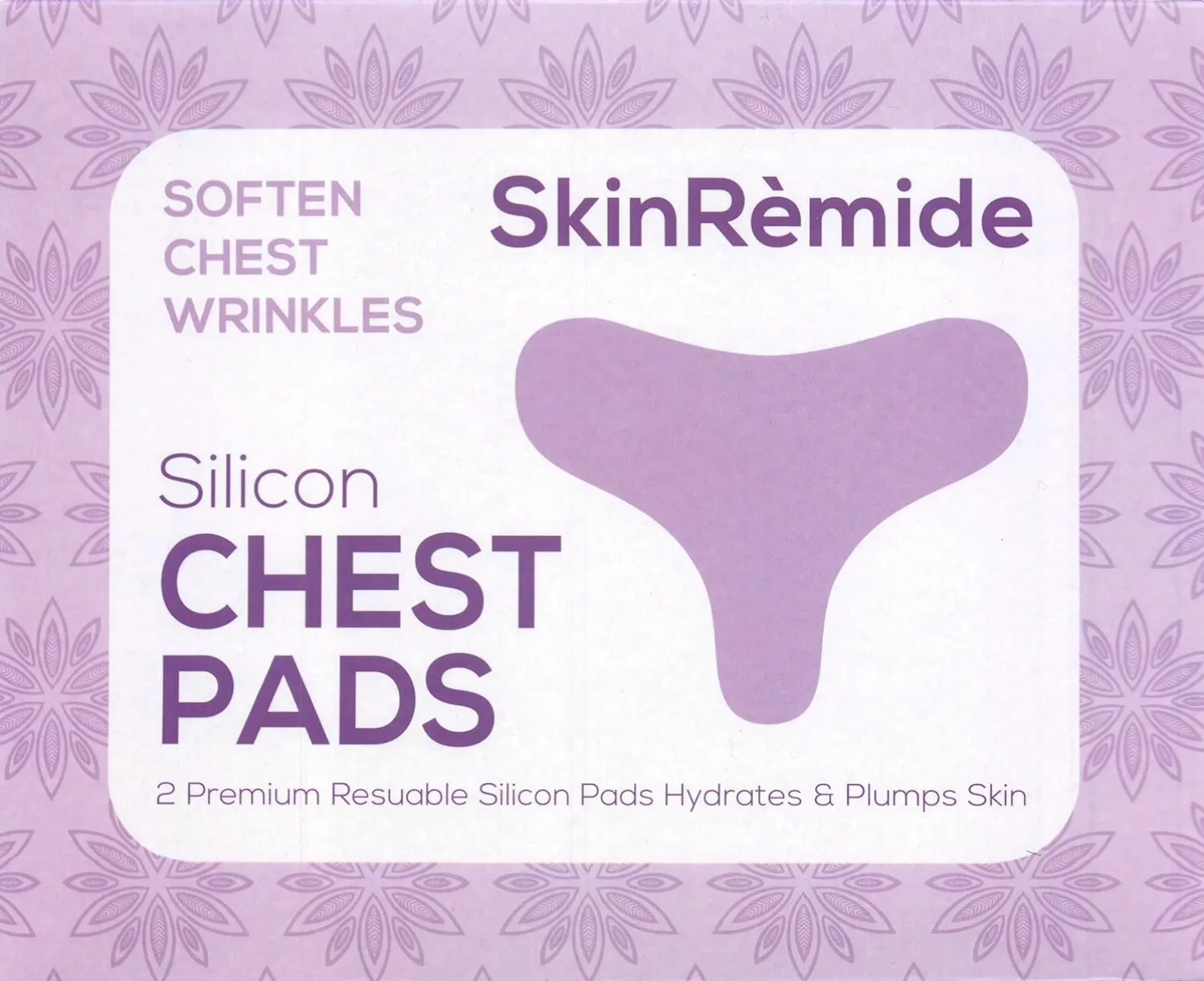
SkinRèmide Silicon Chest Pads – £18.95
SHOP HERE
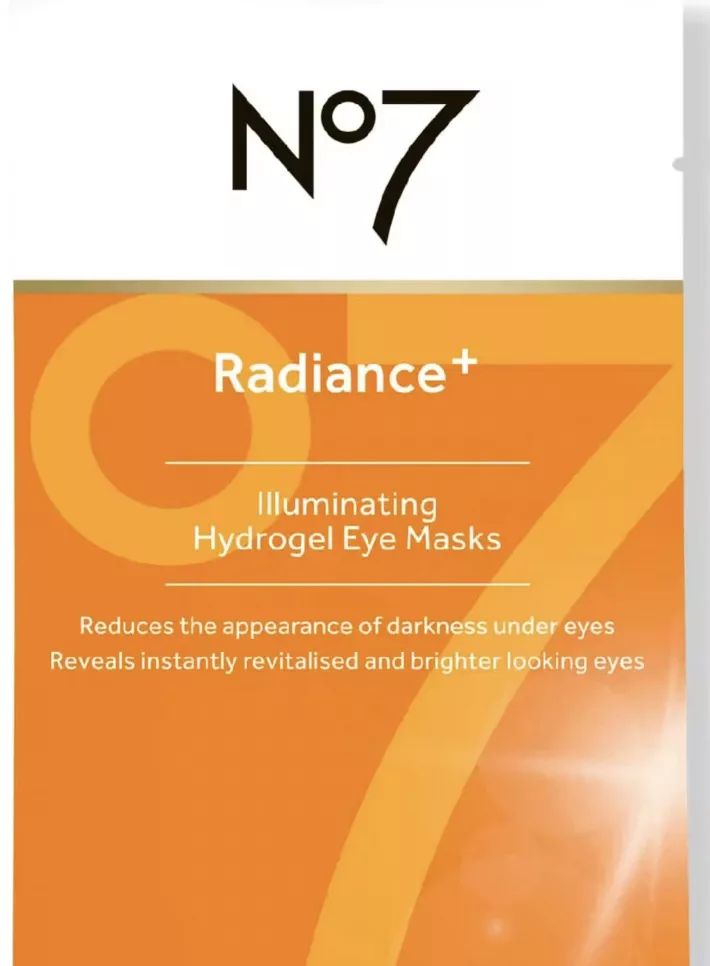
No7 Radiance+ Hydrogel Eye Mask – £14.95
SHOP HERE
Wrinkles schminkles Self-dissolving Microneedle Patches – £55