
London’s September design shows offered an early look at the ideas shaping interiors beyond 2026, with stronger pattern, tactile materials, aged finishes and craftsmanship appearing across new collections.
London Design Festival returned from 12 to 20 September, bringing exhibitions, installations and new collections to design districts across the capital. At the same time, Focus/26 at Design Centre, Chelsea Harbour brought together more than 700 brands across its showrooms and temporary displays.
Across the two events, pattern, tactile surfaces, craftsmanship and aged finishes appeared repeatedly in new collections.

Pattern and texture are taking over
Pattern was difficult to miss at Focus/26. Flamestitch, the distinctive zigzag textile pattern, appeared across new collections, while florals and botanical designs brought more colour and decoration to fabrics and wallcoverings.
The significance is less about one particular print becoming the next dominant motif and more about patterned surfaces taking a larger role in the room. These collections put decoration firmly in view rather than limiting it to smaller accessories.
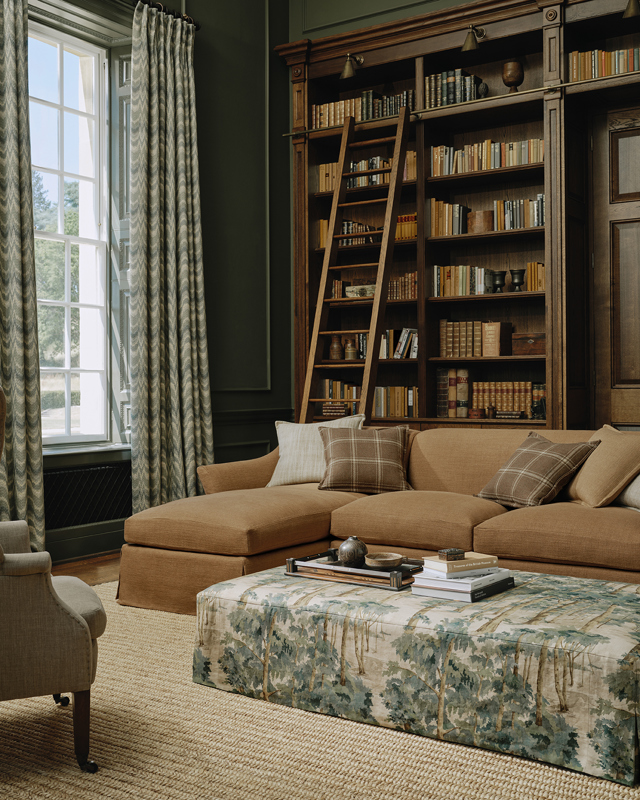
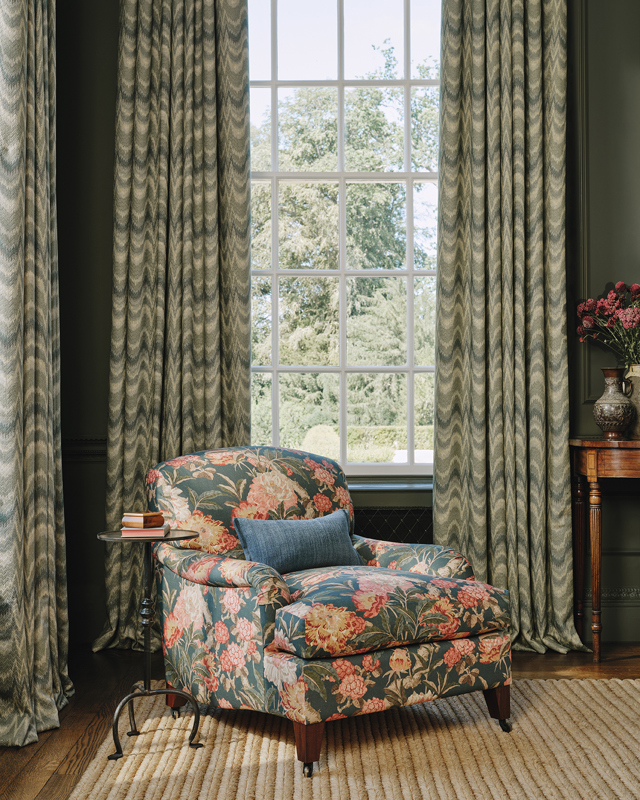
Images: Colefax & Fowler
Texture was equally prominent. Fringing, raised surfaces, irregular finishes and tactile fabrics gave upholstery and textiles a more noticeable physical presence. Across London Design Festival, designers also worked with wood, ceramics, textiles and paper in ways that made the materials themselves part of the finished design.
Metallic finishes followed the same direction. Focus/26 highlighted aged gold, silver and bronze rather than highly polished metal. Used alongside patterned textiles, timber and tactile fabrics, these finishes introduce variation rather than creating a perfectly uniform surface.
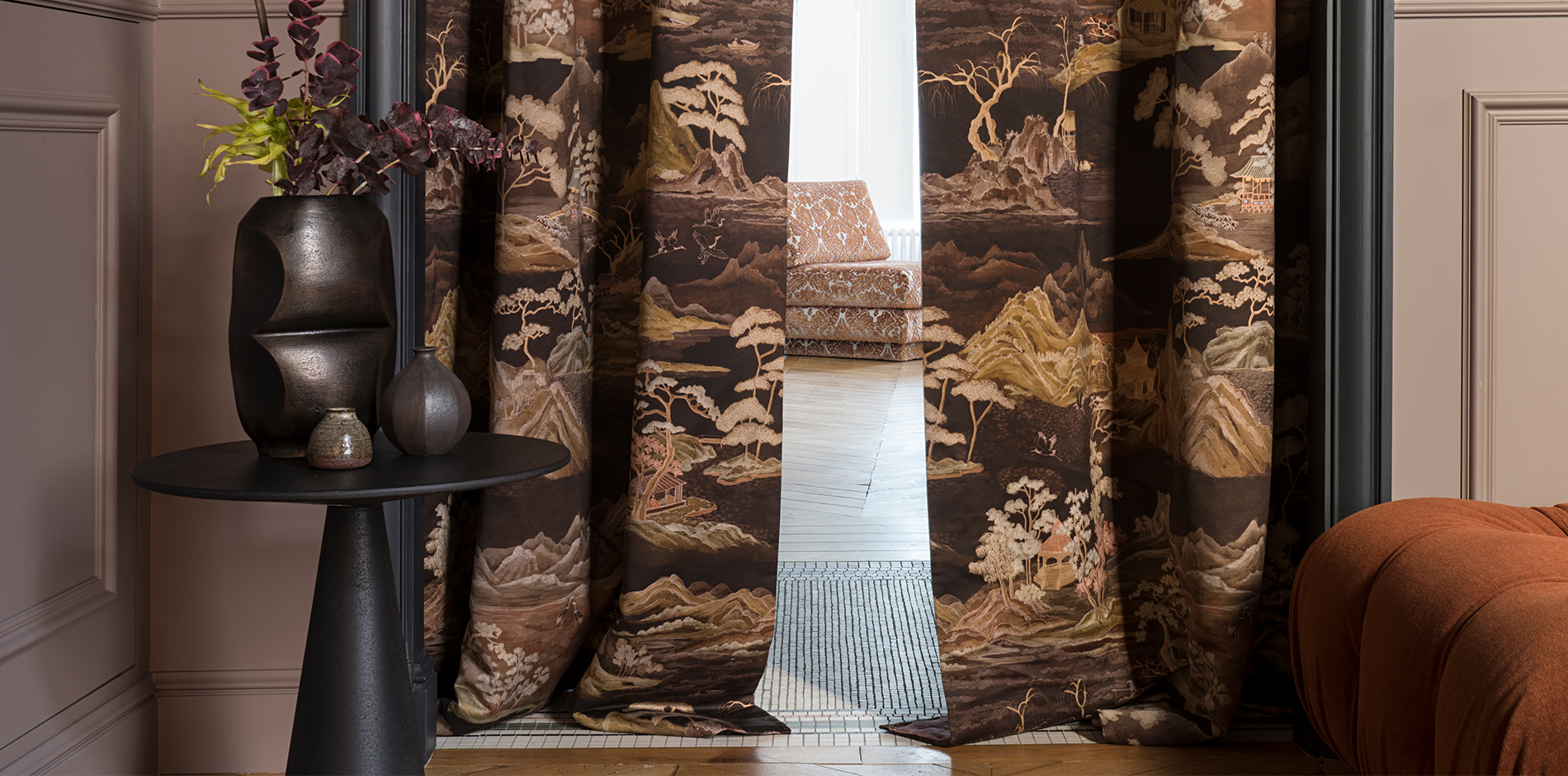
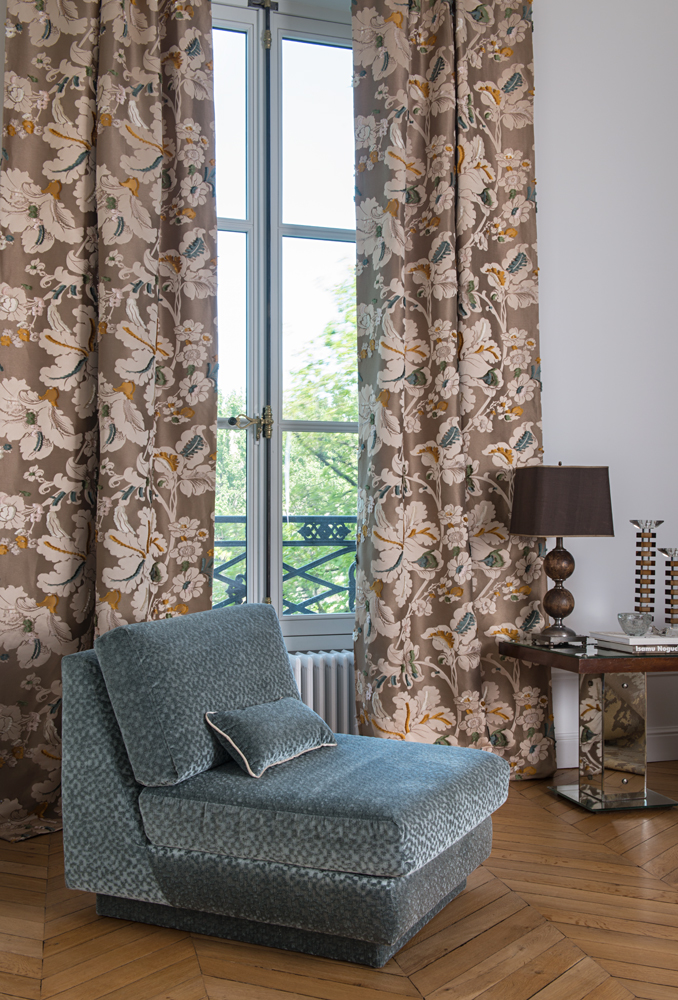
Images: Ardecora
Craft moves back into focus
Craft was another recurring theme across London Design Festival. Brompton Design District’s 2026 programme, titled Perfectly Imperfect, concentrated on craft, experimentation and the relationship people form with objects.
Traditional processes also appeared alongside contemporary design. At the V&A, the Craft x Tech Tokai Project brought Japanese ceramics, washi paper, lacquer, textiles and woodworking together with international designers, showing how established techniques can be used in contemporary objects.

Elsewhere, the process of making was deliberately left visible. British designer Byron Pritchard worked by hand with sycamore, responding to the material as each piece developed rather than beginning with a completely fixed final form. Across the festival, ceramics, wood and textiles similarly showed variations that were part of the design rather than imperfections to disguise.
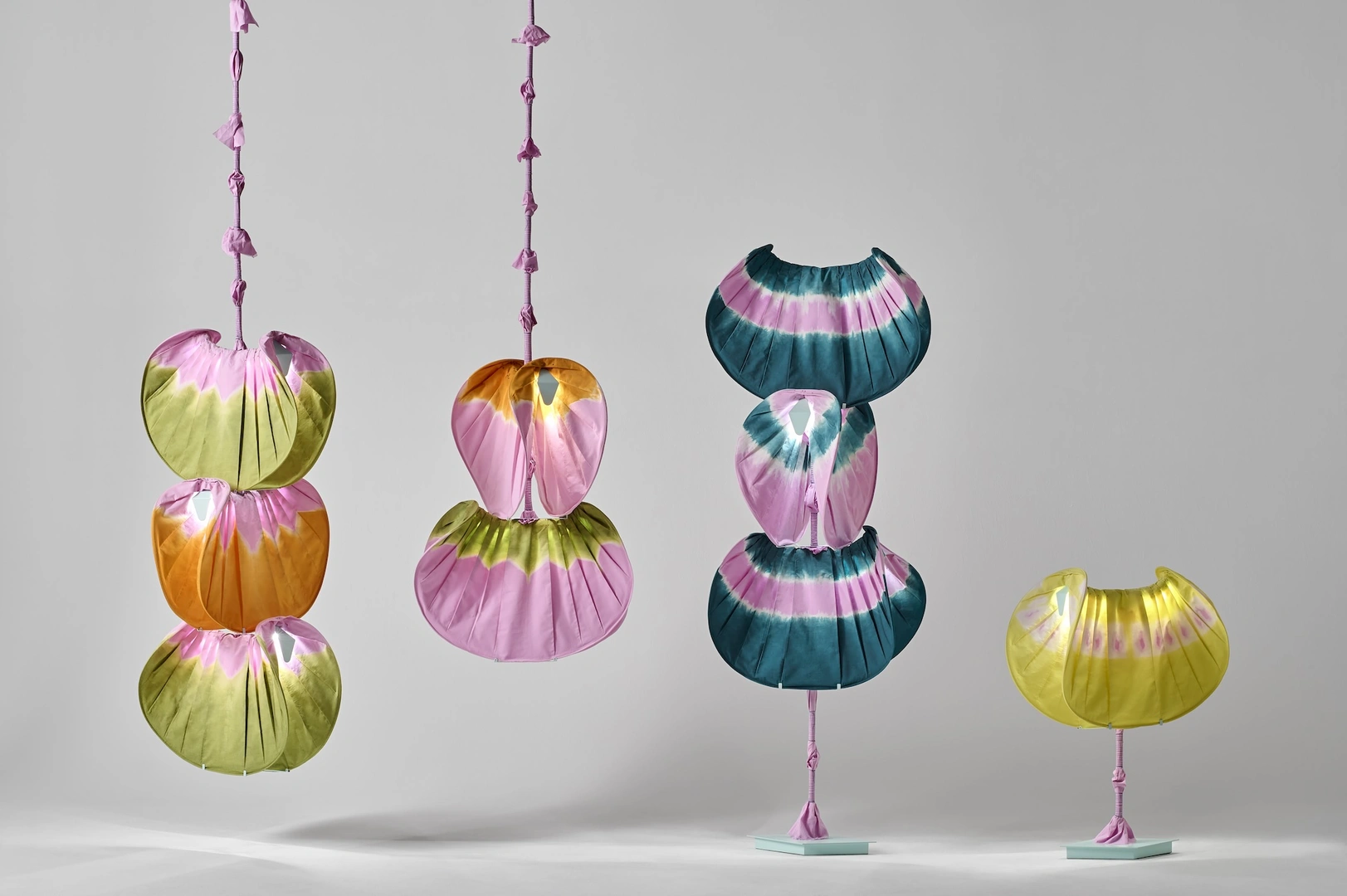
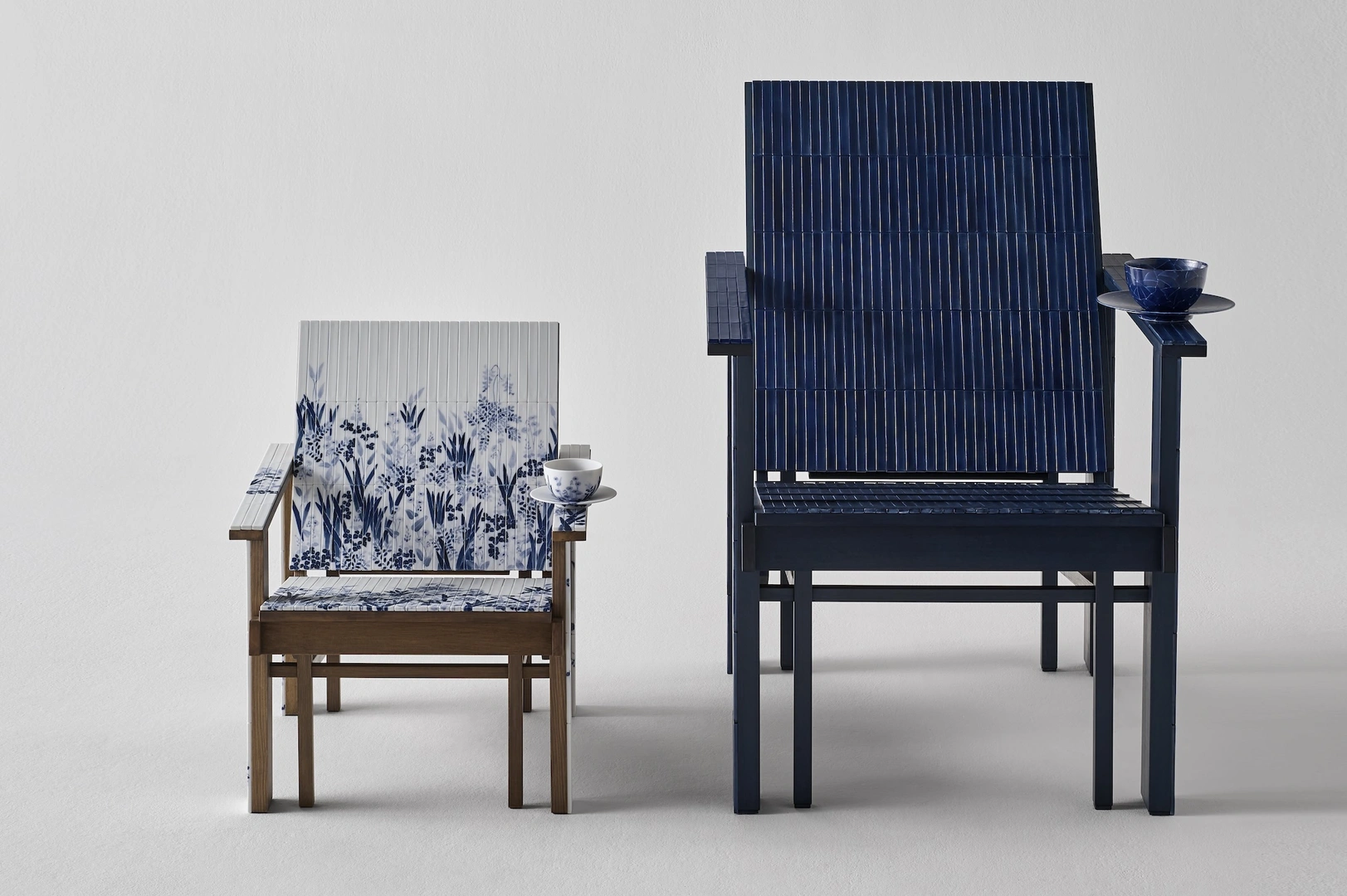
Images: Craft x Tech Tokai Project / London Design Festival
Not every development was decorative. Portable lighting was another noticeable direction at Focus/26, with rechargeable lamps designed to move between tables, shelves and different rooms. Designs from brands including Porta Romana and Original BTC showed how cordless lighting is becoming part of everyday interiors rather than being treated primarily as an outdoor or occasional solution.

Taken together, the September shows point towards interiors with more character and material contrast. Pattern, texture, aged finishes and craft all contribute to a less uniform approach to decorating, continuing the shift towards more individual homes explored in Story’s interior design trends.