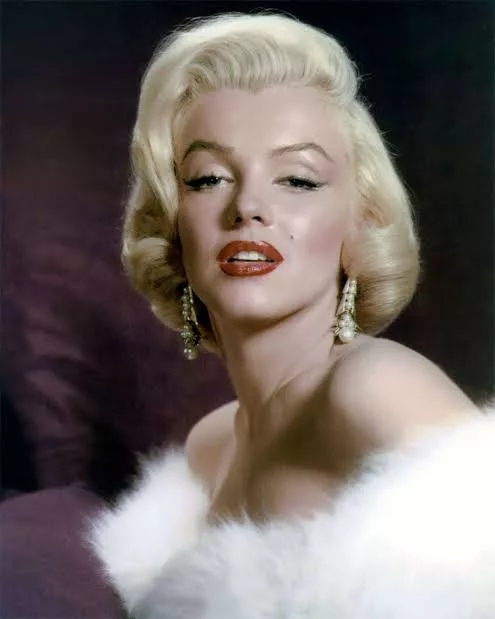
Had she lived, Marilyn Monroe would have turned 100 this year. More than six decades after her death, she remains one of the most recognisable women in modern history, a cultural figure whose influence extends far beyond the silver screen. To mark her centenary, London is hosting two major celebrations dedicated to her life and legacy: a special season at the British Film Institute and a landmark exhibition at the National Portrait Gallery.
Together, these events offer an opportunity to look beyond the mythology that has long surrounded Monroe and revisit her legacy as an actress, creative collaborator and enduring style icon.
The British Film Institute’s Marilyn Monroe Centenary Season revisits her remarkable career through screenings, discussions and special presentations.
Audiences will have the chance to rediscover some of her most celebrated films, including Gentlemen Prefer Blondes, How to Marry a Millionaire, Some Like It Hot and The Seven Year Itch, while a nationwide re-release of The Misfits shines a spotlight on what many consider one of Monroe’s finest performances.
Rather than focusing solely on her public image, the programme encourages audiences to revisit Monroe’s work and appreciate the comic timing, charisma and emotional depth that made her one of Hollywood’s most memorable stars.
Meanwhile, the National Portrait Gallery’s exhibition, Marilyn Monroe: A Portrait, explores the woman behind the image.
Bringing together photography, portraiture and personal artefacts, it examines how Monroe became one of the most photographed women of the twentieth century and why her image continues to resonate today.
Featuring works by renowned photographers including Richard Avedon, Cecil Beaton, Eve Arnold, Milton Greene and André de Dienes, alongside artistic interpretations by figures such as Andy Warhol, the exhibition presents a more nuanced portrait of Monroe. Particularly fascinating is its focus on her role in shaping her own image. Long before the age of social media and personal branding, Monroe understood the power of visual storytelling and actively participated in creating the image that would become one of the most enduring in popular culture.
Yet while both exhibitions celebrate Monroe’s achievements in film and photography, they also arrive at a moment when her influence on fashion feels as relevant as ever.
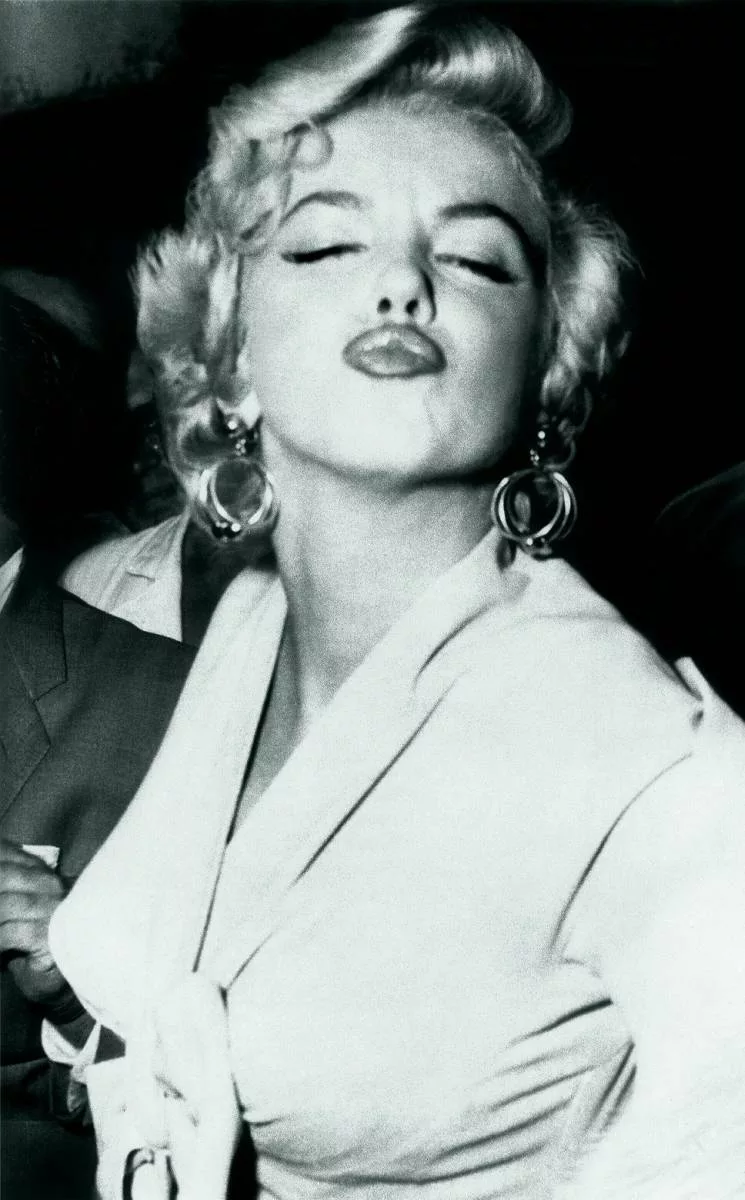
Few women have left such a lasting mark on the way we think about style.
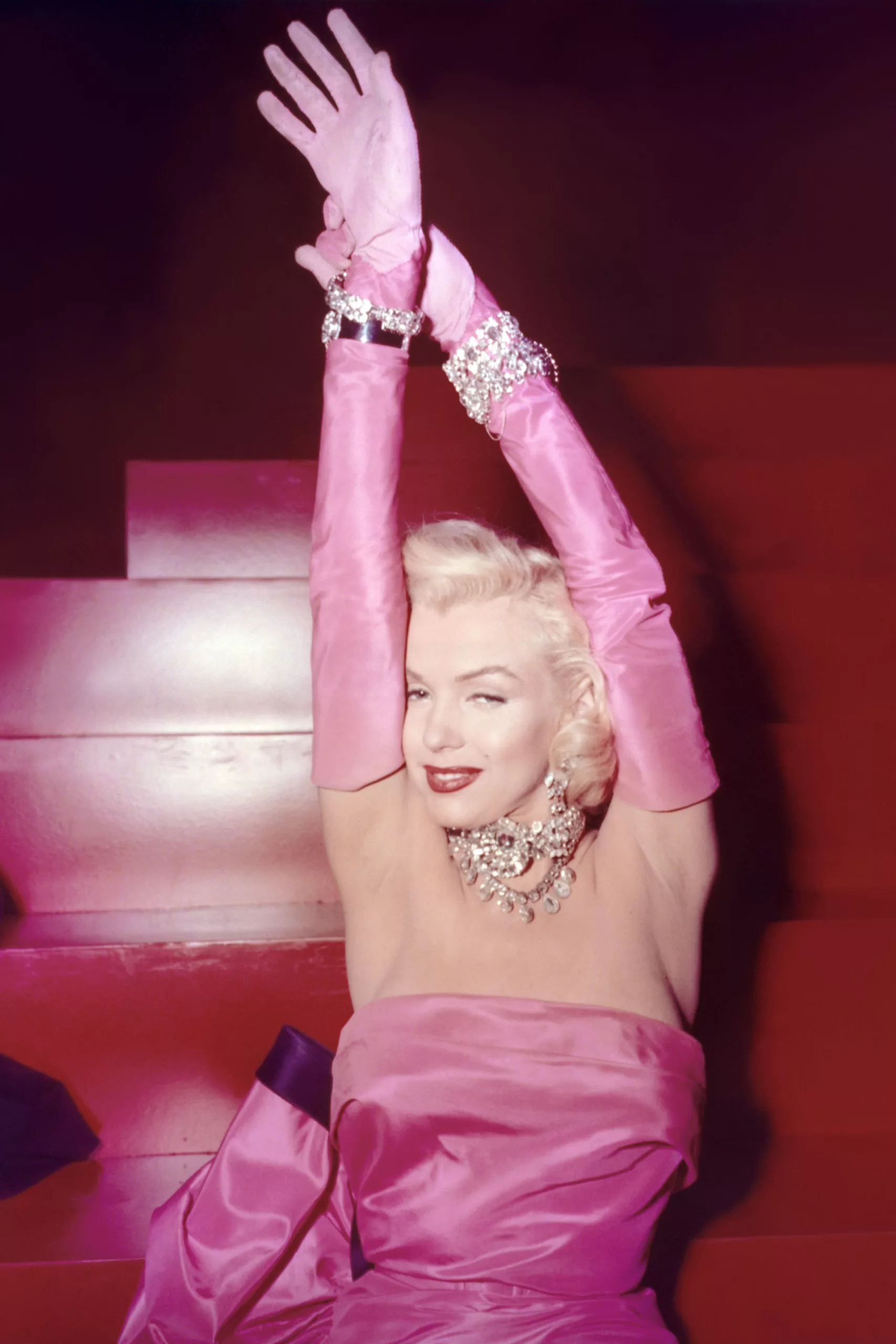
Even those unfamiliar with Monroe’s films can instantly picture some of her most iconic fashion moments. The white halter dress billowing above a New York subway grate in The Seven Year Itch has become one of the defining images of twentieth-century cinema. Equally unforgettable is the vibrant pink satin gown worn during Diamonds Are a Girl’s Best Friend in Gentlemen Prefer Blondes, a look that has inspired countless designers, performers and fashion editorials in the decades since.
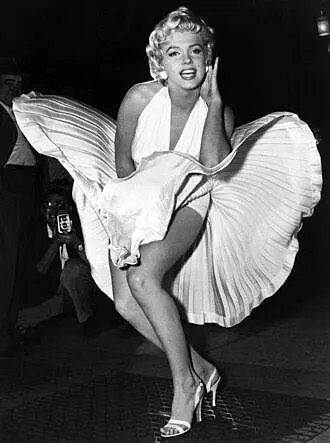
These glamorous costumes helped establish Monroe as the ultimate Hollywood bombshell, but they tell only part of the story.
Away from the spotlight, Monroe’s personal style was remarkably understated. Photographs taken off set reveal a wardrobe built around simple capri trousers, soft cashmere knitwear, fitted turtlenecks, white shirts and classic denim. There was an ease to her dressing that feels surprisingly modern, balancing sophistication with effortlessness in a way that remains aspirational today.
In many respects, Monroe anticipated contemporary fashion long before it became a trend. What we now describe as timeless dressing or quiet luxury was already present in her wardrobe. She understood the value of clean silhouettes, impeccable fit and pieces that felt elegant without appearing overly styled. Her clothes never seemed to wear her; rather, they allowed her personality and confidence to remain the focus.
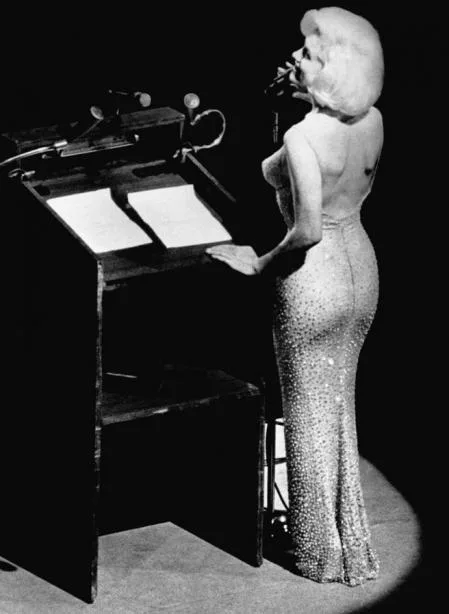
This balance between glamour and simplicity is one of the reasons Monroe’s style continues to resonate. She could embody the fantasy of Old Hollywood in a sequined gown one day and appear completely at ease in a simple sweater and trousers the next. Both versions felt authentic, and together they created a fashion legacy that remains remarkably influential.
Modern runways continue to revisit many of the signatures associated with Monroe’s wardrobe. Slip dresses, halter necklines, pencil silhouettes and soft neutral palettes regularly reappear in contemporary collections, while the allure of classic Hollywood glamour remains a constant source of inspiration. At the same time, Monroe’s off-duty style feels equally relevant in an era increasingly drawn to effortless elegance and investment dressing.
What ultimately makes Monroe’s fashion legacy so enduring is that it was never solely about clothing. It was about image, confidence and self-expression. She understood instinctively that style could be used as a form of storytelling, a way of communicating identity before a single word was spoken. In that sense, her influence reaches far beyond fashion itself.
Viewed together, the BFI season and the National Portrait Gallery exhibition reveal two sides of Marilyn Monroe. One celebrates the actress whose performances captivated audiences around the world, while the other explores the woman who carefully crafted one of the most powerful and recognisable images in modern culture.
A century after her birth, Marilyn Monroe remains far more than a Hollywood icon. She continues to shape conversations around celebrity, beauty and fashion, proving that true style is never simply about what we wear, but about the story we choose to tell through it.
By Jelena Kulic
Jelena is on Instagram.